Inground Pool Cost: What You’ll Actually Pay in 2025
The average inground pool cost in the United States lands between $35,000 and $65,000 for a standard 14-by-28-foot pool, with most homeowners spending roughly $50,000 all in. That number covers a lot of ground, though: a basic vinyl-liner pool can be installed for under $30,000 in some markets, while a custom gunite pool with a spa, tanning ledge, and stone coping routinely crosses $120,000.
The gap comes down to material, size, and what you ask the builder to do. Fiberglass, vinyl, and concrete each carry a different price per square foot, and the site itself can add or subtract thousands depending on soil, access, and local permits. This guide breaks the inground pool cost down line by line so you can budget accurately instead of guessing.
Average Inground Pool Cost
Most quotes you’ll see are built on a per-square-foot basis, and that’s the clearest way to compare one bid against another. Here’s where each material type lands on a typical 400-to-500-square-foot pool.
| Material | Installed cost (typical) | Cost per sq ft | Lifespan before major work |
|---|---|---|---|
| Vinyl liner | $35,000–$65,000 | $75–$95 | Liner replaced every 8–12 years |
| Fiberglass | $45,000–$85,000 | $90–$110 | 25–30+ years |
| Gunite/concrete | $50,000–$100,000+ | $100–$130 | Resurfaced every 10–15 years |
These are national figures for a standard rectangular or freeform pool without a spa. Add a hot tub, automatic cover, or elaborate decking and the total climbs fast. The single biggest driver is the shell material, so that’s where most of the price difference comes from.
Inground Pool Cost by Type
Vinyl Liner Pools
Vinyl liner pools are the least expensive way to get an inground pool. The shell is a steel, polymer, or concrete wall with a flexible vinyl liner stretched over it. Because the liner is factory-made and relatively quick to install, labor is lower than other methods.
Expect to pay $35,000 to $65,000 installed. The catch is the liner itself: it costs $4,000 to $7,000 to replace every 8 to 12 years, and sharp objects, pets, and poor water chemistry can shorten that window. Latham and Kayden are two of the bigger liner manufacturers, and most builders offer dozens of patterns.
Fiberglass Pools
Fiberglass pools ship to your yard as a single pre-formed shell that a crane drops into an excavated hole. That speed is the appeal: installation often takes two to four weeks versus two to four months for concrete. Major manufacturers include Latham, Leisure Pools, Thursday Pools, San Juan Pools, and Viking Pools.
Installed prices typically run $45,000 to $85,000. The shell is limited to about 16 feet wide because of highway shipping rules, but it’s non-porous, so it needs fewer chemicals and holds temperature better. If a fiberglass pool fits your yard and your budget, it’s usually the lowest-maintenance option. For a deeper comparison, see our guide on fiberglass pool cost vs. concrete.
Gunite and Shotcrete Pools
Gunite and shotcrete are two ways of spraying concrete over a steel rebar frame, and they’re what you choose when you want a custom shape, a beach entry, an attached spa, or a deep diving well. This is the most expensive route — $50,000 to $100,000 and up — but it’s also the only one that can be built to any size or depth you want.
Plan on resurfacing the interior with new plaster, pebble, or tile every 10 to 15 years at a cost of $10,000 to $15,000. We cover the trade-offs in detail in our gunite pool cost vs. fiberglass breakdown.
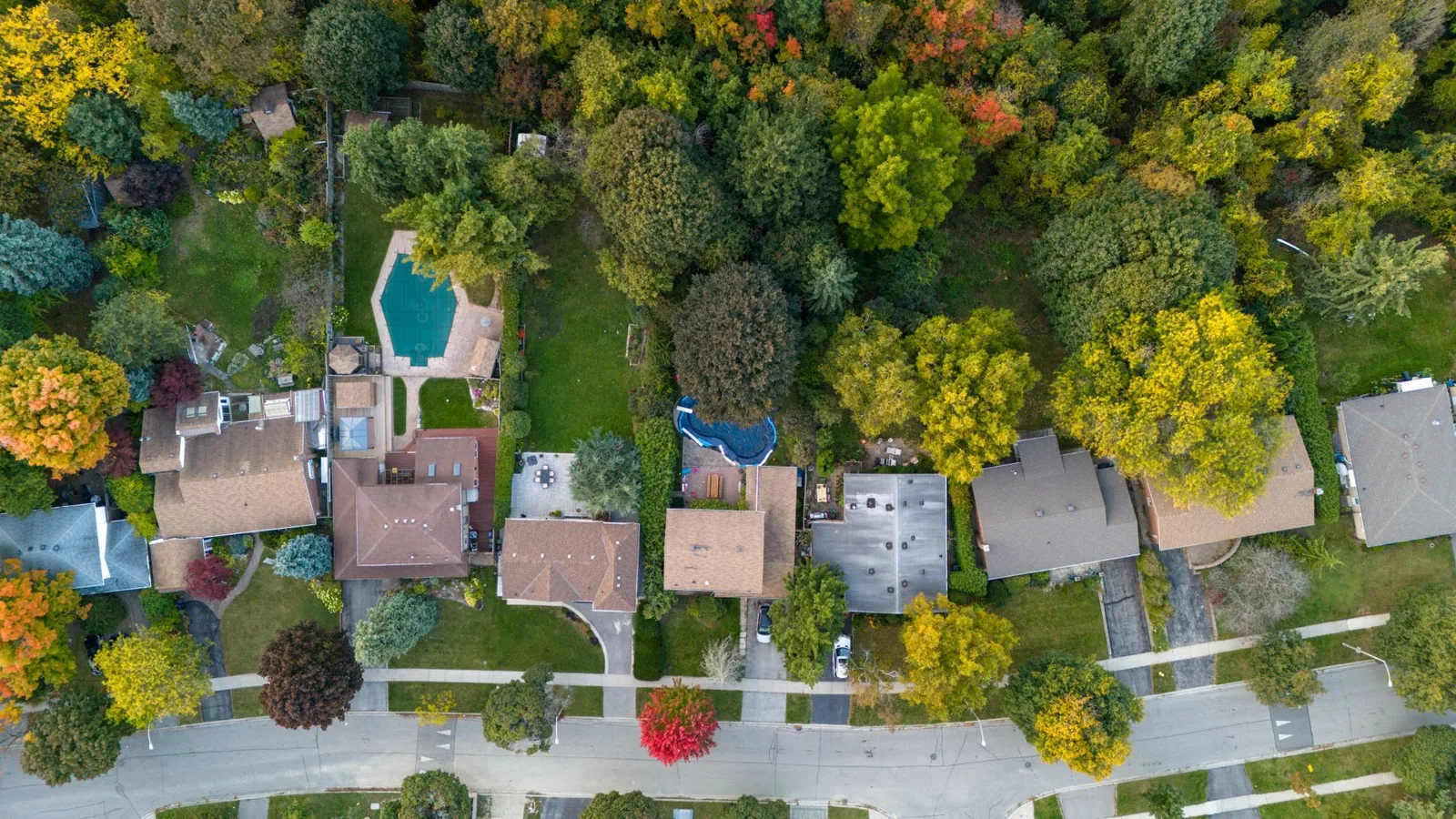
Photo by Aakash Makwana via Pexels
Size, Shape, and Site Factors
A pool’s price rises almost linearly with size because every square foot needs excavation, steel, and finish material. A compact 10-by-20-foot plunge pool might cost $25,000, while a 20-by-40-foot family pool with a deep end easily tops $80,000. Shape matters too: a rectangular pool is cheaper than a freeform or L-shaped one because it wastes less material and goes in faster.
The site itself can be the wild card. Factors that move the number include:
- Soil and rock. Digging through clay adds cost; blasting through ledge rock can add $5,000 to $15,000.
- Access. A tight backyard with no room for a skid steer or crane means hand excavation, which raises labor.
- Water table. A high water table may require dewatering pumps or a deeper gravel base.
- Grading and fill. Sloped lots often need retaining walls, which is exactly the kind of work you’d budget for separately.
- Permits and inspections. Local permits usually run $500 to $2,000 depending on your municipality.
Features and Extras That Add Up
The base shell price is rarely the final bill. Add-ons are where inground pool cost overruns happen, and most homeowners spend $10,000 to $30,000 beyond the shell on the following:
- Decking and coping. Concrete, pavers, or travertine around the pool runs $10 to $50 per square foot.
- Safety fencing. Most towns require a barrier; pool fencing costs $1,500 to $10,000.
- Automatic cover. A motorized safety cover adds $12,000 to $22,000.
- Heater. A gas heater (Pentair MasterTemp, Hayward Universal H-Series) or a heat pump (Hayward Summit, AquaCal) runs $3,000 to $6,000 installed.
- Salt system. A Pentair IntelliChlor or Hayward AquaRite chlorinator adds $1,500 to $2,500.
- Lighting and automation. LED lights and a smartphone controller from Pentair IntelliCenter or Hayward OmniLogic add $2,000 to $6,000.
Photo by The Daphne Lens via Pexels
What You’ll Pay Every Year
The purchase price is only the beginning. Budget for these recurring costs before you sign a contract.
- Chemicals. $600 to $1,200 per year for chlorine, algaecide, balancers, and test kits.
- Electricity. $300 to $600 per year with an efficient variable-speed pump like the Pentair IntelliFlo.
- Water. $30 to $60 per month during swim season in most climates.
- Maintenance service. $80 to $150 per visit if you hire a weekly pool pro rather than doing it yourself.
- Repairs. Plan for pump, filter, and liner repairs as equipment ages.
All in, expect $3,000 to $5,000 per year in ownership costs on a typical residential pool. For a clearer picture of what installation labor actually costs, read our inground pool installation cost guide.
How to Lower Your Inground Pool Cost
You don’t have to spend $100,000 to get a great pool. A few decisions at the start can cut the total by 30% or more.
- Choose vinyl or fiberglass over gunite. Both are significantly cheaper to build and faster to finish.
- Go smaller. A 12-by-24-foot pool swims just fine and costs thousands less than a 16-by-32.
- Keep the shape simple. Rectangles are the cheapest to excavate and build.
- Skip the spa and water features for now, and add them later if you still want them.
- Buy the pool in the off-season. Many builders discount fall and winter installs.
- Get three written bids. Pricing varies widely by region, and a second or third quote often surfaces savings.
If you’re still deciding between an inground and an above-ground option, our inground pool vs. above-ground pool cost comparison lays out both sides.
Frequently Asked Questions
How much does an inground pool cost per square foot?
Most inground pools run $75 to $130 per square foot installed, depending on material. Vinyl sits at the low end, fiberglass in the middle, and gunite at the top.
What is the cheapest type of inground pool?
A vinyl liner pool is typically the cheapest, starting around $35,000 for a standard size. DIY and kit builds can go lower but shift the labor burden to you.
How long does an inground pool take to install?
Fiberglass pools usually go in within two to four weeks. Vinyl liner pools take four to eight weeks, and gunite pools often take two to four months because the concrete must cure in stages.
Do inground pools add value to a home?
A well-maintained pool can add 5% to 8% to a home’s value in warm markets, according to industry estimates from Angi. In colder climates the return is lower, and a dated pool can actually hurt a sale.
What hidden costs should I budget for?
Excavation surprises, permits, fencing, decking, and upgraded electrical service are the most common extras. This Old House suggests setting aside 10% to 15% of the pool price for costs that surface during the build.
The Bottom Line
The inground pool cost you’ll actually pay comes down to material, size, and site, but a realistic national budget is $45,000 to $65,000 for a well-built pool without frills. Vinyl is the budget route, fiberglass is the low-maintenance middle ground, and gunite is the custom option with the highest price tag and the highest ongoing care.
Whatever you choose, get itemized written quotes from at least three builders, ask what’s included (excavation, permits, backfill, startup), and reserve a cushion for the extras that always appear once digging starts. Do that, and you’ll swim with a number you planned for instead of one that surprised you.