Semi Inground Pool Cost: What You’ll Really Pay in 2026
A semi inground pool cost typically lands between $8,000 and $28,000 installed, with most homeowners paying right around $15,000 to $20,000 for a mid-size model. That puts it squarely in the gap between a $1,500 above-ground pool and a $50,000-plus full inground concrete or gunite build. The appeal is obvious: you get the sunk-in, custom look of an inground pool at a fraction of the excavation and materials bill.
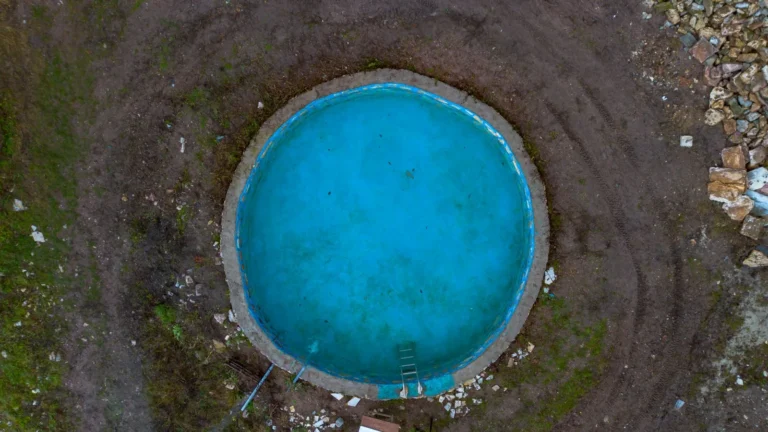
The trade-off is real, though. Semi-inground pools sit partially buried — usually 2 to 4 feet deep into the ground with the top rail exposed or wrapped in decking — and the price swings hard based on the wall material, the size, and how much of the pool you sink. A 12-foot round steel-wall kit partially buried might cost $9,000 all-in, while a 16-by-32-foot insulated-wall pool dropped nearly flush into a sloped yard can push $30,000.
Here’s a straight breakdown of what a semi inground pool cost actually includes, where the money goes, and how to keep your quote honest.
What a Semi Inground Pool Cost Includes
When a contractor quotes you a semi inground pool cost, you’re paying for far more than a kit in a box. A realistic installed price bundles five main line items:
- Pool kit — the wall, liner, skimmer, return fittings, pump, and filter. For a reputable steel-wall or resin kit, expect $4,000 to $12,000 depending on size and brand.
- Excavation and grading — digging the hole and leveling the base. Most yards run $1,500 to $4,000, but rocky soil, roots, or a serious slope can double it.
- Backfill and compaction — the material packed around the buried wall. Sand or gravel backfill usually adds $500 to $1,500.
- Electrical and bonding — running a dedicated GFCI circuit and bonding the pool shell. Budget $800 to $2,000, and don’t skip bonding; it’s a safety issue and a code requirement.
- Decking or retaining wall — the single biggest variable. A simple gravel surround costs a few hundred dollars, while a full paver or composite deck with a retaining wall can add $5,000 to $15,000 on its own.
The kit is only about half the job. If a quote looks suspiciously cheap, ask what’s excluded before you sign.
Factors That Move the Price
No two semi inground pool cost quotes come out the same, and the differences are usually explained by four things.
Pool Size and Shape
More linear feet of wall means more steel, more liner, and a bigger hole. A 12-foot round is the cheapest common size; a 16-by-32 oval or a free-form shape with buttress supports pushes the top of the range. Roughly:
| Size / Shape | Kit Cost | Installed Range |
|---|---|---|
| 12–15 ft round | $4,000–$7,000 | $8,000–$14,000 |
| 18 ft round | $6,000–$9,000 | $12,000–$19,000 |
| 16 x 32 ft oval | $9,000–$14,000 | $18,000–$28,000 |
| Free-form / custom | $12,000+ | $22,000–$35,000 |
Wall Material
The wall is the backbone of any semi-inground pool, and material choice drives both price and lifespan.
- Galvanized steel is the budget option. It’s strong and cheap, but any scratch through the coating becomes a rust point.
- Resin/composite walls resist corrosion and chemicals better and cost $1,000 to $3,000 more.
- Insulated panel walls (like those from Radiant Pools or Doughboy) are the top of the line. They hold heat, stay rigid under ground pressure, and can add $3,000 to $7,000 to the total.
If the pool is going to stay in the ground for 15 to 20 years, the insulated or resin upgrade usually earns its cost back in fewer liner repairs and lower heating bills.
Depth of Burial
This is the defining variable. A pool sunk only 18 inches needs minimal excavation and no retaining wall. A pool buried 4 feet into a sloped backyard — the classic “walk-out” install on a hill — needs engineered backfill and often a retaining wall to hold the exposed face. That single decision can add $4,000 to $12,000.
Site Conditions and Access
Rock ledges, tree roots, high water tables, and yards that a backhoe can’t reach all inflate the final bill. If the crew has to hand-dig or bring in a smaller machine, add 15 to 30 percent to the labor line.
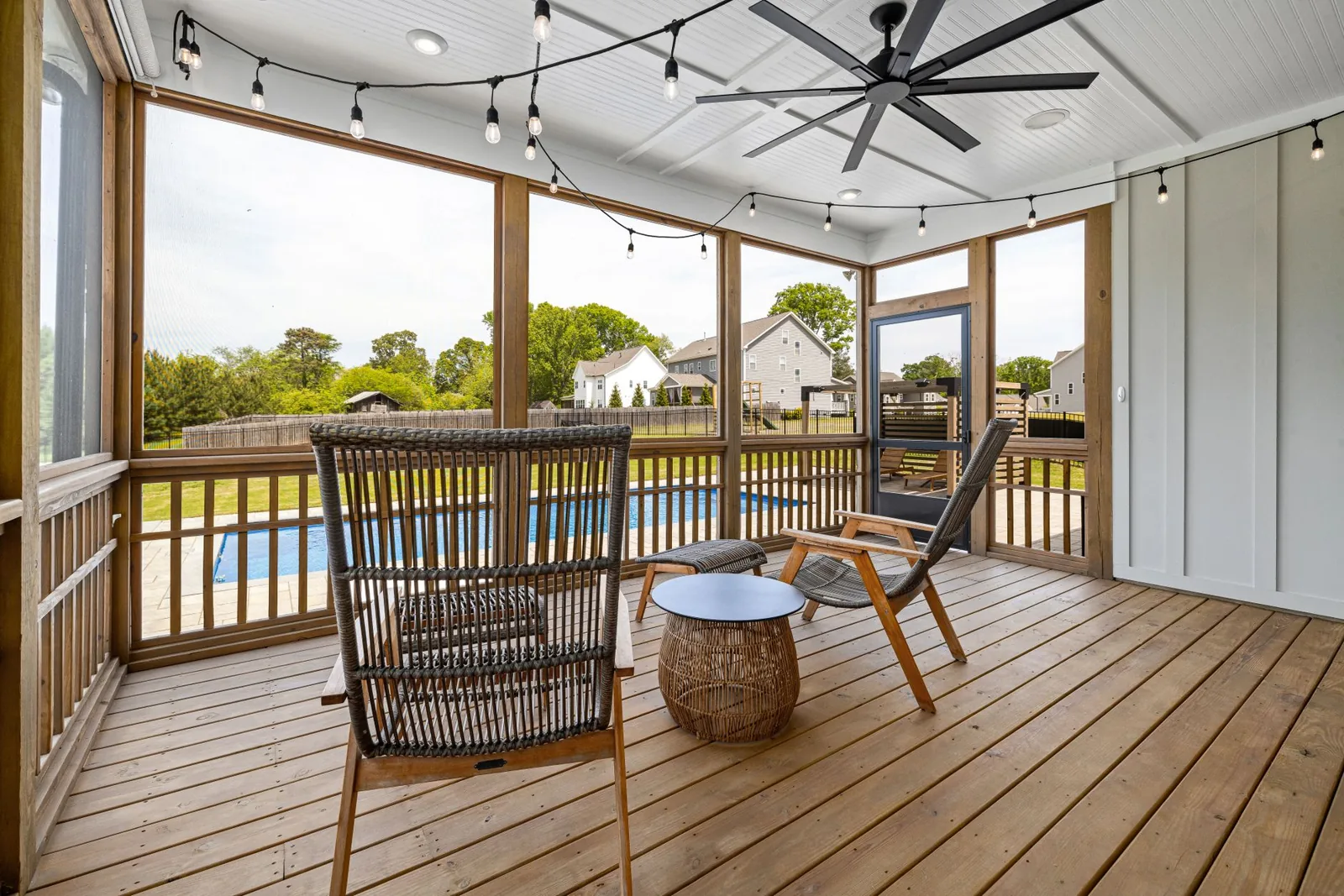
Photo by Curtis Adams via Pexels
Semi Inground vs. Inground vs. Above Ground
The real value question is where a semi inground pool cost sits against the alternatives. Here’s the honest comparison for a mid-size pool in 2026:
| Feature | Above Ground | Semi Inground | Full Inground |
|---|---|---|---|
| Typical installed cost | $1,500–$8,000 | $8,000–$28,000 | $40,000–$100,000 |
| Look and feel | Temporary, visible walls | Sunk-in, custom, deckable | Fully custom, permanent |
| Install time | 1–2 days | 1–3 weeks | 6–12 weeks |
| Lifespan | 10–20 years | 20–30 years | 25–50+ years |
| Resale value | Low | Moderate | Highest |
If your goal is a backyard that looks designed rather than dropped in, a semi inground pool is the cheapest way to get there. But understand the ceiling: it will never match the resale lift or the true custom shape of a full inground build, and a concrete or gunite shell will always outlast a liner pool. For a closer look at that trade-off, our guide to the inground versus above ground cost lays out the numbers side by side.
Hidden Costs Homeowners Forget
The kit price is the easy number. The semi inground pool cost that catches people off guard is everything wrapped around it.
- Permits — most municipalities treat a partially buried pool like an inground one. Expect $100 to $500 for permits and a possible inspection.
- Water delivery — filling 15,000 to 25,000 gallons from a hose can take days and spike your utility bill. Trucked water runs $500 to $1,500 in some regions.
- Fencing and safety barriers — code usually requires a barrier, alarm, or safety cover. A basic fence section can run $1,500 to $5,000.
- Liner replacement — vinyl liners last 8 to 15 years and cost $1,500 to $4,000 to replace. Build that into your long-term math.
- Heating — a heat pump adds $3,000 to $6,000 upfront. The U.S. Department of Energy notes that a heat pump is the most efficient way to extend your swim season.
Ask for an itemized quote with these line items called out. A contractor who lists permits, electrical, and backfill separately is giving you a real number; one who doesn’t is giving you a surprise.
How to Get an Accurate Quote
Semi inground pool cost quotes are only useful when they’re apples-to-apples. Do this before you collect numbers:
- Measure your access path and confirm a backhoe or mini-excavator can reach the site.
- Flag your soil — if you know the yard has ledge, clay, or a high water table, say so up front.
- Pick your depth before bidding so every contractor prices the same burial.
- Decide on the surround — gravel, poured deck, or pavers — since it’s the biggest swing item.
- Get three itemized quotes and compare the kit, excavation, electrical, and decking lines separately.
The cheapest quote is rarely the best one. A lowball bid usually means a cheaper wall, thinner backfill, or a deck line that’s “not included.”
Photo by Kirandeep Singh Walia via Pexels
Is a Semi Inground Pool Worth It?
For the right yard and the right budget, yes — it’s the best-looking pool you can buy without financing a full inground build. You get a real deck, a sunk-in profile, and a swimming experience that’s nearly indistinguishable from a custom pool for roughly a third of the cost. In a sloped backyard where a traditional above-ground pool looks terrible and a full inground installation is a major construction project, a semi inground pool is often the only sensible answer.
The honest downsides: you still have a liner to replace, a shallower depth limit on most models, and resale value that lands below a true inground pool. If your house is your forever home and you’ll swim for 20 years, the numbers work. If you’re selling in five, the premium you pay over a basic above-ground setup may not come back to you.
Frequently Asked Questions
How much does a semi inground pool cost in total?
Most homeowners pay $8,000 to $28,000 installed, with $15,000 to $20,000 as the realistic middle for a mid-size pool with basic decking. The kit alone is only $4,000 to $12,000; excavation, electrical, backfill, and the surround make up the rest.
What is the cheapest way to install a semi inground pool?
Buy a galvanized steel round kit, sink it only 18 to 24 inches, surround it with gravel instead of a poured deck, and handle simple site prep yourself. That path can keep the total under $10,000.
Can a semi inground pool be fully buried?
No. Semi-inground walls are engineered for partial burial, not full submersion in the ground. Most manufacturers rate their walls for 2 to 4 feet of burial. If you want a fully sunk pool, you need a true inground shell.
How long does a semi inground pool last?
A well-installed steel or resin wall can last 20 to 30 years, but the vinyl liner will need replacement every 8 to 15 years at $1,500 to $4,000 per swap. Insulated panel walls tend to outlast basic steel.
Do semi inground pools add value to a home?
They add modest resale value, more than an above-ground pool but less than a full inground pool. Buyers like the sunk-in look, but a liner pool still reads as less permanent than gunite or fiberglass.
The Bottom Line
A semi inground pool cost of $8,000 to $28,000 buys you the look of a custom backyard pool at a fraction of a full inground price — as long as you go in with your eyes open. The kit is the cheap part; excavation, electrical, backfill, and the deck are where budgets blow up. Get itemized quotes, pick your burial depth before you bid, and don’t skip the bonding or the permit.
Done right, it’s the smartest dollar-for-dollar pool upgrade you can make to a sloped or awkward backyard. Budget for the liner and the fence now, and you’ll swim for two decades without a surprise.
Planning a larger build? Compare the full picture in our inground pool installation cost breakdown, or see how fiberglass stacks up against concrete before you commit.