How Much Does an Inground Pool Cost? (2026 Price Guide)
An inground pool is one of the biggest single investments you can make in your backyard, and the question almost every homeowner starts with is the same: how much does an inground pool cost? The short answer is that most people in the United States spend between $45,000 and $85,000 on a new inground pool in 2026, with the national average sitting around $62,000 to $70,000. That number, however, hides a wide spread that depends almost entirely on the type of pool you choose, its size, and what’s going on underground at your property.
There is no single sticker price, and anyone who quotes you one over the phone before seeing your yard is guessing. A fiberglass shell can be installed in a week and costs less than a custom gunite pool, while a vinyl liner pool lands somewhere in between. Below, we break down real cost ranges, the factors that move the number up or down, and the add-ons that catch first-time buyers off guard.
How Much Does an Inground Pool Cost on Average?
For a standard rectangular pool of roughly 12 by 24 feet, expect to pay between $50,000 and $70,000 turnkey in most parts of the country. That includes excavation, the pool structure itself, plumbing, basic equipment, and a standard coping and deck package. High-cost-of-living markets such as the Northeast, coastal California, and major metros can push the same project 15 to 30 percent higher, while the Southeast and parts of the Midwest often come in below the national figure.
Labor is the largest line item. Excavation, plumbing, electrical work, and finishing typically account for 40 to 60 percent of the total, which is why the same pool can vary by $15,000 or more between two contractors quoting the same job. When you compare bids, ask each builder to break out labor, materials, and equipment separately so you can see where the difference actually lives.
Inground Pool Cost by Type
The material you build with drives the price more than anything else. Each type has a different upfront cost, timeline, and long-term maintenance profile, and the cheapest option upfront is not always the cheapest over 20 years.
| Feature | Fiberglass | Vinyl Liner | Concrete (Gunite) |
|---|---|---|---|
| Typical installed cost | $45,000–$85,000 | $35,000–$65,000 | $50,000–$100,000+ |
| Build time | 1–3 weeks | 3–6 weeks | 2–4 months |
| Cost per square foot | $90–$150 | $50–$90 | $80–$150 |
| Liner/surface lifespan | 20–30+ years (gel coat) | 7–12 years (liner) | 15–25 years (plaster) |
| Shape flexibility | Limited to prefab shells | Limited | Fully custom |
| Best for | Fast install, low maintenance | Tight budget | Custom shapes, large pools |
Fiberglass pools are factory-molded shells that arrive on a truck and drop into a pre-dug hole. They cost more upfront than vinyl but are cheaper to maintain because the smooth gel coat resists algae and never needs a liner replacement. Vinyl liner pools are the budget option, but the liner itself must be replaced roughly every decade at a cost of $4,000 to $7,000, which erodes much of the initial savings. Concrete (gunite or shotcrete) pools are the most expensive and slowest to build, but they can be any shape and depth, which makes them the default for lap pools, deep diving wells, and irregular lots.
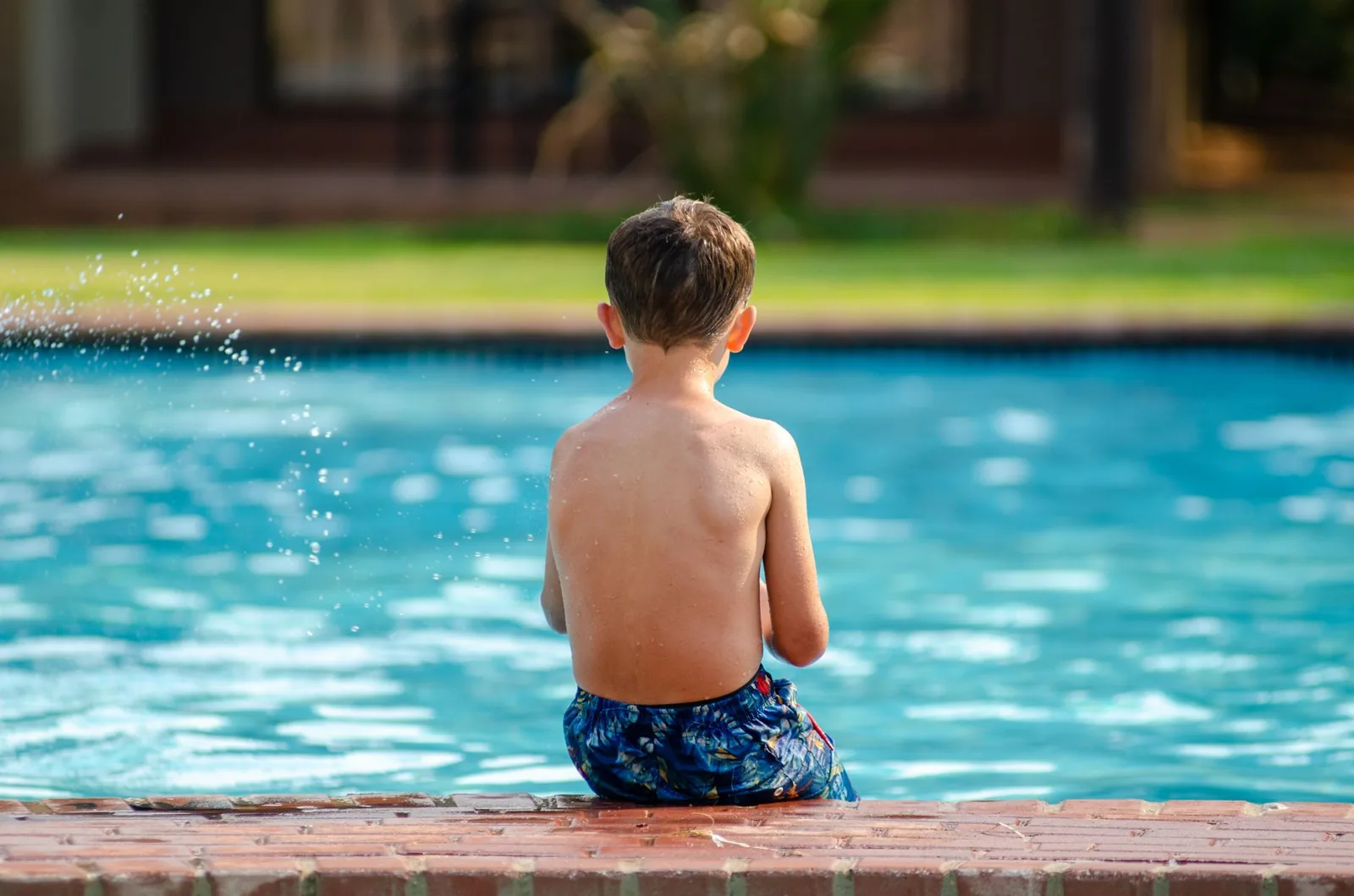
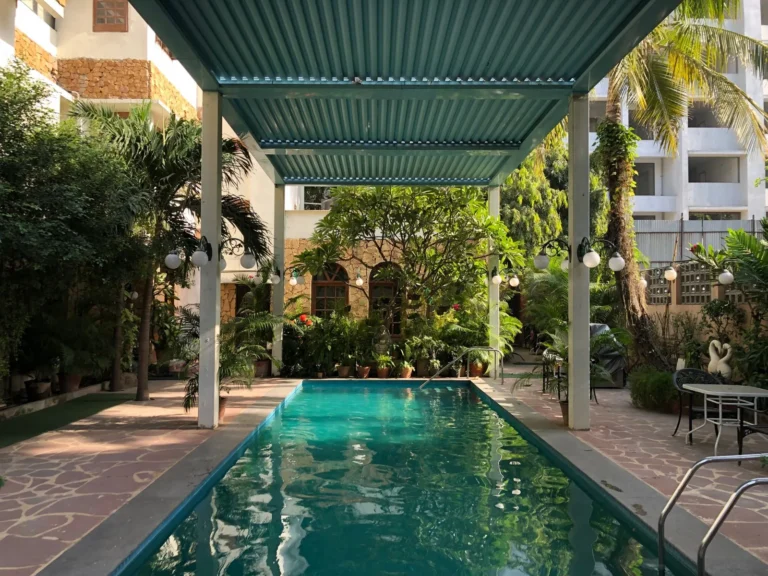
Photo by Steward Masweneng via Pexels
For a closer look at how the two premium materials stack up, see our breakdown of fiberglass pool cost vs concrete.
What Drives the Price of an Inground Pool?
Two neighbors can get wildly different quotes for what looks like the same pool. Here are the factors that actually move the number.
Size and Depth
Pools are priced by square footage of surface area and, to a lesser degree, volume. Adding two feet of length and one foot of depth to a pool can raise the cost by $8,000 to $15,000 because it increases excavation, concrete or shell material, water, and the size of the pump and heater required. A shallow “sports” pool costs noticeably less than one with a deep end rated for diving.
Site Conditions
What is under your grass matters as much as what goes on top of it. Rocky soil, a high water table, poor drainage, or a steep slope can add $5,000 to $30,000 to a project. Access matters too: if a backhoe and a crane cannot reach the dig site, contractors charge more for smaller equipment or hand work. Before you sign, ask whether your quote includes rock removal and groundwater pumping or whether those are treated as change orders.
Equipment and Finishes
A basic pool package includes a single-speed pump, a sand filter, and a standard coping. Upgrading to a variable-speed pump, a salt chlorine generator, an efficient heat pump, and an automated control system can add $8,000 to $20,000 but typically pays for itself through lower energy and chemical costs. Decks, tile, plaster color, and water features are where budgets tend to balloon.
Inground Pool Cost per Square Foot
Thinking in per-square-foot terms is the fastest way to sanity-check a quote. For a finished pool including basic equipment and a simple deck, plan on $80 to $150 per square foot of pool surface. A 12-by-24-foot pool is 288 square feet, which at $120 per square foot lands right around $34,500 for the pool itself — and the balance to get to the $50,000-plus turnkey figure comes from equipment, decking, fencing, and site work.
Larger pools have a lower cost per square foot because fixed costs such as mobilization, permitting, and a minimum equipment package are spread over more area. A small plunge pool or spa might cost $400 or more per square foot for exactly that reason, while a 20-by-40-foot pool can dip below $100 per square foot.
Photo by Atlantic Ambience via Pexels
If you want to understand where the total project number comes from line by line, our guide to inground pool installation cost walks through each stage.
Additional Costs First-Time Buyers Overlook
The pool is never the whole price. Budget for these before you sign a contract, because almost none of them are optional.
- Permits and engineering: $500 to $2,000, and required almost everywhere.
- Fencing and safety: Most municipalities require a barrier around a pool, adding $2,000 to $8,000.
- Electrical and gas runs: Upgrading a panel or running a gas line for a heater can add $2,000 to $6,000.
- Landscaping and drainage: Regrading, retaining walls, and restoration around the dig site often run $3,000 to $15,000.
- Annual maintenance: Plan on $1,200 to $2,500 per year for chemicals, electricity, and water, more with a heated pool.
These figures come from contractor surveys and are in line with the cost data published by Angi, which is a useful reference point when you are comparing local quotes.
Inground vs. Above-Ground: Where the Money Goes
If the inground price tag is giving you pause, it helps to see the gap in black and white. A quality above-ground pool can be installed for $3,000 to $15,000, while an inground pool starts around $35,000 and commonly runs to $80,000. The difference is excavation and structure: an inground pool is a permanent engineered structure, while an above-ground pool is a kit that sits on the surface.
The trade-off is longevity and home value. A well-built inground pool can last decades and is typically considered a permanent improvement, whereas most above-ground pools are replaced within 10 to 15 years and add little to a resale appraisal. For a full side-by-side of the two options, read above-ground pool cost installed and our inground pool vs above-ground pool cost comparison.
How to Save Money on an Inground Pool
You can cut the total cost by 15 to 30 percent without buying a pool you will regret.
- Build in the off-season. Contractors in most regions offer discounts from late fall through early spring when demand drops.
- Keep the shape simple. Rectangles and standard depths are faster to build and dramatically cheaper than freeform designs.
- Skip the heater at first. You can add a heat pump later; the plumbing stubs are cheap to install now.
- Get three itemized bids. Prices vary more than people expect, and an itemized bid lets you compare labor, not just totals.
- Consider a smaller package. A 10-by-20-foot pool can serve a family well and costs thousands less than a 16-by-32.
The single most expensive mistake buyers make is approving change orders during construction. Lock down finishes, equipment, and deck size in writing before excavation starts, and treat any “upgrade” suggested mid-build with skepticism.
Frequently Asked Questions
How much does an inground pool cost in 2026?
Most homeowners spend between $45,000 and $85,000 on a new inground pool, with a national average of roughly $62,000 to $70,000 for a standard 12-by-24-foot pool with basic equipment and decking.
What is the cheapest type of inground pool?
Vinyl liner pools are the cheapest upfront, typically $35,000 to $65,000 installed. Fiberglass is usually next, and concrete (gunite) is the most expensive. Remember that vinyl liners must be replaced about every 10 years, which narrows the long-term gap.
Is an inground pool worth the cost?
For a family that will use it regularly, an inground pool can be a good investment in lifestyle, though it rarely returns its full cost at resale — most appraisers credit a pool at 30 to 70 percent of what it cost to build. In warm climates with a long swim season, the value is easier to justify.
How long does it take to build an inground pool?
A fiberglass pool can be swimming-ready in one to three weeks. Vinyl liner pools take three to six weeks, and a concrete pool typically runs two to four months due to curing time and multiple finishing stages.
How much does it cost to maintain an inground pool?
Expect $1,200 to $2,500 per year for chemicals, electricity, and water, rising if you heat the pool or live in a region with expensive power. Salt systems lower chemical costs but add equipment cost and still consume electricity.
The Bottom Line
How much does an inground pool cost? For most homeowners, the honest answer is $45,000 to $85,000 turnkey, with the type of pool, your soil, and the extras you choose deciding where you land inside that range. Get itemized bids from at least three builders, compare them by labor cost and not just the bottom line, and build in a 10 to 15 percent buffer for the site conditions and change orders that almost always surface.
If you are ready to go further, start with our guide to inground pool installation cost to see the full project broken down stage by stage, then compare fiberglass pool cost vs concrete before you commit to a material. A pool is a decades-long purchase, and the money you spend now on planning is the cheapest part of the whole project.