Inground Pool vs Above Ground Pool Cost: 2026 Price Breakdown
The inground pool vs above ground pool cost question is the first thing most homeowners hit when they start planning a backyard project. The short answer is stark: an above-ground pool typically runs $1,500 to $7,500 installed, while an inground pool starts around $35,000 and easily passes $100,000 for a concrete build with a patio and fencing. That gap — often five to ten times the money — is the single biggest driver of which pool people end up with.
But sticker price is only part of the story. An above-ground pool lasts 10 to 15 years and adds almost nothing to your home’s resale value. An inground pool can last 30 to 50 years, reshapes how you use your yard, and, in many markets, adds measurable equity. Before you commit either way, you need a clear-eyed look at what each option costs up front, per year, and over its lifetime.
What an Above Ground Pool Really Costs
Above-ground pools are the budget path, and their pricing is surprisingly transparent. Most are sold as kits from brands like Intex, Bestway, and Doughboy, and the price breaks down cleanly into three buckets: the pool itself, site preparation, and installation.
- Pool kit: $800 to $4,500 for a 24-foot round steel-wall or resin-wall pool. Intex and Bestway models at the low end, name-brand steel pools like Doughboy at the high end.
- Site prep: $500 to $2,000 to level the ground, add a sand or foam base, and clear turf. Skipping this step is the most common cause of early liner failure.
- Installation: $1,000 to $3,500 if you hire a pro rather than doing the 8-to-12-hour DIY assembly yourself.
Add a basic ladder, a pump and sand filter, and a small pool deck, and a realistic all-in total lands between $2,500 and $8,000. The DIY route on a flat lot can shave $1,500 or more off that number, which is why above-ground pools remain the default for families who want a swim season without financing a renovation.
What an Inground Pool Really Costs
Inground pricing is far less uniform because you’re paying for excavation, a permanent structure, and finish work. The material you choose drives the biggest swing in the inground pool vs above ground pool cost math.
| Feature | Above Ground Pool | Fiberglass Inground | Concrete/Gunite Inground |
|---|---|---|---|
| Typical installed cost | $1,500–$7,500 | $40,000–$70,000 | $60,000–$120,000+ |
| Build time | 1–2 days | 2–4 weeks | 2–4 months |
| Lifespan | 10–15 years | 25–40 years | 30–50 years |
| Annual maintenance | $500–$1,200 | $1,000–$2,500 | $1,500–$3,000 |
| Resale value add | Minimal | Moderate | Highest |
| Shape options | Round/oval only | Limited pre-molded | Fully custom |
Fiberglass pools are factory-molded shells dropped into an excavated hole; at $40,000 to $70,000 they’re the “fast and lower-maintenance” inground option, though you’re locked into a handful of shapes and a 40-foot maximum length. Vinyl-liner inground pools split the difference at $35,000 to $65,000 but need a new $4,000-to-$6,000 liner every seven to ten years. Concrete or gunite pools are the premium choice — fully customizable, essentially permanent, and priced from $60,000 to $120,000 or more once you add coping, tile, and plaster.
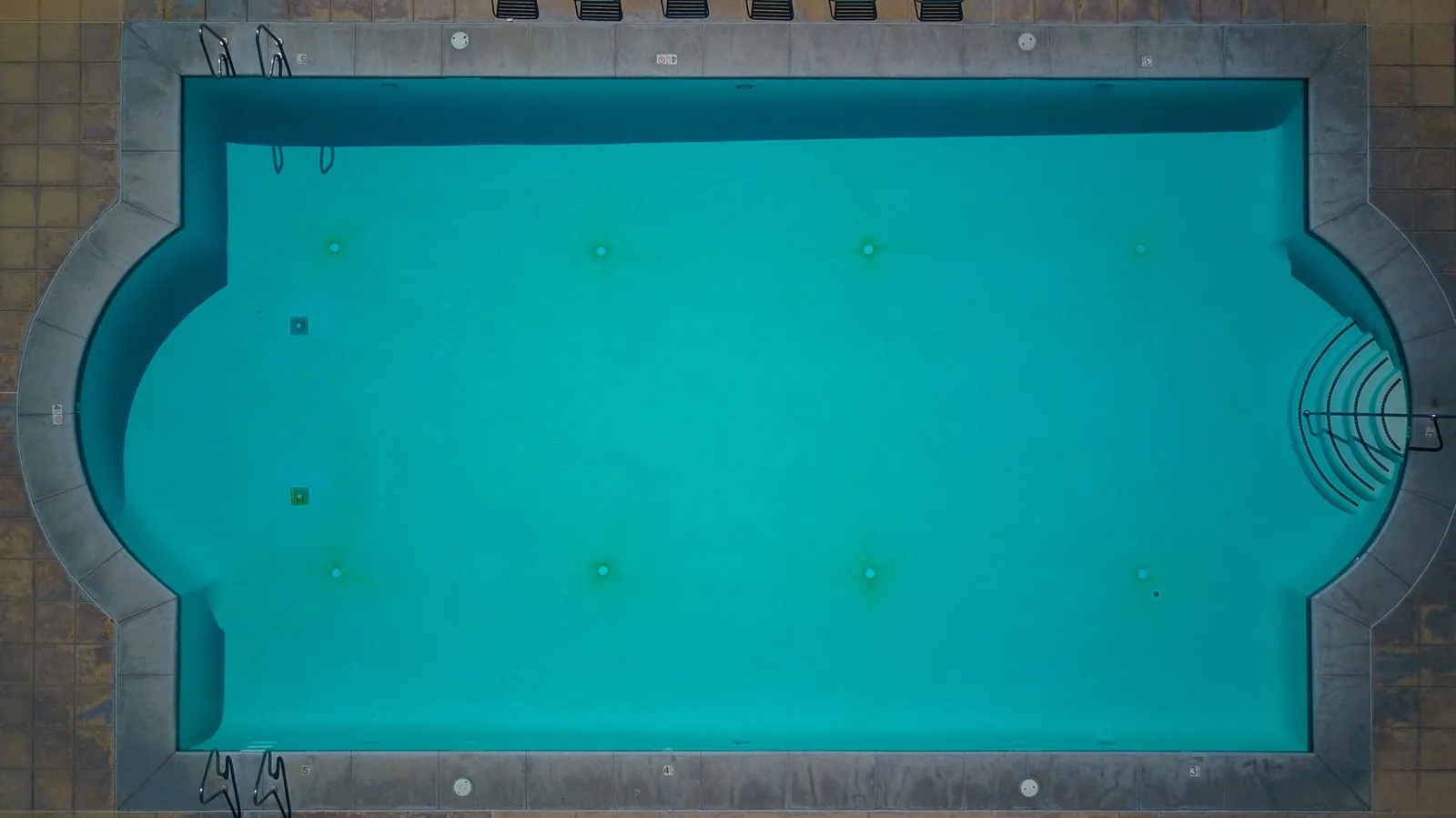
Photo by Kindel Media via Pexels
Where the Hidden Costs Hide
The number on a quote is rarely the number on the final invoice, and both pool types have their own surprise line items. Knowing them ahead of time is what separates a clean build from a budget blowout.
For above-ground pools, the big hidden costs are site prep on sloped lots, upgraded electrical for the pump (a dedicated GFCI circuit runs $200 to $500), and the liner you’ll replace for $300 to $800 every five or so years. For inground pools, the list is longer: excavation and soil disposal ($5,000 to $15,000 on difficult lots), concrete decking at $10 to $30 per square foot, fencing to meet code ($2,000 to $8,000), and the electrical and plumbing upgrades that can add $3,000 to $10,000. In most municipalities, an inground pool also triggers a permit and a bump in your property tax assessment — something above-ground owners usually avoid.
Year-to-Year Operating Costs Compared
Purchase price is a one-time expense; the utility bill and maintenance schedule are forever. This is where the two options converge more than most people expect, and it’s worth running the numbers over a decade rather than a season.
- Electricity: $300 to $800 per year for a pool pump, heater, and filter for either type. Inground systems with variable-speed pumps and gas heaters can push toward $1,000-plus.
- Water and chemicals: $300 to $700 per year. Bigger inground pools hold more water, so they cost more to fill and treat.
- Maintenance and repairs: $500 to $1,200 per year for an above-ground pool; $1,000 to $3,000 for an inground pool once you factor in liner or plaster refinishing, filter replacement, and occasional tile or plumbing work.
- Insurance: Many insurers raise premiums for any pool, but inground pools with diving boards or slides attract steeper increases and sometimes require an umbrella policy.
Over a 15-year window, an above-ground pool’s total cost of ownership might reach $15,000 to $25,000 — often two to three times its initial price. An inground pool, by contrast, can absorb $50,000 to $100,000 in operating and maintenance costs on top of its build price across the same span. Cheap to buy is not the same as cheap to own.
Resale Value and the Equity Question
If you plan to sell within a decade, this is the deciding factor for many buyers. Above-ground pools are widely treated by appraisers as personal property, not real estate — they add essentially nothing to a home’s value and can even be a mild turnoff if a buyer doesn’t want the maintenance. Inground pools are a different story: depending on the market, a well-maintained inground pool can recoup 50% to 70% of its cost in resale value, with the strongest returns in warm-weather states like Florida, Texas, and Arizona.
That’s why the framing matters. An above-ground pool is best understood as an appliance you buy and eventually throw away. An inground pool is closer to an addition — an asset with a long service life and partial recoverability at sale. Neither is inherently “better”; they simply serve different time horizons and different budgets.
Photo by ebrar via Pexels
Which Pool Should You Choose?
The right answer comes down to three questions you can answer without a contractor. First, how long will you be in the house? Under five years, an above-ground pool almost always wins on pure economics. Second, how firm is the budget? If $40,000 is your ceiling, inground options exist but force compromises on size and finish. Third, what does the yard actually need? A steep or rocky lot can add five figures to an inground excavation and make a leveled above-ground pad the saner engineering choice.
A few practical rules of thumb:
- Choose above ground if you want a swim season now, are comfortable with a 10-to-15-year lifespan, and would rather not touch a HELOC or construction loan.
- Choose fiberglass inground if you want permanence and low maintenance but can live within a preset shape and a $40,000-to-$70,000 budget.
- Choose concrete/gunite if you’re building a custom entertaining space and plan to stay for decades, accepting the highest cost and longest build time.
If you’re weighing inground materials specifically, it’s worth reading our breakdown of fiberglass versus concrete, and if the all-in number matters more than the material, see what a full inground installation actually includes. For the budget path, a closer look at above-ground installation pricing will help you decide between DIY and hiring out.
Frequently Asked Questions
How much more expensive is an inground pool than an above ground pool?
On average, an inground pool costs five to ten times more than an above-ground pool. Expect $1,500 to $7,500 for an above-ground pool installed versus $35,000 to $100,000-plus for an inground pool, depending on material and site conditions.
Does an above ground pool add value to a home?
Generally no. Appraisers treat above-ground pools as personal property, so they add little or nothing to resale value. A well-maintained inground pool can recoup roughly 50% to 70% of its cost in the right market.
How long does each type of pool last?
An above-ground pool lasts about 10 to 15 years, with liner replacement along the way. Fiberglass inground pools last 25 to 40 years, and concrete or gunite pools can last 30 to 50 years with proper maintenance.
Are there financing options for an inground pool?
Yes. Homeowners commonly use home equity loans, HELOCs, cash-out refinances, or dealer financing. Some inground builders also offer in-house payment plans, though rates are typically higher than home-equity products.
Can I install an above ground pool myself?
In many cases, yes. Steel-wall and resin-wall kits are designed for DIY assembly in a day or two on a level site, which can save $1,000 to $3,500 in labor. Electrical work for the pump should still be handled by a licensed electrician.
For more detail, compare the above ground pool cost installed and read our full inground pool installation cost breakdown.
The Bottom Line
The inground pool vs above ground pool cost decision isn’t really a contest — it’s a question of budget, timeline, and how long you’ll stay in the house. Above-ground pools deliver a swim season for a few thousand dollars and are the right call for short horizons and tight budgets. Inground pools demand five to ten times the investment but return permanence, customization, and partial equity recovery that the budget option simply can’t match.
Run your own numbers honestly: add site prep, electrical, decking, and a decade of maintenance to whichever quote you’re holding, then decide which pool you can actually afford to own — not just buy. If you’re ready to move forward, browse our pool cost guides to see what a full installation will cost in your area before you sign anything.
For deeper cost data and build guidance, the pool pros at This Old House and Angi both keep current price breakdowns worth checking.