Inground Pool Installation Cost: 2025 Price Guide for Homeowners
The inground pool installation cost is one of the first numbers homeowners want to pin down before they commit, and for good reason — it is a five-figure decision that shapes your backyard for decades. Most full installations across the United States land between $38,000 and $100,000, with a national average of roughly $65,000. Where you fall in that range depends far less on luck than on the type of pool you choose, the size, and what your local soil and labor market demand.
That is a wide spread, and most of it comes from a single choice made early: vinyl liner, fiberglass, or concrete. The material you pick changes the price, the timeline, the long-term maintenance, and even how much the project disrupts your yard. This guide breaks down the real numbers for each option so you can budget honestly instead of working from a glossy brochure figure.
How Much Does an Inground Pool Cost by Type?
The biggest variable in your total inground pool installation cost is the construction method. The three main types are priced differently because they are built completely differently — one is a flexible liner over a frame, one is a pre-made shell dropped into a hole, and one is sprayed or poured on site.
| Feature | Vinyl Liner | Fiberglass | Concrete (Gunite) |
|---|---|---|---|
| Typical installed cost | $38,000–$65,000 | $45,000–$85,000 | $50,000–$100,000+ |
| Build timeline | 3–6 weeks | 1–2 weeks | 8–12 weeks |
| Shape flexibility | Limited (kit shapes) | Limited (pre-molded) | Unlimited (custom) |
| Liner/surface lifespan | 7–12 years (replace liner) | 25+ years (gel coat) | 20–30 years (replaster) |
| Yearly maintenance | Higher (chemical + liner) | Lowest (smooth surface) | Moderate (acid wash, resurface) |
Concrete pools cost the most because they are built on site by crews working for months, and every curve is custom-formed. Fiberglass costs a bit less and installs in days, but you are limited to the manufacturer’s mold shapes. Vinyl liner pools are the budget option, though the liner itself is a recurring expense most first-time buyers forget to budget for.
What Drives the Inground Pool Installation Cost?
Once you have chosen a type, several other factors move the final price by thousands of dollars at a time. Contractors quote these individually, so understanding them helps you compare bids line by line.
Pool Size and Depth
A 12-by-24-foot pool costs far less than a 20-by-40-foot one, and depth matters more than you would think. Digging deeper, adding a diving board, or building a shallow-to-deep transition all add excavation, steel, and concrete. As a rough rule, every added foot of length or depth pushes the quote up meaningfully because every trade — digger, plumber, electrician, finisher — charges by the square foot or linear foot.
Site Access and Soil Conditions
This is the number most often left off a ballpark estimate, and it can add $10,000 or more. A backyard a dump truck and excavator can reach easily is cheap to build. A backyard behind a fence, up a slope, or with narrow side-yard access requires smaller machines, more labor, or a crane to lift a fiberglass shell over the house. Rocky soil, a high water table, or ledge near the surface also raise excavation costs and can force engineered solutions.
Permits, Fencing, and Safety Requirements
Almost every municipality requires a building permit, and many mandate a safety barrier — a fence or pool cover — before final inspection. Permit fees typically run $500 to $2,000 depending on your city, and the required fencing can add $3,000 to $12,000 if your yard is not already enclosed. Skipping these is not an option; they are code requirements, not suggestions.
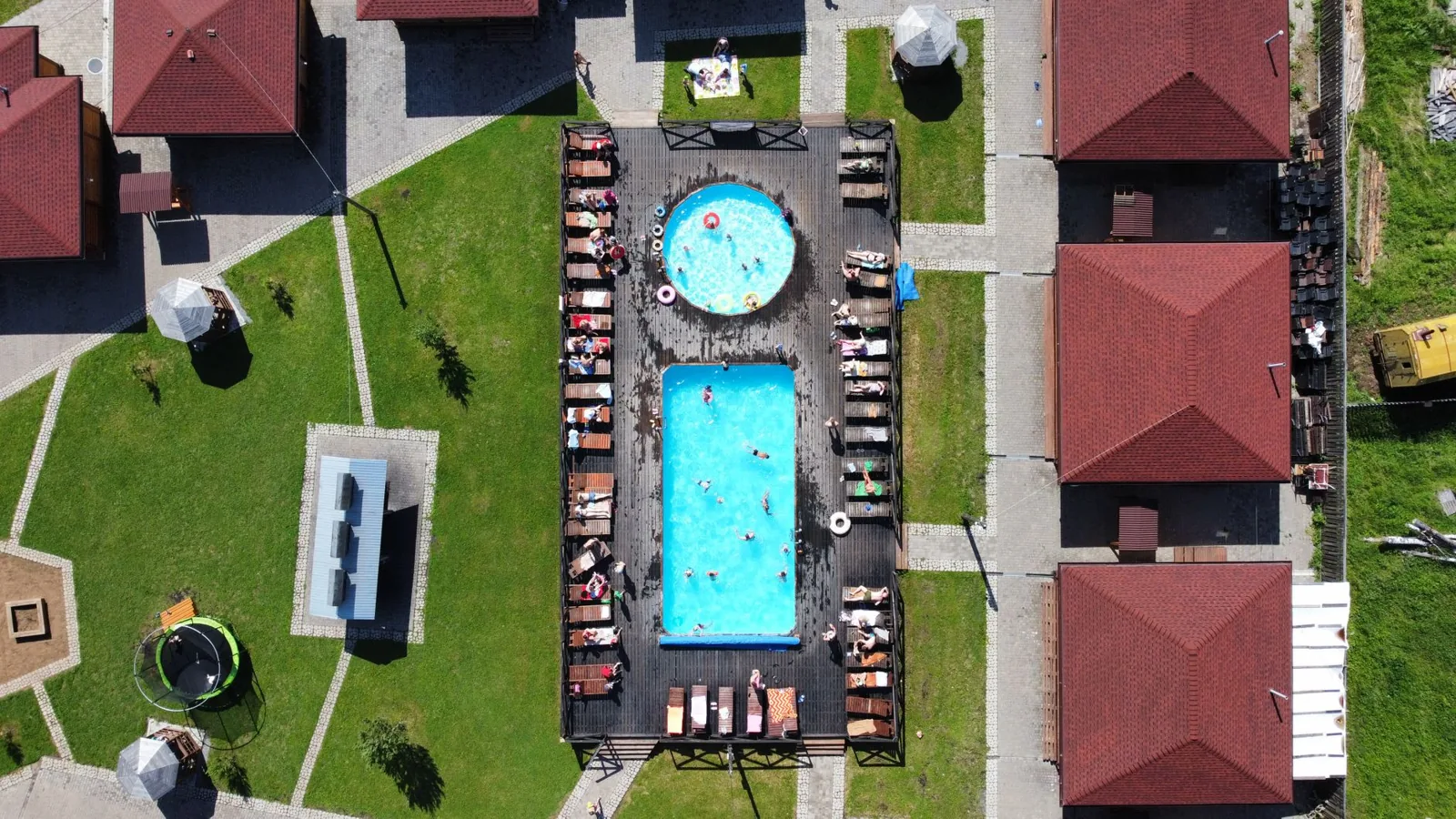
Photo by Denis Zhyravlev via Pexels
Vinyl, Fiberglass, or Concrete: Which Is Cheapest Over Time?
Sticker price is only half the story. Over 20 years, the cheapest pool to install can become the most expensive to own, so it is worth doing the long math before you sign.
- Vinyl liner has the lowest upfront cost but needs a new liner every 7 to 12 years at $3,000 to $6,000 per replacement, plus more vigilant water chemistry to protect the material.
- Fiberglass costs more upfront but has a smooth, algae-resistant surface that needs fewer chemicals, and the gel coat can last 25 years or more before refinishing.
- Concrete (gunite) is the most expensive to install and to resurface — replastering runs $10,000 to $25,000 every 10 to 15 years — but it is the only option for truly custom shapes and the longest-lived structure overall.
If you want to see how these compare head to head before you decide, we break down the trade-offs in more detail in our guide to fiberglass pool cost vs concrete.
Extra Costs That Catch First-Time Buyers Off Guard
The pool shell is rarely the whole bill. Contractors typically quote the pool itself, then list the following as add-ons or “owner-supplied” items that still have to come out of your budget.
- Decking and coping: $6,000 to $20,000 depending on material (poured concrete is cheapest; natural stone is highest).
- Excavation and soil removal: usually bundled, but haul-away fees for poor soil or excess rock can be a surprise line item.
- Electrical and plumbing: a dedicated circuit, bonding, pump, filter, and heater wiring run $3,000 to $8,000 combined.
- Pool heater: $3,000 to $6,000 for gas, $2,000 to $5,000 for an electric heat pump.
- Landscaping and restoration: regrading, sod, and sprinkler repair after construction can run $2,000 to $8,000.
- Pool cover: a safety cover or automatic cover ranges from $2,500 to $15,000.
Photo by SHVETS production via Pexels
How to Lower Your Inground Pool Installation Cost
You cannot build a quality inground pool for pocket change, but you can trim thousands without cutting corners that will cost you later. Here is what experienced contractors say actually works.
- Build in the off-season. Contractors price to stay busy in fall and winter, and you can often save 5–10 percent on labor alone versus a spring or summer start.
- Keep the shape simple. Every custom curve, bench, or tanning ledge adds formwork and finishing time. A clean rectangle is dramatically cheaper than a freeform lagoon.
- Bundle the extras at install. Adding a heater or cover during construction is cheaper than retrofitting them later, when plumbing is already buried.
- Get three itemized quotes. Never compare bottom-line numbers alone — ask each contractor to break out excavation, shell, equipment, and decking so you can spot who is padding which line.
- Reconsider depth. If nobody in the household will dive, a uniform 5-foot depth saves concrete, steel, and heating cost every season after.
If a full inground pool is stretching your budget, an above-ground option can deliver summer swimming at a fraction of the price. See how they stack up in our comparison of inground pool vs above ground pool cost, or read what an installed above-ground pool really runs in our above ground pool cost installed guide.
Frequently Asked Questions
How much does it cost to install an inground pool in 2025?
Most homeowners pay between $38,000 and $100,000, with a national average around $65,000. Vinyl liner pools sit at the low end, fiberglass in the middle, and custom concrete or gunite pools at the high end.
What is the cheapest type of inground pool to install?
A vinyl liner pool is the cheapest inground option, typically starting around $38,000. Keep in mind the liner must be replaced every 7 to 12 years, which adds $3,000 to $6,000 each time.
How long does it take to install an inground pool?
It depends on the type. A fiberglass pool can be installed and swimming-ready in one to two weeks, a vinyl liner pool takes roughly three to six weeks, and a concrete or gunite pool typically takes eight to twelve weeks because the concrete must cure in stages.
Does an inground pool add value to my home?
A well-maintained pool can add value, but the amount varies widely by region. In warm climates where pools are expected, appraisers often credit 5 to 8 percent of home value; in colder markets, the return can be closer to break-even, so build for your own enjoyment first.
Should I choose a saltwater or chlorine inground pool?
Saltwater systems cost more upfront but many owners find them gentler and lower-maintenance day to day. For a detailed cost breakdown, read our guide to saltwater pool cost vs chlorine.
The Bottom Line
The inground pool installation cost is not a single number — it is a range shaped by the pool type, your site, and the extras you choose. A vinyl liner pool is the affordable path in, fiberglass offers the best balance of price and low maintenance, and concrete delivers unlimited customization at the highest price.
Get itemized quotes from at least three licensed builders, budget 10 to 15 percent above the contracted number for the surprises that always surface, and build for how your family actually swims. When you are ready to compare pool types side by side, revisit our fiberglass pool cost vs concrete breakdown or our full inground pool vs above ground pool cost guide. For a deeper dive on regional pricing and installation steps, the experts at This Old House and Angi publish current, contractor-sourced cost data worth checking before you sign.