Pool Cover Cost Per Square Foot: 2026 Pricing by Type and Material
A pool cover is one of the smartest buys you can make for a backyard pool, but the pool cover cost per square foot swings wildly depending on what you pick — from roughly $0.15 for a basic solar bubble cover to more than $25 for a motorized automatic cover, fully installed. The gap comes down to material, anchoring method, whether the cover doubles as a safety barrier, and how much of the job you hand to a pro.
Most homeowners end up spending between $1 and $12 per square foot on the cover itself, before installation. In this article, we break down the real numbers by cover type, explain what moves the price, and show you where you can safely cut costs without cutting corners on safety.
How Much Does a Pool Cover Cost Per Square Foot?
The single most important thing to understand is that “a pool cover” is not one product. A $40 floating solar blanket and a $12,000 automatic safety cover both technically cover a pool, but they do completely different jobs and cost orders of magnitude more. Here is the quick-reference range for the four main categories:
| Cover Type | Material Cost (per sq ft) | Installed Cost (per sq ft) | Typical 500 sq ft Pool |
|---|---|---|---|
| Solar (bubble) cover | $0.15 – $0.50 | $0.15 – $0.50 (DIY) | $75 – $250 |
| Winter cover (tarp or fitted) | $0.30 – $2.00 | $0.50 – $3.00 | $250 – $1,500 |
| Mesh or solid safety cover | $2.00 – $6.00 | $6.00 – $12.00 | $3,000 – $6,000 |
| Automatic safety cover | $8.00 – $15.00 | $12.00 – $25.00+ | $6,000 – $15,000+ |
These are national averages for a typical rectangular or freeform inground pool. Every figure scales with surface area, which is why contractors quote pool covers in per-square-foot terms in the first place.
The Four Main Types of Pool Covers
Solar Covers: The Cheapest Option
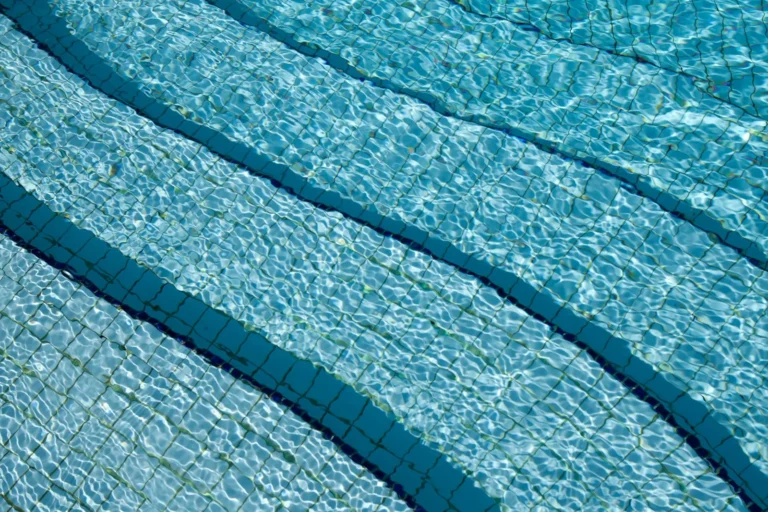
Solar covers — also called bubble covers because they look like sheets of heavy-duty bubble wrap — are the least expensive way to cover a pool, at roughly $0.15 to $0.50 per square foot. A 16-by-32-foot pool (512 square feet) needs a cover that runs about $75 to $250.
Their job is heating, not safety. The bubbles trap solar energy and reduce evaporation, which can raise water temperature by 5 to 10 degrees and cut chemical loss meaningfully. What they will not do is hold the weight of a child or a pet, so treat them as an energy device, not a barrier. They typically last three to five years before the plastic degrades under UV exposure.
Photo by Pixabay via Pexels
Winter Covers: Seasonal Protection on a Budget
A standard winter cover is a heavy polyethylene tarp held in place by water bags or a cable-and-winch system that wraps the pool’s edge. Expect $0.30 to $2.00 per square foot for the cover itself. Most people buy a rectangular tarp a few feet larger than the pool and trim it, which keeps a 500-square-foot project under $500.
Fitted winter covers made to your pool’s exact shape cost more per square foot because they are custom-cut and use heavier stitching and reinforced seams. The trade-off is worth it if you live somewhere with heavy snow loads or lots of falling leaves.
Mesh and Solid Safety Covers: The Mid-Range Standard
Safety covers are what most professionals recommend for year-round use, and they run $2 to $6 per square foot for materials alone. They anchor to brass or aluminum hardware set into the pool deck and are engineered to support a specific weight, which is what makes them a genuine safety barrier rather than just a shield against debris.
Two styles dominate:
- Mesh safety covers let rainwater and melted snow drain through while blocking leaves and debris. They are lighter, easier to handle, and slightly cheaper per square foot.
- Solid safety covers block both water and debris, which means you also need a cover pump to remove standing water. They cost a little more per square foot but keep the pool cleaner over winter.
Automatic Covers: Maximum Cost, Maximum Convenience
Automatic covers use a motor-driven reel, usually hidden under a bench or coping at one end of the pool, to roll a fabric cover across the water at the touch of a button. Installed, they run $12 to $25 or more per square foot, which puts a typical 500-square-foot pool in the $6,000 to $15,000 range — and custom shapes or long track runs push that higher.
The price buys three things: the heavy-duty vinyl or mesh fabric, the motor and track system, and the labor to build it into the pool. Because the track is usually integrated into the pool structure, automatic covers are cheapest to add during new construction and noticeably more expensive to retrofit. If you are planning a new build, it is worth folding this into your inground pool installation cost discussion early, since retrofitting later almost always costs more.
What Determines the Price Per Square Foot
Several factors move the per-square-foot number up or down, sometimes more than the cover type itself.
Pool Shape and Size
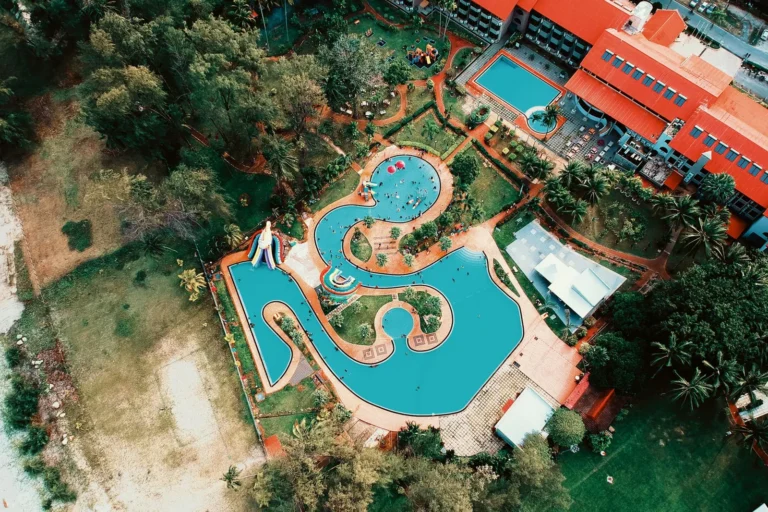
Standard rectangular pools are the cheapest to cover because manufacturers can cut covers to stock dimensions. Freeform, L-shaped, or kidney-shaped pools require custom patterns, which adds 20% to 50% to the material price. Odd shapes also generate more scrap waste, which you still pay for by the square foot.
Material Thickness and Warranty
Heavier fabrics cost more per square foot but last longer. A 12-mil solid safety cover will outlast an 8-mil version by several years, which matters when replacement labor is part of the cost. Longer warranties — 15 or 20 years versus 10 — typically track directly with a higher per-square-foot price.
Anchor Type and Deck Condition
Safety and automatic covers need anchors drilled into the deck. Concrete and paver decks are straightforward; wood decks, tile coping, or decks with odd edges add drilling time and sometimes require specialty hardware. Every hour of extra labor raises the effective cost per square foot.
Region and Season
Labor rates vary by market, and cover installers book up fast in late summer and early fall. Scheduling work in the shoulder season — early spring or late winter — can trim installation quotes by 10% or more in some regions.
Installation Costs: What You’ll Pay a Pro
Material is only part of the bill. Here is what labor typically adds, by cover type:
- Solar cover: essentially zero — it is a roll-out DIY product most people cut to size with scissors.
- Winter cover: $100 to $300 if you want a pro to measure, trim, and anchor it, though most homeowners do this themselves.
- Safety cover: $500 to $2,000 in labor, driven by the number of anchors drilled and the deck material.
- Automatic cover: $2,000 to $6,000 in labor and system work, since the reel, track, and electrical connection all have to be installed and calibrated.
Photo by Pixabay via Pexels
Because labor does not scale down with pool size the way materials do, small pools carry a higher effective cost per square foot once installation is included. A 300-square-foot automatic cover still needs the same motor, the same track, and roughly the same number of work hours as a 600-square-foot one.
If you are still deciding between an inground and an above-ground pool, note that cover costs differ sharply — the comparison is covered in our inground pool vs. above-ground pool cost guide, and above-ground pools generally accept simpler, cheaper covers.
How to Cut Your Pool Cover Cost Per Square Foot
You do not have to pay top dollar to get a cover that does its job. The most reliable ways to lower your per-square-foot cost:
- Buy off-season. Cover prices and installer availability both improve in late winter and early spring.
- Measure twice, order once. A mis-measured custom cover cannot be returned and has no resale value.
- Skip the automatic upgrade on small pools. The fixed cost of the motor and track dominates, so the per-square-foot math rarely favors automation below about 400 square feet.
- Choose mesh over solid. Mesh drains naturally and avoids the added cost of a cover pump and ongoing pumping labor.
- Bundle with other work. If you are already having the deck repaired or the pool resurfaced, ask the contractor to set anchors at the same time for a lower combined rate.
- Compare three quotes. Safety and automatic cover pricing varies more between installers than most pool work, so a second and third bid usually pays for itself.
None of these shortcuts mean cutting the cover quality itself. A safety cover’s weight rating and warranty are the two specs you should never trade away to save a few dollars per square foot.
Frequently Asked Questions
How much does a pool cover cost for a 500 square foot pool?
For a 500-square-foot pool, expect roughly $75 to $250 for a solar cover, $250 to $1,500 for a winter cover, $3,000 to $6,000 for an installed safety cover, and $6,000 to $15,000 or more for an automatic cover, depending on shape, deck, and your local labor market.
Is a pool cover worth the cost?
For most homeowners, yes. Covers cut evaporation by up to 70%, reduce chemical use, keep out debris, and — in the case of safety covers — add a real safety barrier. The U.S. Department of Energy notes that covers can cut pool heating costs by 50% to 70%, which often pays for a solar or winter cover within a season or two.
What is the cheapest pool cover option?
A solar bubble cover is the cheapest, at roughly $0.15 to $0.50 per square foot. It heats water and slows evaporation but provides no safety protection and typically lasts only a few years.
How long do pool covers last?
Solar covers last about three to five years, winter tarps five to eight years, mesh and solid safety covers 10 to 15 years, and automatic cover fabric roughly 7 to 10 years before the fabric needs replacement, even though the track and motor can last decades.
Can I install a safety cover myself?
Anchor installation is possible for a confident DIYer with the right drill and masonry bits, but most manufacturers require professional installation to keep the warranty valid. For automatic covers, professional installation is essentially mandatory because of the motor, track, and electrical work involved. This Old House offers a useful breakdown of what professional installation involves.
The Bottom Line
The pool cover cost per square foot you pay depends on which of four very different products you actually need. A solar cover keeps the heat in for pennies per square foot; an automatic safety cover delivers convenience and protection at a premium. In between sit winter covers and mesh or solid safety covers, which cover the needs of most homeowners at a reasonable per-square-foot price.
Before you buy, settle the core question: are you solving for heat retention, debris control, safety, or all three? Match the cover to that answer, get measurements precisely right, and compare bids. If you are still weighing pool types, our above-ground pool cost installed and fiberglass pool cost vs. concrete guides cover the bigger-picture costs. A well-chosen cover is one of the few pool purchases that genuinely pays for itself — usually within a season or two.