Above Ground Pool Installation Cost: What You’ll Really Pay in 2026
The above ground pool installation cost most homeowners end up paying lands between $1,500 and $8,000, with a national average of roughly $3,000 to $3,500 for a professionally installed round or oval pool in a typical suburban backyard. That number covers the kit, delivery, a level site, sand or foam base, and the labor to assemble and plumb the pool — but it almost never tells the whole story.
What the average doesn’t show is how fast the price climbs once you factor in the things most quotes treat as extras: leveling a sloped yard, running a dedicated electrical line for the pump, adding a safety fence, and building even a small deck. These add-ons regularly double the base number.
This guide breaks down the real above ground pool installation cost piece by piece — what each component costs, where installers add margin, and where you can safely trim without cutting corners. By the end, you’ll know exactly what to expect on your own quote.
Above Ground Pool Installation Cost: The 2026 Numbers
Most homeowners buy an above ground pool as a package, which is why prices get quoted as a single installed figure. Here’s the realistic range across the market in 2026:
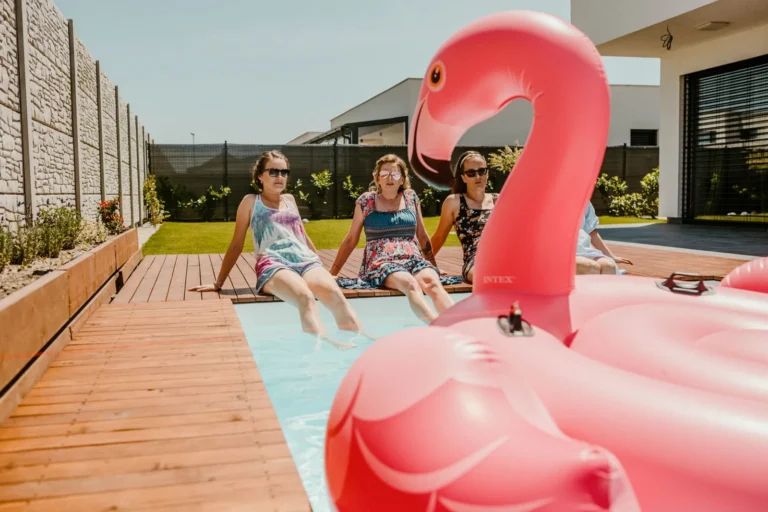
- Budget frame and inflatable pools (Intex, Bestway): $200 to $900, installed mostly DIY in a weekend.
- Steel-wall round pools (12–24 feet): $1,500 to $4,500 installed, depending on size and the installer.
- Resin and hybrid pools (15–33 feet): $3,000 to $8,000 installed, including better liners and taller walls.
- Semi-inground pools: $8,000 to $20,000 installed, since these sit partially in a dug hole and need real excavation.
According to HomeAdvisor (now part of Angi), the typical homeowner spends about $3,500 on a complete above ground pool installation, though the figure swings widely by region. Labor in the Northeast and the West Coast often runs 20–30% higher than in the Southeast or Midwest, purely because of local contractor rates and permit requirements.
Photo by Evgenia Basyrova via Pexels
What’s Included in a Typical Installation Quote
Not every installer bids the same way, which is the single biggest reason two neighbors can pay wildly different prices for what looks like the same pool. A complete quote should itemize these five line items:
- Pool kit: the walls, liner, pump, filter, ladder, and skimmer.
- Delivery: $150 to $400 depending on distance, sometimes rolled into the kit price.
- Site prep: clearing, leveling, and a sand or foam base, usually $300 to $2,000.
- Assembly and plumbing: $500 to $1,800 of labor for most standard pools.
- Electrical: $300 to $1,500 to add a GFCI outlet near the pool if one isn’t already there.
When a quote is suspiciously low, read it line by line. Installers competing on price will often omit the sand base, the bonding wire, or the permit fee, then add them back as “unforeseen” costs after the hole is already dug.
Above Ground Pool Installation Cost by Pool Type
Pool construction has moved well past the flimsy metal-frame kits of the 1990s. The material of the wall and the quality of the liner now drive most of the price difference, so it’s worth understanding what each tier actually buys you.
| Feature | Steel Wall | Resin / Hybrid | Semi-Inground |
|---|---|---|---|
| Typical kit cost | $800–$3,000 | $1,500–$5,000 | $4,000–$12,000 |
| Installation labor | $1,000–$2,500 | $1,000–$2,500 | $3,000–$8,000 |
| Site prep | $500–$2,000 | $500–$2,000 | $1,000–$4,000 |
| Expected lifespan | 15–25 years | 20–30 years | 25–40 years |
| Best for | Tight budgets, first pools | Humid or coastal climates | Sloped yards, resale value |
Steel-wall pools remain the value pick. Resin pools cost more up front but resist corrosion, which matters a lot if you live near salt water or run a salt-chlorine system. Semi-inground pools blur the line toward inground territory — if you’re spending in that range, compare against our inground pool installation cost breakdown before committing.
Site Preparation: The Cost Most Quotes Leave Out
Leveling is where above ground pool installers make or lose money, and where homeowners get surprised. An above ground pool is unforgiving about slope: the industry standard is no more than one inch of variation across the entire footprint. Any more than that and the water puts uneven pressure on the walls, which shortens the pool’s life and can even collapse it.
Here’s what site prep typically costs:
- Clearing and grass removal: $200 to $600.
- Basic leveling (sod and shallow fill): $300 to $800.
- Serious leveling (2+ inches of slope, compacted fill): $800 to $2,000.
- Retaining wall or block work for steep yards: $1,500 to $4,000.
- Sand or foam cove and base: $100 to $400.
A yard that looks flat to the eye is often out by two or three inches across 24 feet, which is enough to matter. Smart installers shoot the grade with a laser level before quoting; if yours doesn’t, ask for that step in writing.
Labor vs. DIY: Where You Actually Save Money
Installing an above ground pool yourself can cut the total bill by $1,000 to $2,500, but only on certain parts of the job. The realistic DIY sweet spot looks like this:
- Do it yourself: site prep, base, frame and liner assembly, ladder, and cover.
- Pay a pro: electrical work, and any leveling that requires heavy equipment or a retaining wall.
- Split the difference: buy the kit, hire a two-person crew just for the liner drop and wall assembly.
Most above ground pool kits are genuinely DIY-friendly — manufacturers like Doughboy, Sharkline, and Radiant design them for weekend assembly, and a 15-foot round pool can go up in a day with two people. The liner, though, is the part people botch. Wrinkles, a shifted cove, or a liner stretched in the sun are expensive to fix, so if you’re going to pay for anything, pay for the liner and the electrical.
If you’re trying to decide between doing it yourself and hiring out the whole job, our above ground pool cost installed guide walks through exactly where the labor dollars go.

Photo by Armin Rimoldi via Pexels
Extra Features That Push the Price Up
The pool itself is rarely the expensive part. These add-ons are what turn a $3,000 project into an $8,000 one, so budget for them from day one:
- Deck or patio surround: $2,000 to $8,000, or $15–$40 per square foot.
- Safety fence or locking ladder gate: $1,500 to $4,000 — and in most municipalities, it’s not optional.
- Pool heater: $1,500 to $3,500 installed for a gas or heat-pump unit.
- Salt-chlorine generator: $500 to $1,500, and often worth it long-term.
- Upgraded pump and sand filter: $300 to $800 over the stock unit.
- Automatic cover: $1,000 to $3,000.
None of these are required on day one, which is the good news. Buy the pool with a quality base and liner now, then add the heater and deck in later seasons as the budget allows.
How to Keep Your Above Ground Pool Installation Cost Down
You don’t have to sacrifice quality to control the price. These moves reliably save $1,000 or more:
- Buy the pool in the off-season. Prices drop 15–30% from late September through February, and installers offer discounts to fill slow calendars.
- Do your own site prep. Renting a sod cutter and leveling a reasonably flat yard yourself can save $500–$1,500.
- Compare three itemized quotes. Never accept a lump-sum number without a line-item breakdown.
- Ask about package deals. Many dealers bundle the liner, pump, filter, and ladder at a meaningful discount over buying separately.
- Skip the deck for now. A simple ladder and a level base cost a fraction of a wrap-around deck.
Before you lock in any above ground quote, it’s worth one more comparison against the alternative — our inground pool vs above ground pool cost piece lays out the lifetime numbers side by side, and you might be surprised how close they get on a big enough yard.
Frequently Asked Questions
How much does it cost to install an above ground pool?
A professionally installed above ground pool typically costs between $1,500 and $8,000, with most homeowners paying around $3,000 to $3,500 for the kit, site prep, and labor. Larger resin pools and semi-inground models push the total toward $10,000 or more.
Can I install an above ground pool myself?
Yes. Most steel-wall and resin kits are designed for weekend DIY assembly and can save you $1,000 to $2,500 in labor. The two exceptions worth hiring out are the electrical connection and the liner installation, which are easy to get wrong and expensive to fix.
Do I need a permit for an above ground pool?
In most areas, yes. Many municipalities require a permit for any pool over 24 inches deep, plus a compliant safety barrier. Permit fees typically run $50 to $300, and a reputable installer will handle the paperwork as part of the job.
How long does an above ground pool last?
A well-maintained above ground pool lasts 15 to 25 years for steel-wall models and 20 to 30 years for resin models. The liner, however, usually needs replacing every 8 to 12 years at a cost of $400 to $1,200.
What is the cheapest way to get an above ground pool?
Buy a round steel-wall kit in the off-season, do your own leveling and base prep, and hire out only the liner and electrical. That combination routinely lands a complete pool in the $1,500 to $2,500 range — less than half the price of a full turnkey installation.
The Bottom Line
The above ground pool installation cost is one of the best values in home improvement — a complete backyard pool for roughly the price of a mid-range kitchen appliance, versus $50,000 or more for an inground build. The key to keeping it that way is knowing what’s included, because the base number and the final bill are rarely the same thing.
Get three itemized quotes, budget for site prep and a safety fence from the start, and buy in the off-season if you can. If you’d like a more detailed look at specific builders and materials before you commit, our fiberglass pool cost vs concrete comparison and our above ground pool cost installed guide are the natural next reads.
For current material pricing and labor rates in your zip code, Angi’s above ground pool cost guide and This Old House’s installation walkthrough are both solid, regularly updated references.