Fire Pit Cost: What You’ll Actually Pay in 2025
The fire pit cost you’ll face depends almost entirely on three things: what the pit is made of, how it’s fueled, and whether you build it yourself or hire it out. A basic wood-burning steel bowl costs about $75 at any big-box store, while a custom gas-fed masonry fire feature with built-in seating can push past $10,000.
Most homeowners land somewhere in the middle. The national average for a professionally installed fire pit sits around $850, with the typical project running $300 to $1,400 depending on material and fuel type. The single biggest cost lever is fuel: a gas line run can add more than the pit itself.
Below, we’ve broken down real 2025 pricing by type, fuel, material, and install method, plus the hidden costs that catch people off guard. Use these numbers to price your build before you break ground.
What Does a Fire Pit Cost? Real Numbers by Project
These figures are installed-ready numbers for the pit itself, not counting the ground prep, seating, or fuel line we cover further down.
| Option | Typical Cost | Fuel | Best For |
|---|---|---|---|
| Prefab steel or copper bowl | $50–$500 | Wood | Renters, small budgets |
| DIY paver or stone kit | $200–$1,200 | Wood | Weekend DIYers |
| Gas or propane insert | $400–$3,000 | Propane / natural gas | Low-mess, instant fires |
| Custom masonry build | $1,500–$7,000+ | Any | Permanent backyard centerpiece |
The low end of each range assumes you do at least part of the work yourself. The high end assumes skilled labor, a permanent fuel line, or both.
Fire Pit Cost by Type
Portable and Prefab Pits
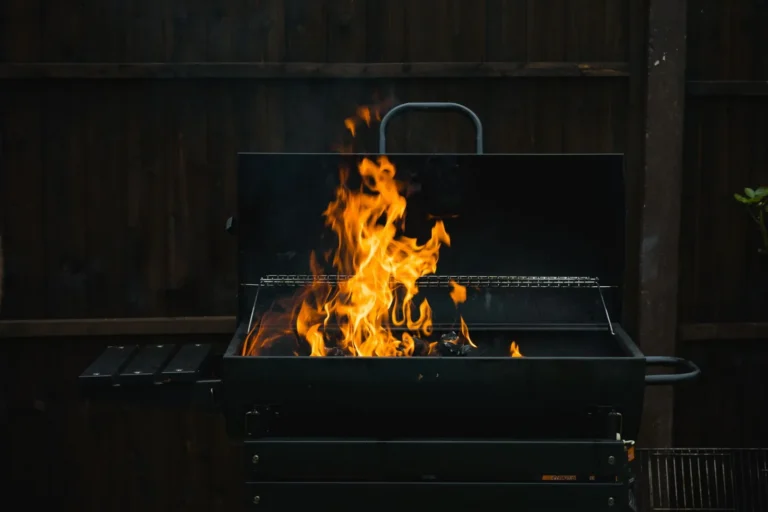
A freestanding fire pit is the cheapest way to add a fire feature. Steel bowl pits run $50 to $150, while hammered copper and cast iron bowls from brands like Solo Stove and Breeo cost $200 to $500. These need no installation at all — set one on a level, non-combustible surface and you’re done.
The trade-off is durability. Thin steel bowls rust within a season or two if left uncovered. Thicker steel and copper models last far longer and hold heat better, which is why their price lands two to three times higher.
DIY Kits
Paver and stackable-stone fire pit kits run $200 to $1,200 and are the most popular route for homeowners who want a permanent pit without paying a mason. The kit usually includes the retaining blocks and a metal fire ring or insert; you supply the gravel base, landscape fabric, and half a day of labor.
Most kits assemble without mortar. That keeps the project approachable, but it also means the blocks can shift if you skip the leveling step. A properly prepared base is the difference between a kit that lasts a decade and one that leans after the first winter.
Custom Built-In Pits
A custom masonry fire pit — stone veneer, a poured concrete cap, maybe a built-in bench around it — runs $1,500 to $7,000 or more. You’re paying for materials, a gas line if the design calls for one, and skilled labor at roughly $50 to $100 an hour.
This is where the fire pit cost stops being about a product and starts being about a small construction project. To see how it fits a larger backyard plan, read our outdoor kitchen cost per linear foot breakdown.
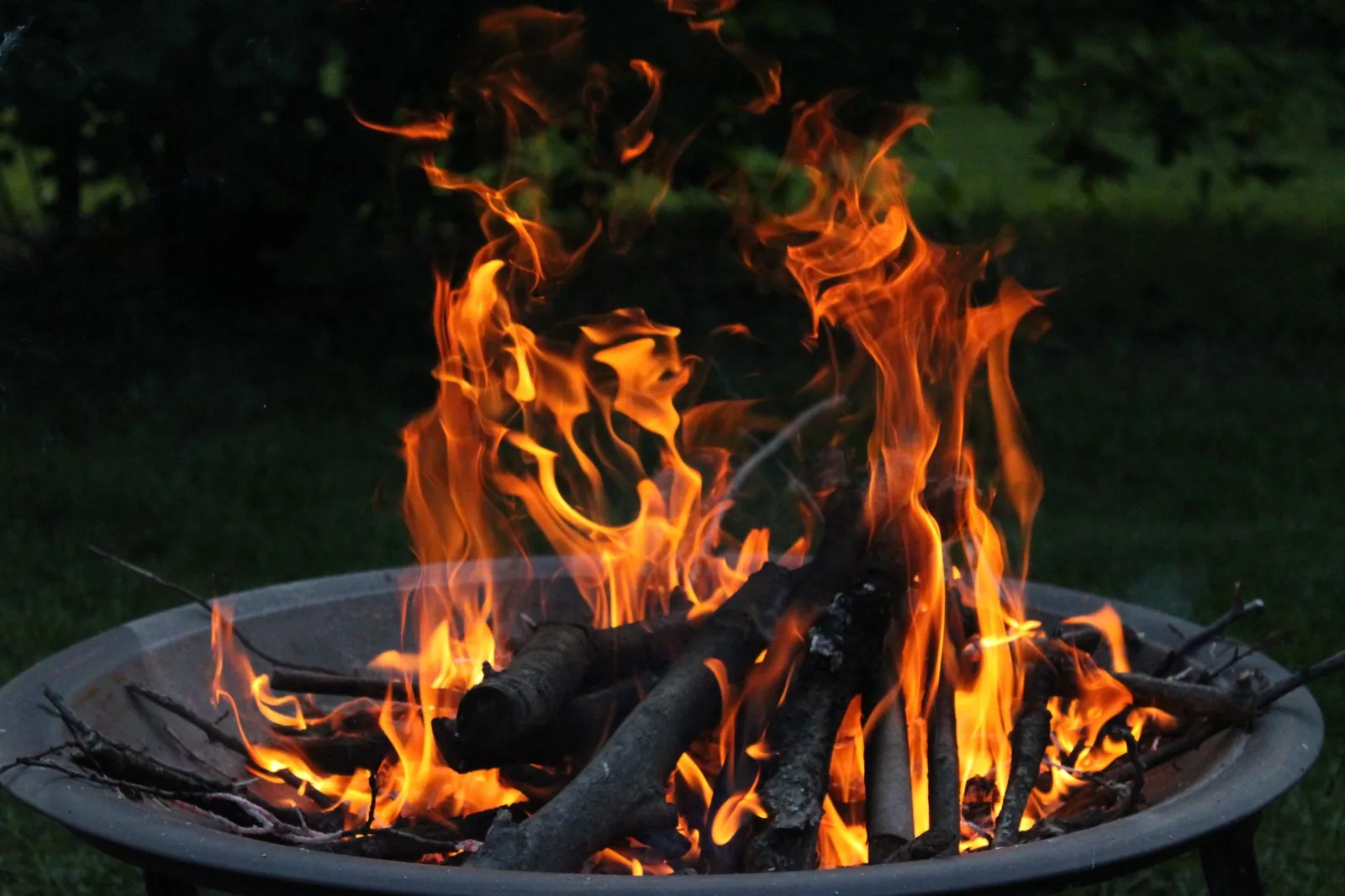
Photo by Paul Pond via Pexels
Fire Pit Cost by Fuel Source
Wood-Burning
Wood is the cheapest fuel to run — often free if you already have a woodpile — and the cheapest pits to buy, at $50 to $1,500 for the pit itself. Budget a spark screen ($30 to $80) and a firewood rack, and account for the time and mess of ash cleanup after every burn.
Propane
Propane pits cost $300 to $3,000 and light with the turn of a knob, which is why they dominate patio builds. The hidden line item is the tank: a 20-pound tank costs $40 to $60, plus $20 to $30 per refill, and you’ll either hide it in a table base or run a buried line to a remote tank.
Natural Gas
Natural gas pits cost $400 to $5,000 and never run out of fuel, but they need a permanent gas line. Running that line costs $15 to $25 per linear foot — roughly $300 to $750 for a typical backyard distance — and it must be done by a licensed plumber with a permit. If you’re also adding a pizza oven, a shared gas line makes both cheaper; see our pizza oven cost to build guide for the numbers.
Fire Pit Cost by Material
Steel and Cast Iron
Steel pits are the budget default at $50 to $500. Powder-coated steel resists rust better than bare steel, and cast iron holds heat longer but is heavy and can crack if dropped. Choose this material when you want a fire tonight and don’t care about permanence.
Stone and Paver
Natural stone and concrete pavers cost $15 to $40 per square foot in materials, which puts a typical 4-foot pit at $500 to $2,000 including the fire ring. Stone reads as the most “built-in” of any material and weathers better than steel, but it’s the heaviest option to DIY.
Copper
Copper is a premium look at $200 to $800 for a bowl, and it develops a patina over time that many homeowners love. It’s thinner than steel, so it’s more decorative than a primary heat source for a large group.
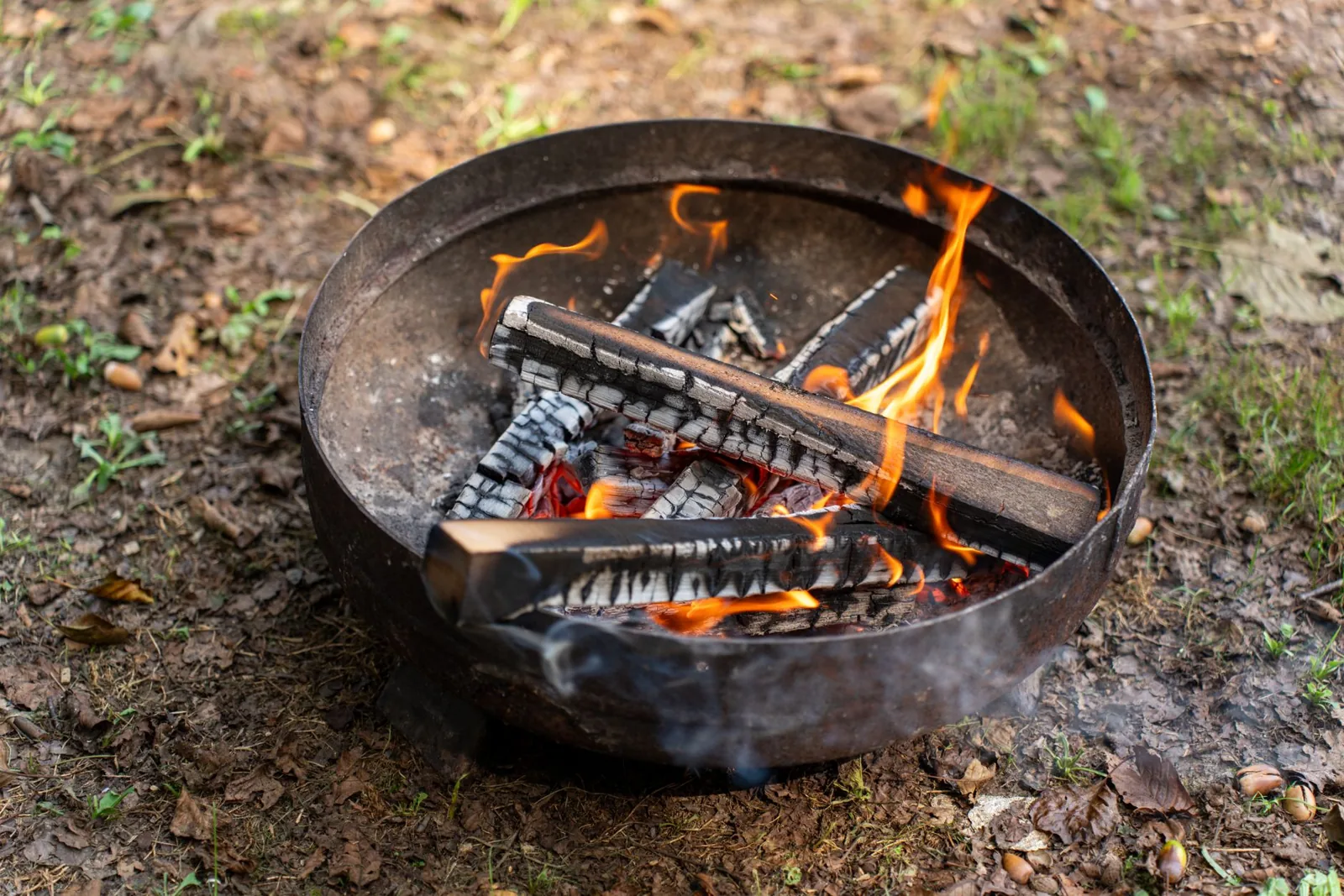
Photo by Vladimir Srajber via Pexels
DIY vs. Professional Installation
The labor line is the easiest place to cut — or add — $1,000 to your fire pit cost.
A DIY build (kit, gravel base, and a weekend) runs $200 to $1,200 total. A pro installation adds $200 to $500 for a simple prefab or kit setup, and $1,000 to $4,000 or more for a custom masonry or gas-line project. Landscapers and masons typically charge $50 to $100 an hour, and a gas line install usually needs its own plumber and permit on top of that.
If your project touches gas or electrical, hire a pro regardless. A botched gas connection is a safety hazard, not a savings opportunity. For a full rundown of what the labor actually involves, read our fire pit installation cost guide.
Hidden Fire Pit Costs to Budget For
- Ground prep. A level gravel or paver base runs $50 to $200 in materials.
- Seating. Built-in bench walls add $1,000 to $3,000; Adirondack chairs run $100 to $300 each.
- Permits. Many municipalities require a permit for a permanent or gas-fed pit, at $50 to $300.
- Fuel storage. Firewood racks run $30 to $150; hiding a propane tank adds $100 to $400.
- Covers and screens. A weather cover ($25 to $100) and a spark screen extend the life of the pit.
- Long-term fuel. Budget $200 to $500 a year for propane or seasoned firewood if you use the pit weekly.
Frequently Asked Questions
How much does it cost to install a fire pit?
Installing a fire pit averages about $850 for the pit plus labor, with most projects landing between $300 and $1,400. Prefab setups cost less; custom masonry and gas-line work push the total past $5,000.
Is a fire pit a good investment?
A well-built fire pit can return roughly 60% to 80% of its cost in home value and consistently ranks among the top outdoor features buyers want, according to the National Association of Realtors. It’s more of a lifestyle buy than a pure investment.
Does a fire pit increase home insurance?
It can. Some insurers raise premiums or require the pit to sit a set distance from the house. Check with your agent before you build a permanent or gas-fed pit.
What is the cheapest way to build a fire pit?
A DIY paver kit with a steel fire ring is the cheapest permanent option at $200 to $500. A portable steel bowl at $50 to $100 is cheapest if you don’t need it built in.
How far should a fire pit be from the house?
Most building codes and manufacturers recommend at least 10 to 20 feet from structures and overhanging trees, on a non-combustible surface. Check your local code, since it varies by municipality.
The Bottom Line
Most homeowners should budget $850 to $1,400 for a quality fire pit that lasts, and accept that fuel choice moves the number more than almost anything else. A $300 wood kit delivers real fire for less, while a $3,000 gas insert delivers convenience. Figure out whether you’re buying a product or commissioning a small construction project, and price accordingly.
Ready to plan the rest of the space? Our guides on outdoor kitchen cost per linear foot and fire pit installation cost walk through the full scope. For the build itself, This Old House has detailed step-by-step builds for a DIY stone pit, and Family Handyman is a solid reference for gas line and fire safety requirements.