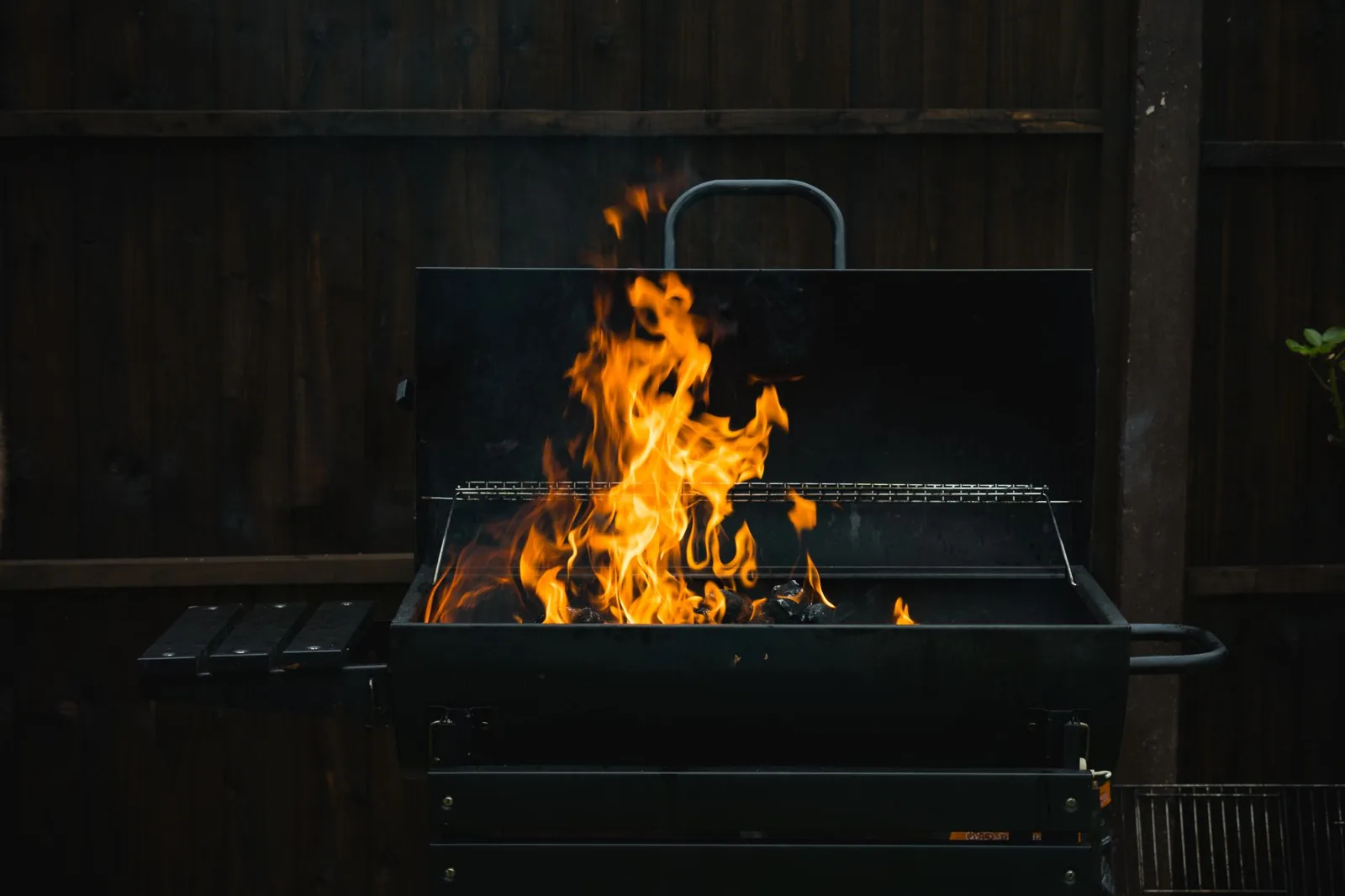
Gas vs Charcoal Fire Pit: Which Is Right for Your Backyard?
The gas vs charcoal fire pit decision comes down to one question: do you want a flame you can turn on with a switch, or a real wood-burning fire you tend with your hands? Both have loyal fans, and both have real trade-offs. A gas fire pit gives you instant heat, zero smoke in your face, and cleanup that takes seconds. A charcoal fire pit gives you the crackle, the smell, and the chance to cook over live coals. The right choice depends on how you plan to use it, how much you want to spend, and how much maintenance you’re willing to tolerate.
In this guide, we break down the cost to buy, the cost to run, smoke and flavor, maintenance, and local rules so you can pick the fire pit that actually fits your life. We also cover installation costs if you’re going the built-in route, because a permanent fire feature is a different project than a bowl you drag out of the garage.
What’s the Real Difference?
A gas fire pit burns either natural gas (from a utility line) or liquid propane (from a refillable tank). You turn a valve, hit an igniter, and you have a fire. Turn it off and it’s gone. There’s no kindling, no waiting, and no ash to shovel the next morning.
A charcoal fire pit runs on lump charcoal or briquettes. You light it with a chimney starter or lighter fluid, wait 15 to 20 minutes for the coals to ash over, and then you have a bed of glowing embers that throws steady, radiant heat. When you’re done, the fire keeps smoldering until it burns out, and you’re left with a pile of ash to dispose of.
Here’s the side-by-side comparison:
| Feature | Gas Fire Pit | Charcoal Fire Pit |
|---|---|---|
| Startup time | Instant, push-button | 15–20 minutes to light and ash over |
| Heat control | Dial up or down instantly | Manage by adding or spreading coals |
| Smoke | Minimal, no sparks | Smoke and sparks are part of the deal |
| Flavor/cooking | Good for s’mores, no smoke flavor | True charcoal-grilled flavor |
| Cleanup | Wipe down, none to little ash | Empty ash pan after every use |
| Fuel cost (per 2-hour evening) | $1.50–$3.00 (natural gas) | $4–$8 (a full chimney of lump charcoal) |
| Upfront cost (portable) | $80–$400 | $40–$300 |
| Upfront cost (built-in) | $1,500–$5,000+ installed | $800–$3,000+ installed |
The table tells the short story: gas wins on convenience and cleanliness, charcoal wins on atmosphere and that unmistakable wood-smoke character. Neither is strictly “better” — they’re better at different things.
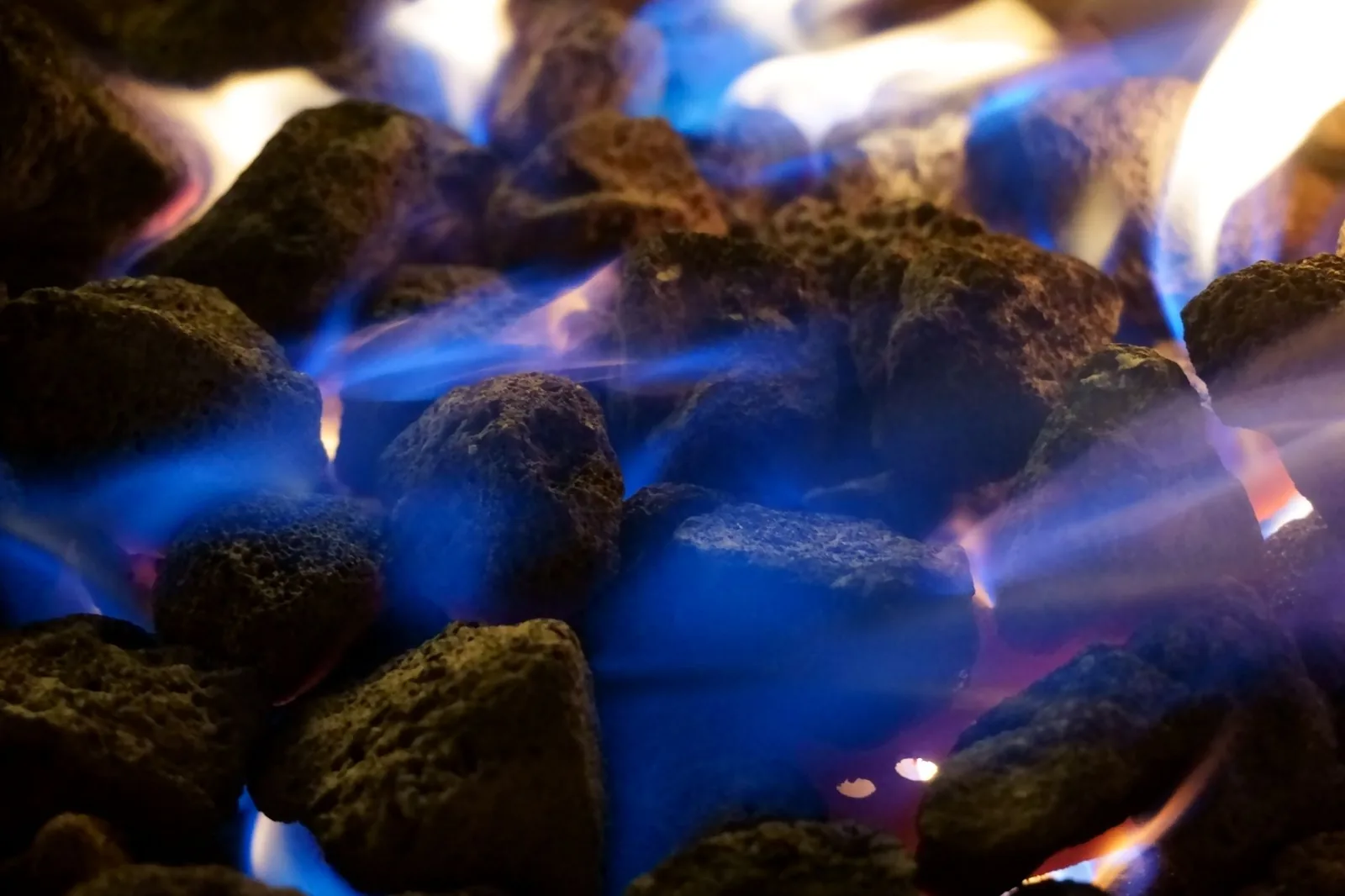
Photo by Budget Bizar via Pexels
What It Costs to Buy and Install
Portable units are the cheap entry point on both sides. A basic steel charcoal fire bowl from brands like Sunnydaze or Solo Stove’s budget line runs $40 to $150, while a quality smokeless stainless unit like the Solo Stove Bonfire costs $250 to $400. Gas fire tables and columns from brands like Outland Living, Bond Manufacturing, or Bali Outdoors start around $80 for a basic propane table and climb past $1,500 for larger models with glass wind guards and decorative media.
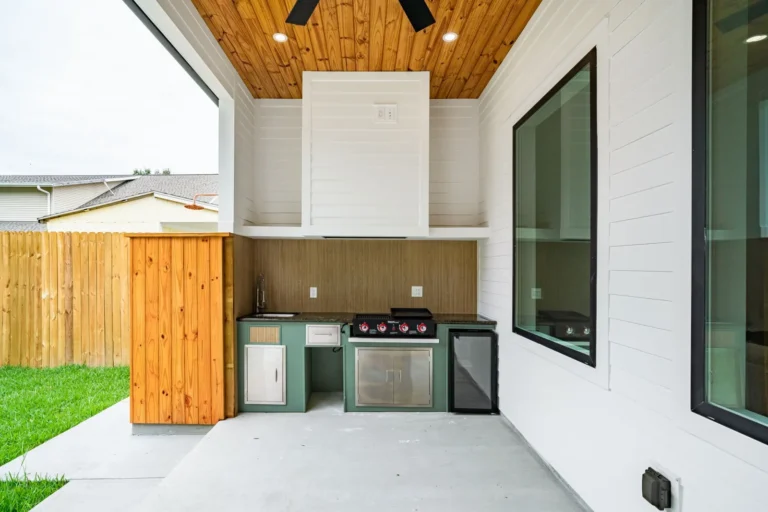
Built-in fire pits are where the price gap widens. A masonry or paver charcoal fire pit you build yourself can come in under $800 in materials — fire brick, gravel, and wall block — though most homeowners hire it out. If you’re comparing options for a permanent outdoor setup, a built-in gas fire pit typically runs $1,500 to $5,000 once you add the burner kit, gas line, and labor. For a full picture of what a permanent feature adds to your project, see our breakdown of fire pit installation cost.
The hidden cost on the gas side is the gas line. If you already have natural gas plumbed to the house and you want a permanent fire pit, an installer usually charges $200 to $500 to run a line to the patio. If you don’t have natural gas at all, you’ll be on propane, which means either a 20-pound tank you swap at the hardware store or a larger buried tank.
What It Costs to Run
Fuel is where gas quietly wins over the long haul. Natural gas is the cheapest way to keep a fire burning. At current national averages, a typical 65,000-BTU fire pit burner uses roughly 0.65 therms per hour, which lands around $0.75 to $1.50 per hour depending on your utility rate. A two-hour evening on natural gas costs $1.50 to $3.00.
Propane costs more because you’re buying it by the tank. A 20-pound tank holds about 430,000 BTUs, and a fire pit burner pulling 50,000 to 65,000 BTUs per hour will drain that tank in roughly 7 to 9 hours of burn time. At $20 to $25 per tank exchange, that works out to $2.50 to $3.50 per hour.
Charcoal is the priciest fuel of the three, and it catches people off guard. A 15-pound bag of quality lump charcoal like Jealous Devil or Fogo runs $25 to $40, and a serious fire-pit session can burn through half a bag. Figure $4 to $8 for a single evening, more if you’re cooking. Briquettes are cheaper per pound but burn with more ash and less heat per dollar than good lump.
Smoke, Flavor, and the Cooking Question
This is where most people make their real decision. A gas fire pit produces almost no smoke, which means no smoke following you around the circle, no clothes that smell like a campfire, and no complaints from neighbors whose windows face your patio. That’s the single biggest reason urban and suburban homeowners pick gas.
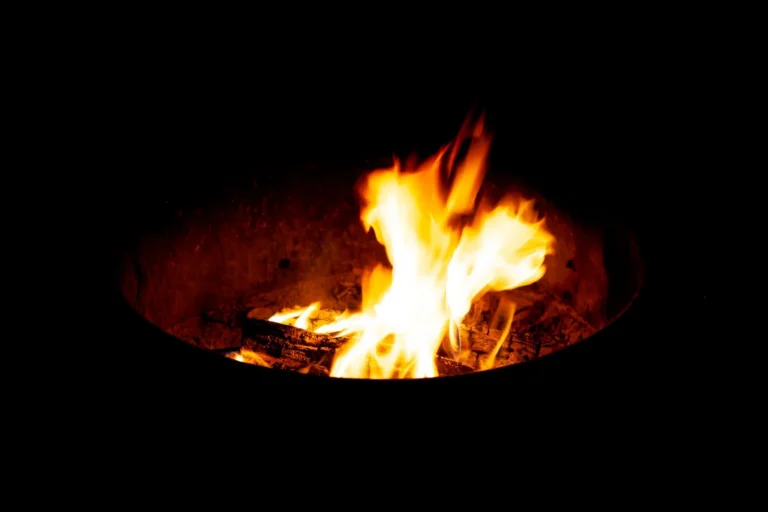
A charcoal fire pit produces real smoke, real sparks, and a genuine wood-fire smell. For a lot of people, that’s the entire point. There’s no substitute for the glow of actual coals and the sound of wood settling into embers.
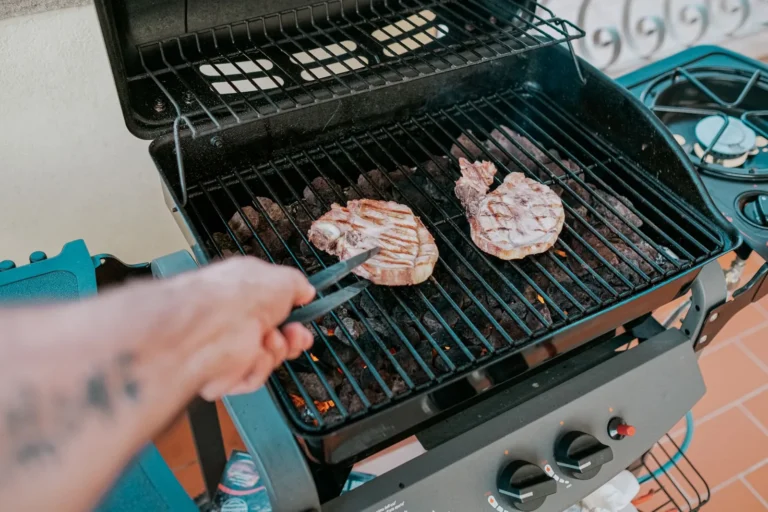
The cooking angle tips heavily toward charcoal. If you want to grill burgers, roast corn, or cook a cast-iron Dutch oven over your fire pit, charcoal gives you the even, high radiant heat you need, plus the smoke flavor gas can’t fake. You can cook over a gas fire pit — s’mores and hot dogs work fine — but you won’t get that charred, smoky crust. If you’re picturing regular outdoor cooking and entertaining, charcoal or a dedicated grill is the better play. Gas is the better play if the fire pit is mostly for warmth and looks.
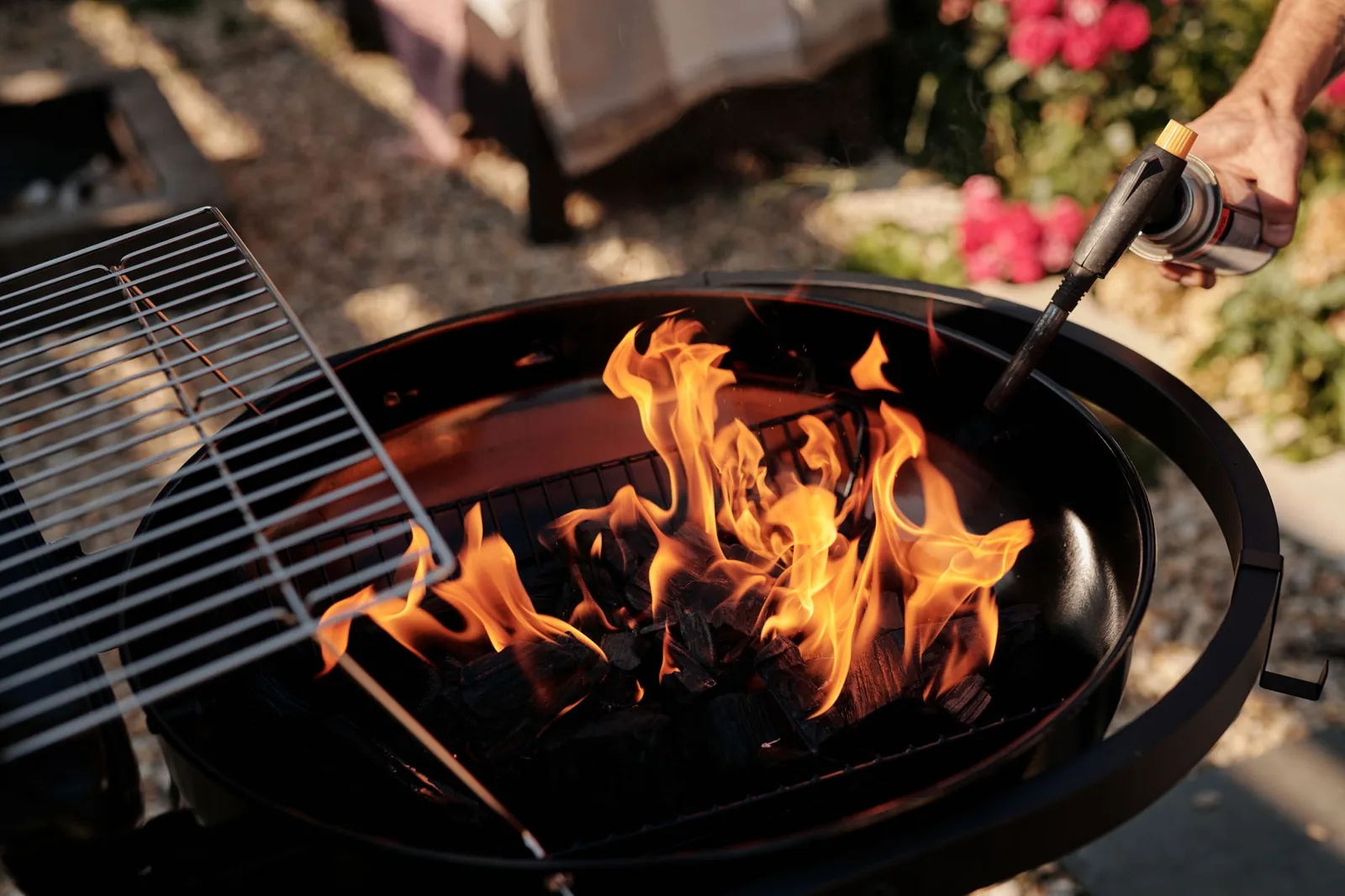
Photo by Askar Abayev via Pexels
Maintenance and Cleanup
Gas fire pits are the low-effort option. You wipe down the burner occasionally, check the hose and fittings for leaks with a soapy-water test once a season, and replace the lava rock or glass media when it gets dirty. That’s about it. Propane users add one chore: remembering to swap or refill the tank before a gathering.
Charcoal fire pits need attention after every single use. You wait for the coals to fully burn out and cool — which can take hours — then scoop out the ash and dispose of it safely. Skip that and ash builds up, holds moisture, and rusts out the bowl from the inside. A charcoal fire pit that isn’t emptied regularly will fail in a few seasons. The U.S. Fire Administration recommends disposing of cooled ashes in a metal container with a tight lid, never in a plastic bin or trash bag, because coals can stay hot far longer than they look.
Safety and Local Rules
Both fire pits carry fire risk, and the rules around them are getting tighter in dry regions. Gas and charcoal units alike should sit on a non-combustible surface, at least 10 feet from structures and overhanging branches, and never be left unattended. Check your local burn bans before lighting anything: many Western counties restrict wood and charcoal fires during fire season but allow gas appliances with a shut-off valve.
Gas has one specific safety edge — instant off. You close the valve and the fire stops. Charcoal requires you to either let it burn out or snuff it with a lid or sand. For homes in wildfire-prone areas, that shut-off valve is often the reason a gas fire pit passes local code while a charcoal one doesn’t.
Frequently Asked Questions
Which is cheaper to run, gas or charcoal?
Natural gas is cheapest at roughly $1.50 to $3.00 for a two-hour evening. Propane runs $2.50 to $3.50 per hour, and charcoal is the most expensive at $4 to $8 per session, more if you cook.
Do gas fire pits give off enough heat?
Yes. Most gas fire pit burners produce 40,000 to 65,000 BTUs, which comfortably heats a seating circle of six to eight people on a cool evening. Charcoal throws more radiant heat per dollar in the first hour, but gas heat is steadier and adjustable.
Can I cook on a gas fire pit?
You can toast marshmallows and heat simple food, but you won’t get charcoal’s smoke flavor or even searing heat. If cooking is a priority, charcoal — or a separate grill — is the better choice.
How long does a tank of propane last in a fire pit?
A 20-pound propane tank holds roughly 430,000 BTUs, enough for about 7 to 9 hours of burn time on a typical 50,000-BTU burner. Heavy users may swap a tank every three to four gatherings.
Which is better for a small backyard?
Gas usually wins in tight spaces. Less smoke, no sparks, and no lingering odor matters when your patio sits close to a fence or your neighbor’s windows.
The Bottom Line
Choose a gas fire pit if you want heat on demand, no smoke in your eyes, and cleanup that takes a minute. Choose a charcoal fire pit if you want the crackle of real coals, the smell of a campfire, and the option to cook over your fire. Both are legitimate, and plenty of homes end up with one of each over time.
If you’re planning a larger outdoor project rather than a portable unit, the fire pit is only one line item. A full outdoor kitchen changes the math considerably — see our guides on outdoor kitchen installation cost and cost per linear foot to budget the whole space, not just the fire feature. Whatever you pick, get it on a level, non-combustible surface, keep it clear of structures, and you’ll get years of evenings out of it.