Wood vs Stone Retaining Wall Cost: What You’ll Pay Per Linear Foot
The wood vs stone retaining wall cost gap is bigger than most homeowners expect. A pressure-treated timber wall typically runs $15 to $40 per linear foot installed, while a natural stone wall lands between $25 and $80 per linear foot — and dry-stacked fieldstone or boulder walls can push past $100 when you’re working on a slope with poor access. Before you commit to one material, it’s worth understanding exactly where that money goes, because the cheaper wall up front is not always the cheaper wall over a decade.
The short version: wood is cheaper to build and easier to DIY, but it rots. Stone costs two to three times as much to install and lasts for generations. Most of the difference isn’t the material at all — it’s labor, excavation, and drainage, which are largely identical no matter what you build with.
Here’s a complete breakdown of what you’ll spend, what drives the price up, and which material makes sense for your yard.
Average Wood vs Stone Retaining Wall Cost
Installation prices swing wildly based on wall height, site access, and whether the ground needs to be leveled first. Here’s a side-by-side look at typical installed costs per linear foot:
| Feature | Wood (Pressure-Treated Timber) | Natural Stone |
|---|---|---|
| Material cost per linear foot | $10 – $20 | $15 – $45 |
| Installed cost per linear foot | $15 – $40 | $25 – $80 |
| Average for a 50-ft wall | $1,250 – $2,000 | $2,500 – $4,000 |
| Lifespan | 10 – 20 years | 50+ years |
| DIY difficulty | Moderate | Hard |
| Maintenance | Stain/seal every 2–3 years | Minimal |
A 50-foot wall that stands three feet tall is the benchmark most contractors quote against. At those dimensions, expect to spend roughly $1,500 to $2,500 for timber and $3,000 to $6,000 for a natural stone or stone-faced wall. Stacked concrete block — which many people lump in with “stone” — splits the difference at $20 to $45 per linear foot.
Wood Retaining Wall Costs
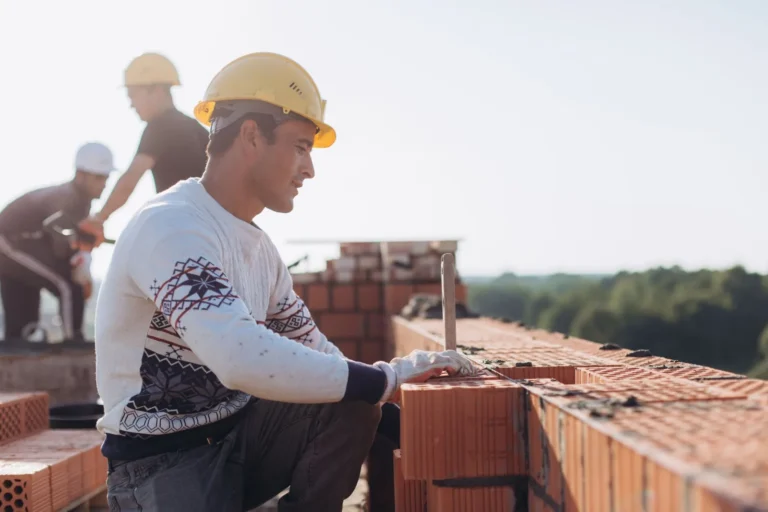
Timber walls are the budget option, and for good reason. Pressure-treated Southern yellow pine is cheap, available everywhere, and forgiving to work with.
What You’ll Pay for Materials
Pressure-treated 6×6 timbers — the standard for retaining walls up to four feet tall — cost about $10 to $18 per linear foot of wall, plus another $3 to $6 for gravel, landscape fabric, rebar or timber screws, and deadman anchors. If you build it yourself, materials are the whole bill. If you hire out, labor adds $5 to $20 per linear foot, and that labor is the bulk of the total.
Railroad ties and cedar cost more than treated pine but are used the same way. Cedar runs $20 to $35 per linear foot and looks better, though it lasts about as long as pressure-treated pine in direct soil contact.
Hidden Costs That Catch People
The number contractors rarely mention in the quote is drainage. A timber wall without crushed-stone backfill and a perforated drain pipe behind it will start leaning within a few years. Proper drainage adds $8 to $15 per linear foot whether your wall is wood or stone — which is exactly why it shows up in our guide to french drain cost per foot.
Photo by Abhinav Joshi via Pexels
When Wood Makes Sense
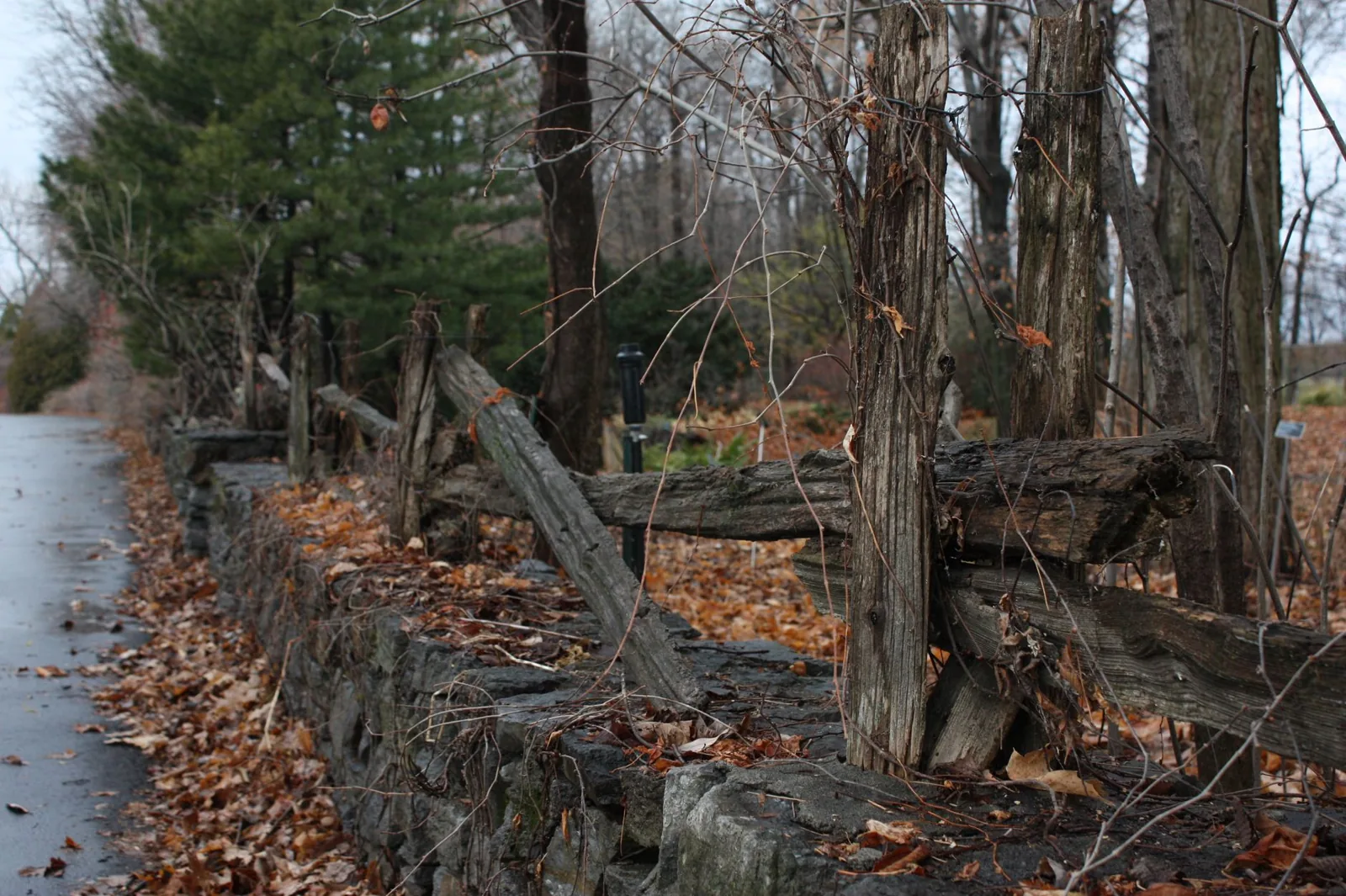
Timber is the right call when your wall is under four feet tall, you’re comfortable doing the work yourself, and you don’t plan to live in the house for 20 years. It’s also the only realistic choice on a tight budget where the alternative is no wall at all. Just budget for replacing it in 10 to 20 years, and understand that even the best-built timber wall will eventually rot from the inside out, not the outside in.
Stone Retaining Wall Costs
Stone is the premium option — and it’s really two different products: natural stone and manufactured concrete block.
Natural Stone
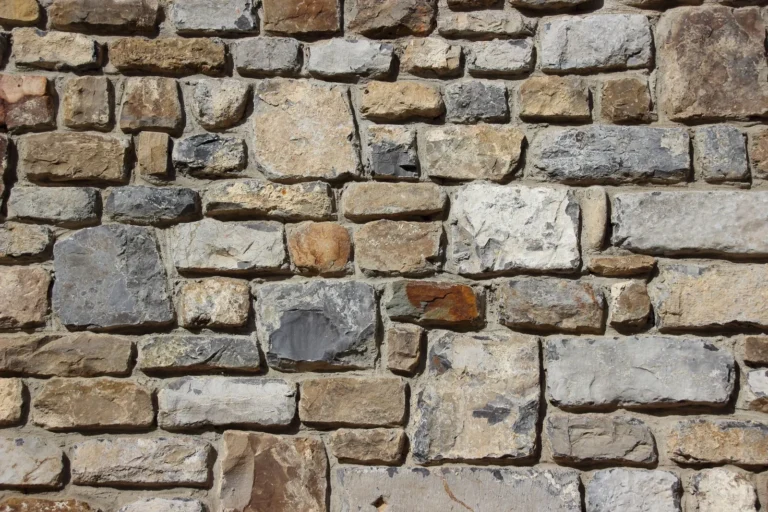
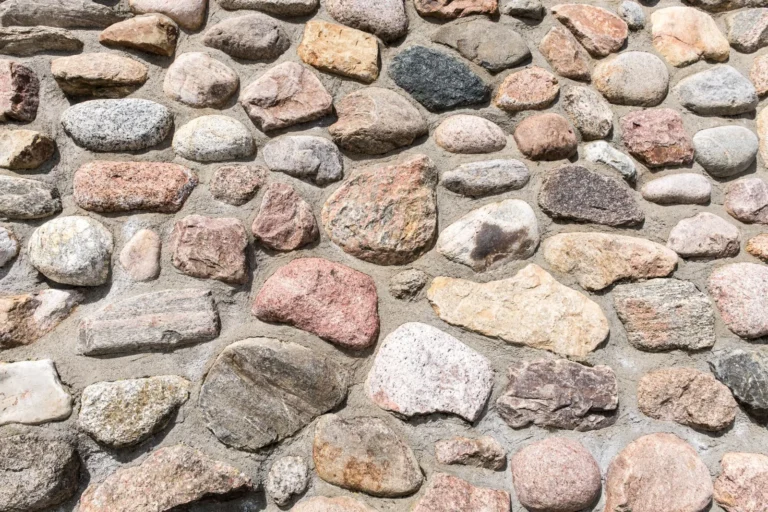
Dry-stacked fieldstone, boulders, and cut stone are the most expensive at $40 to $80 per linear foot installed, sometimes more. The stone itself is $15 to $45 per linear foot, but the labor is brutal — each piece is set, leveled, and backfilled by hand. A 50-foot natural stone wall can easily hit $4,000 to $6,000, and that’s before any machine access fees.
Manufactured Stone Block
Segmental retaining wall blocks from brands like Allan Block, Versa-Lok, and Unilock run $20 to $45 per linear foot installed. These interlock, require no mortar, and are far more DIY-friendly than natural stone while still reading as “stone” from the curb. For most homeowners, this is the sweet spot in the wood vs stone retaining wall cost equation: roughly double the price of timber, with a lifespan measured in generations rather than years.
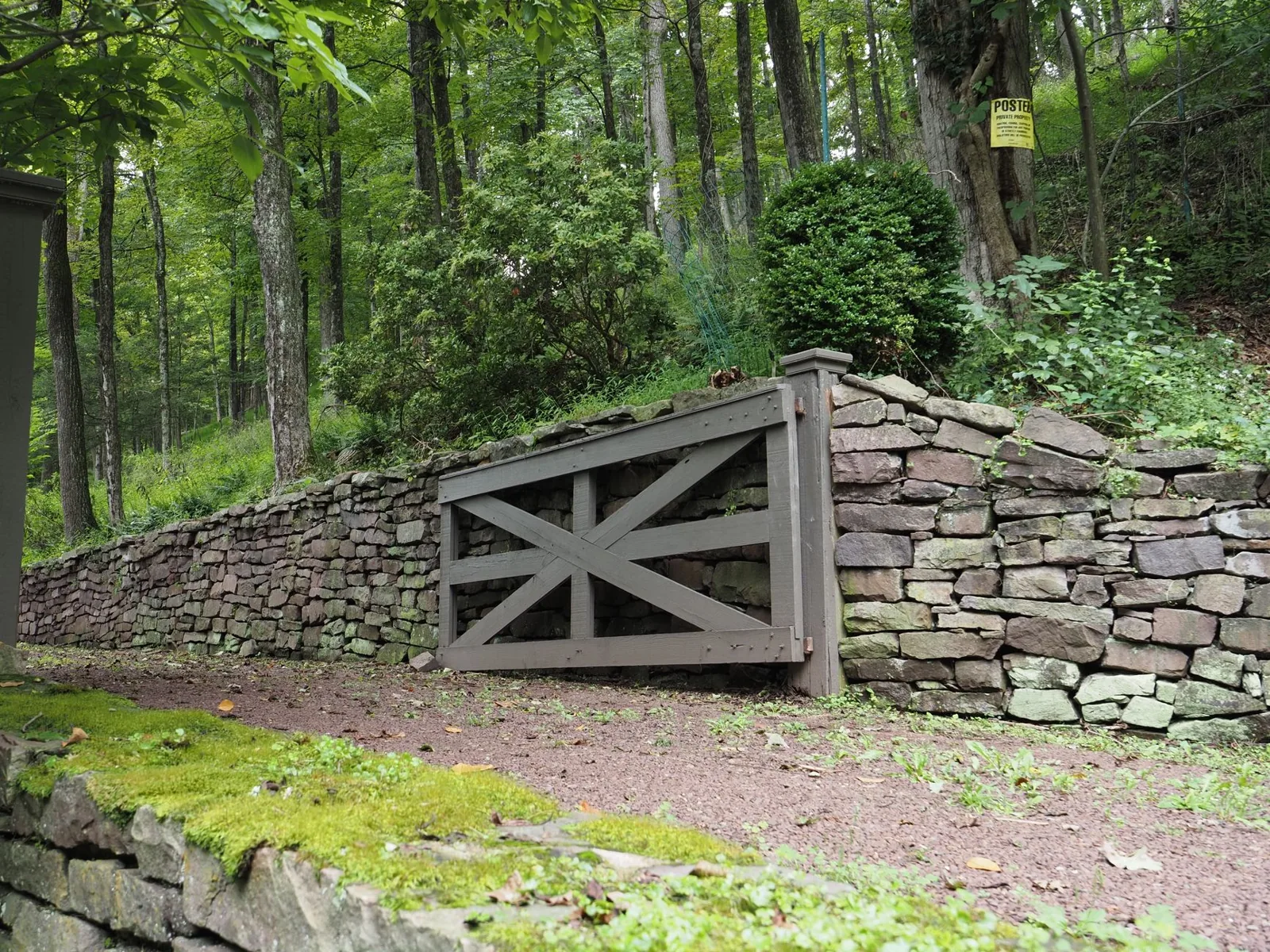
Photo by Gene Samit via Pexels
The Labor Premium
Stone’s higher price is almost entirely labor and weight. Stone weighs far more than timber, which means more excavation, a deeper gravel base (typically 6 to 12 inches of compacted stone versus 4 to 6 for wood), and slower progress. If your site has poor access — a narrow side yard, steps, a fence — expect a surcharge of 20% to 30% just to move material by hand or with a small machine.
What Actually Drives the Price
Material choice is only one line item. These factors move the total more than wood versus stone ever will.
- Wall height. Walls over four feet need engineering, permits, and often reinforced block or concrete. Going from three feet to five feet can double the per-linear-foot price.
- Excavation and grading. If the slope is uneven or the soil is rocky, you’ll pay $50 to $200 per hour for machine work before a single block is set.
- Drainage. Gravel backfill, filter fabric, and a perforated pipe add $8 to $15 per linear foot. Skip it and the wall fails early, regardless of material.
- Access. Limited access adds 20% to 30% to labor, as noted above.
- Location. Labor rates in the Northeast and West Coast run 30% to 50% higher than the South and Midwest.
If you’re budgeting a larger project that ties a wall into a fence line or a drainage system, compare it against our retaining wall vs fence and retaining wall installation cost guides before you commit.
Lifespan and Long-Term Value
This is where the wood vs stone retaining wall cost math flips. A pressure-treated timber wall lasts 10 to 20 years — less in wet climates, where ground contact accelerates rot. Over 40 years, you might rebuild a timber wall two or three times. A well-built stone or segmental block wall lasts 50 years or more with almost no maintenance.
Do the lifetime math: a $2,000 timber wall replaced every 15 years costs $6,000 over 45 years, not counting inflation. A $4,500 stone wall built once for the same span ends up cheaper — and it holds its value if you sell. Stone also adds more to resale value; real estate appraisers and buyers read a stone wall as permanent landscaping, while a leaning timber wall is a liability they’ll ask you to fix.
That said, timber has one genuine advantage stone can’t match: speed and reversibility. If you’re unsure about your final grade, or you want a wall you can pull out and redo cheaply in a few years, wood is the lower-risk experiment.
Frequently Asked Questions
Which is cheaper, a wood or stone retaining wall?
Wood is cheaper to build, full stop. Pressure-treated timber runs $15 to $40 per linear foot installed versus $25 to $80 for stone. But stone often wins on lifetime cost because it lasts 50-plus years to wood’s 10 to 20.
How much does a 50-foot retaining wall cost?
A 50-foot timber wall typically costs $1,250 to $2,500 installed. The same wall in natural stone or segmental block runs $2,500 to $6,000, depending on height and site access.
Can I build a retaining wall myself?
A timber wall under four feet tall is a realistic DIY project if you have help and are willing to dig and level a proper gravel base. Stone walls, especially natural stone, are heavier and slower — most homeowners hire out for stone unless they’re using interlocking segmental block.
Do I need a permit for a retaining wall?
Most jurisdictions require a permit and possibly an engineer’s stamp for any wall over four feet, and many require it for lower walls that support a surcharge like a driveway or structure. Check with your local building department before you buy materials.
How long does a retaining wall last?
Pressure-treated timber lasts 10 to 20 years, cedar and railroad ties about the same. Dry-stacked natural stone and segmental block walls routinely last 50 years or more when built with proper drainage.
The Bottom Line
For most homeowners, the wood vs stone retaining wall cost decision comes down to time horizon. If you need a wall now, your budget is tight, and the wall is under four feet tall, timber gets the job done for $15 to $40 per linear foot — just plan on replacing it within two decades. If you’re staying put and want the wall to outlast your mortgage, stone or segmental block is worth the $25 to $80 per linear foot, and its lifetime cost is often lower once you factor in rebuilds.
Whichever you choose, spend the money on drainage first. A wall with proper gravel backfill and a drain pipe behind it will outlast one without it, no matter what it’s made of. For a deeper look at the numbers, see our retaining wall cost per linear foot guide, and check out This Old House’s retaining wall overview and Bob Vila’s cost breakdown for more detail. Get three written quotes, compare them line by line, and ask each contractor how they handle drainage before you sign anything.