Concrete vs Block Retaining Wall Cost: What Homeowners Actually Pay
Concrete vs block retaining wall cost is the first number most homeowners want pinned down before they hold back a slope, and it refuses to be a single figure. Depending on how the wall is built, you’ll pay anywhere from about $15 to more than $60 per square foot installed, with most full projects landing between $3,000 and $10,000 all-in. That four-fold spread is why two walls that look similar from the street can end up on very different invoices.
The material is a big part of the equation, but labor, wall height, drainage, and site access usually move the price more than the blocks or concrete themselves. Below, I’ve broken out real per-square-foot and per-linear-foot figures for poured concrete versus concrete block retaining walls, along with the extras that catch homeowners off guard.
Concrete vs Block Retaining Wall Cost at a Glance
Before you call a contractor, it helps to know what “concrete” and “block” actually mean on a quote. A poured concrete retaining wall is cast in place using forms, rebar, and concrete mix trucked to your property. A concrete block retaining wall is built from factory-made units — either large hollow CMU blocks that get filled with grout and rebar, or interlocking segmental blocks like Allan Block and Versa-Lok that dry-stack without mortar.
Here’s how the installed costs stack up per square foot of wall face:
| Feature | Poured Concrete | Concrete Block (CMU) | Segmental Block |
|---|---|---|---|
| Installed cost per sq ft | $35–$60 | $25–$45 | $15–$35 |
| Materials only per sq ft | $15–$25 | $8–$15 | $6–$15 |
| Best for | Curves, tall walls, custom finish | Structural walls, veneer over top | DIY low walls, quick builds |
| DIY potential | Low (heavy equipment) | Moderate | High |
| Typical lifespan | 50–75+ years | 50–75+ years | 40–75+ years |
The takeaway: block walls almost always cost less up front than poured concrete, and segmental block is the cheapest of the three — especially if you stack it yourself.
What a Poured Concrete Retaining Wall Costs
A cast-in-place concrete wall is the premium option, and the price reflects it. Homeowners typically pay $35 to $60 per square foot installed, which puts a 4-foot-tall, 25-foot-long wall (100 square feet of face) at roughly $3,500 to $6,000. Taller walls climb fast: a 6-foot wall of the same length runs $6,000 to $10,000 or more once engineering, a bigger footing, and deeper rebar are factored in. That range lines up with figures from This Old House, which consistently places poured concrete at the top of the retaining wall price scale.
Materials and labor
Concrete itself is only part of the bill. A full pour requires formwork lumber, #4 or #5 rebar on a grid, a concrete footing dug below the frost line, and often a pump truck to get the mix where you need it. Labor is heavy — forming and pouring is skilled work that takes a crew and frequently a full day of staging before the pour even happens.
The upside is longevity and strength. A well-built poured wall handles lateral soil pressure better than any block option, resists frost heave when the footing is deep enough, and can be finished with board forms, stamped patterns, or a smooth trowel face. If you need curves, or a wall over about 4 feet, poured concrete is usually the safer engineering call.
What a Concrete Block Retaining Wall Costs
Concrete block is the mid-range choice and the most common residential retaining wall. Hollow CMU blocks run $25 to $45 per square foot installed, because each course gets laid, then the cores are reinforced with vertical rebar and filled with grout. A 100-square-foot wall lands around $2,500 to $4,500. Bob Vila puts concrete block solidly below poured concrete for most residential work, which matches what contractors around the country actually charge.
Segmental block vs. CMU
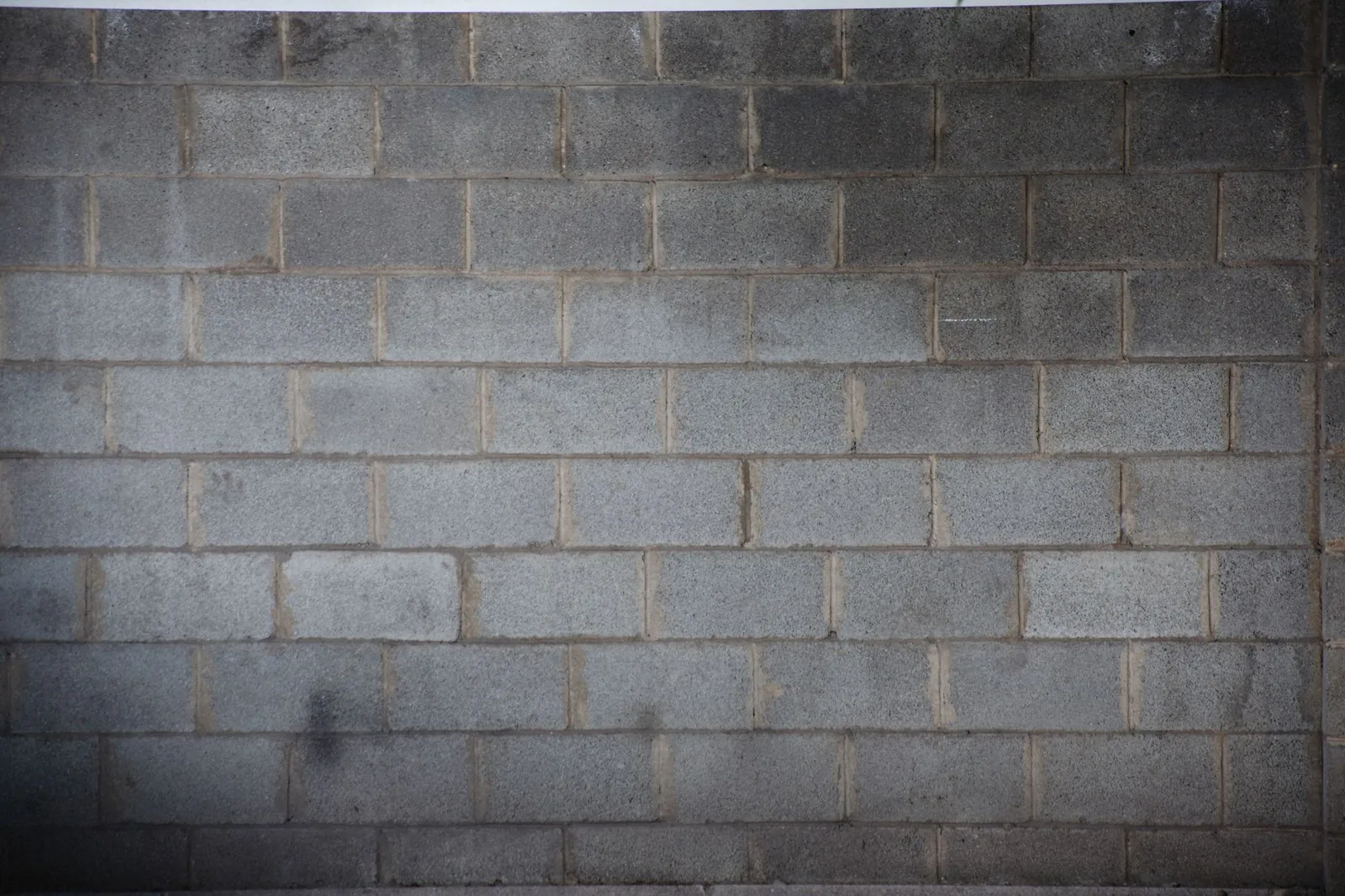
There are really two block walls hiding under one name. Hollow CMU — the gray 8x8x16 blocks you see everywhere — is a structural system. It needs a footing, mortar, rebar, and grout, so it behaves a lot like a short poured wall. Segmental retaining wall blocks are different: they interlock with pins or lips, stack dry without mortar, and can often be installed by a competent DIYer.
Segmental blocks are the budget champion. Materials for brands like Allan Block, Versa-Lok, or basic big-box retaining blocks run $6 to $15 per square foot, and a contractor installs them for $15 to $35 per square foot. A 3-foot-tall, 20-foot garden wall can cost as little as $1,200 to $2,000 installed — less than half of a comparable poured wall.
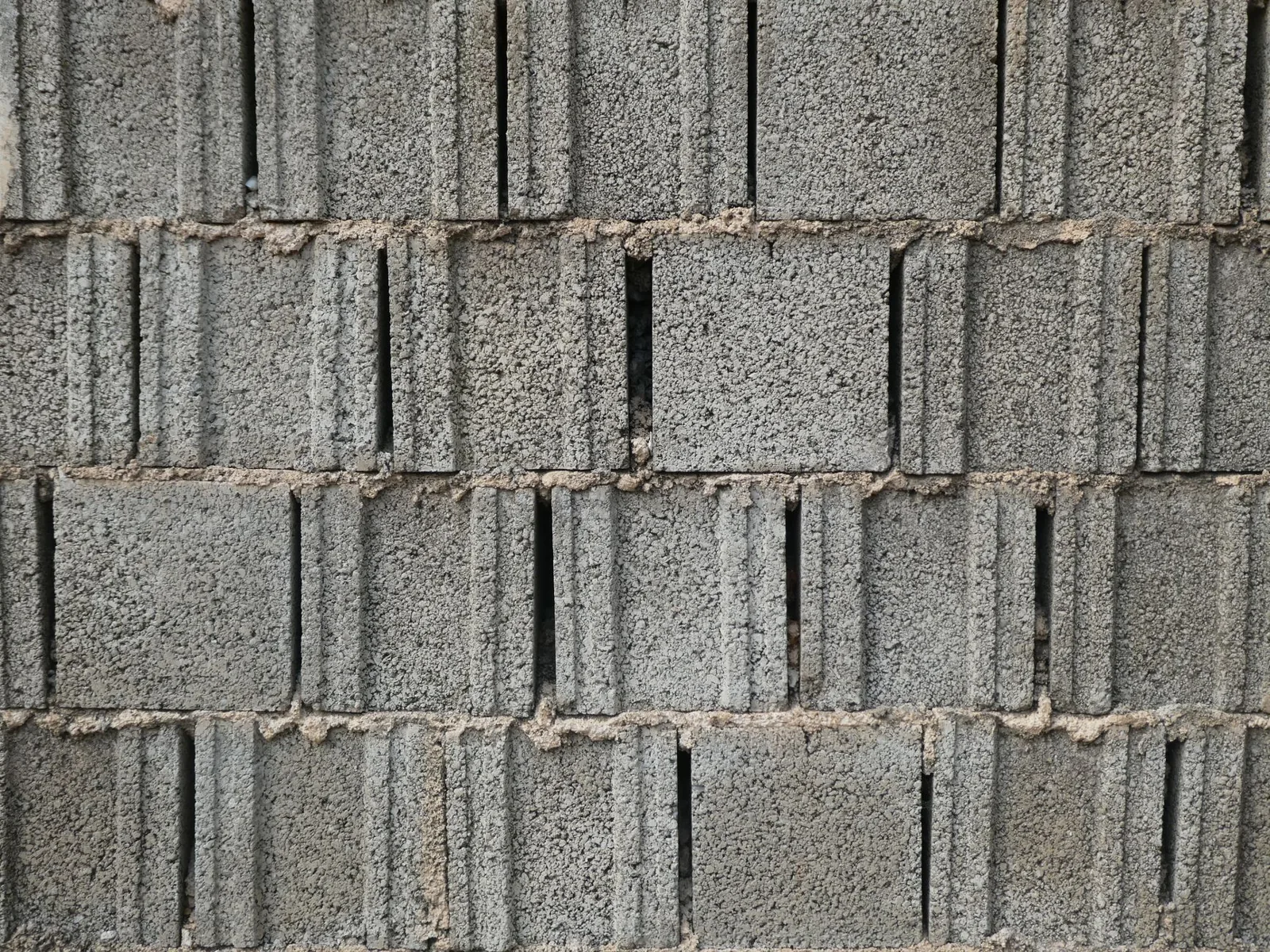
Photo by Huys Photography via Pexels
Labor, Permits, and Hidden Line Items
Labor is the line item that flips the comparison. Poured concrete is almost never a DIY job — forms, rebar, and a pump truck are beyond most weekend projects. Block, especially segmental block, is the opposite: a homeowner with a level, a plate compactor, and a free weekend can stack a 2- to 3-foot wall, which wipes out the largest cost category entirely.
Permits and engineering add fixed overhead that both wall types share. Most municipalities require a permit and engineered drawings for any retaining wall over 3 to 4 feet tall, and walls holding back a slope or a driveway often trigger the requirement regardless of height. Budget $500 to $2,000 for drawings, permits, and inspections on a mid-size project.
Other costs people forget
- Excavation and access. Digging a footing, hauling soil, and getting a truck or pump near the wall can add $500 to $3,000. A backyard with no machine access always costs more.
- Geogrid reinforcement. Walls over about 4 feet, or walls holding steep slopes, need layers of geogrid fabric buried into the backfill. Add $2 to $5 per square foot.
- Finishing. Stucco, stone veneer, or paint over a CMU wall runs $5 to $15 per square foot — cheap if planned, expensive as an afterthought.
- Removal. Tearing out a failed or old wall costs $20 to $40 per linear foot before the new one even starts.
Drainage Can Double the Price of a Cheap Wall
Drainage is the line most budget quotes skip, and it’s the first thing that fails when they do. A retaining wall holds back water as much as soil; without a way to let it out, hydrostatic pressure builds behind the wall and eventually pushes it over — usually within a few seasons.
A proper drainage system includes free-draining gravel behind the wall, a perforated drain pipe at the base, filter fabric to keep soil from clogging the pipe, and weep holes through the face every few feet. That adds $15 to $30 per linear foot, and it’s non-negotiable for any wall holding back a slope or standing over about 3 feet.
This is where the cheap segmental wall gets more honest. A $1,500 garden wall can easily become a $3,000 wall once you include the gravel, pipe, fabric, and the extra excavation to make room for them. Poured and block walls need the same drainage work, so this cost is a wash between the two — but skipping it to win a bid is exactly how walls end up leaning.
Photo by Simon Berger via Pexels
Which Wall Costs Less Over Time?
Up front, segmental block is the clear winner, with CMU block in the middle and poured concrete the most expensive. Over a 30- to 50-year horizon, the picture shifts.
Poured concrete and properly grouted CMU walls are structural systems with the longest track record. When the footing sits below the frost line and drainage is done right, they can stand for 50 to 75 years or more with almost no maintenance. Segmental walls also last a long time — 40 years or more is realistic — but they’re more sensitive to bad drainage and sloppy base preparation, because nothing bonds the blocks together except their own weight and interlock.
The cheapest wall long-term is the one with correct drainage, whatever the material. A poured concrete wall with no weep holes will fail faster than a segmental wall with good gravel and pipe behind it. If you’re comparing bids, look at the drainage and footing line items before you look at the block price.
For a deeper look at how height and materials drive per-foot pricing, see our retaining wall cost per linear foot breakdown. If the whole project is new to you, our guide to retaining wall installation cost walks through what a complete quote should include.
Frequently Asked Questions
Is a block retaining wall cheaper than poured concrete?
Yes. Segmental block walls run $15 to $35 per square foot installed and CMU block $25 to $45, versus $35 to $60 for poured concrete. Block is almost always the lower-cost option up front.
How much does a concrete block retaining wall cost per foot?
Expect $20 to $50 per linear foot for a typical 3- to 4-foot CMU block wall installed, or $15 to $35 per square foot of wall face. Total project cost depends on height and drainage.
How long do concrete retaining walls last?
A poured concrete or grout-filled block wall with a proper footing and drainage lasts 50 to 75 years or more. Segmental block walls typically last 40 years or longer.
Can I build a concrete block retaining wall myself?
Segmental blocks are DIY-friendly for walls under about 3 feet on flat or gently sloped ground. Poured concrete and grouted CMU walls need forms, rebar, and often an engineer — leave those to pros.
Do I need a permit for a retaining wall?
Usually, if the wall is over 3 to 4 feet tall or holds back a slope or driveway. Check with your local building department before you buy materials, because an unpermitted wall can stall a future home sale.
The Bottom Line
Concrete vs block retaining wall cost comes down to how much strength you need and how much you’re willing to pay for it. For a low garden wall on a DIY budget, segmental block at $15 to $35 per square foot is hard to beat. For a structural wall over 4 feet, or one with curves and a custom finish, poured concrete at $35 to $60 per square foot is the stronger long-term bet — with grouted CMU block as the sensible middle ground.
Whichever material you choose, spend on the two things that outlast any style decision: a deep footing and real drainage. Those are the difference between a wall that stands for decades and one that leans by the second spring. Get three written quotes, make sure gravel, pipe, and weep holes are itemized on each, and compare them side by side.
For help planning the rest of your yard, see our guides to retaining wall repair cost and retaining wall cost per linear foot. Ready to price your project? Start with the per-foot breakdown and work up from there.