Retaining Wall Installation Cost: What Homeowners Actually Pay
The retaining wall installation cost for a typical backyard project lands between $25 and $75 per square foot, or roughly $2,500 to $12,000 for a 100-square-foot wall. Small garden beds sit at the low end of that range; tall structural walls that hold back a steep slope can push past $25,000 once engineering, drainage, and permits are factored in.
Those numbers are wide on purpose. Material choice, wall height, soil conditions, and access to the build site all move the final price more than any other single factor. If you’re budgeting for a wall to terrace a sloped yard or hold back a hillside, this guide breaks down exactly where your money goes and how to avoid paying for a wall that fails.
What Does Retaining Wall Installation Cost Include?
A retaining wall is a structural element, not just stacked stone. The price you pay covers more than the blocks you see. A proper estimate should account for excavation, a compacted gravel base, drainage, backfill, and labor — and the drainage is the part cheap quotes skip.
Here’s how a typical installation budget breaks down:
- Materials (30–50%): Block, stone, or timber, plus gravel, fabric, and adhesive.
- Labor (30–45%): Site prep, digging, leveling, and stacking. Wall work is slow, heavy labor.
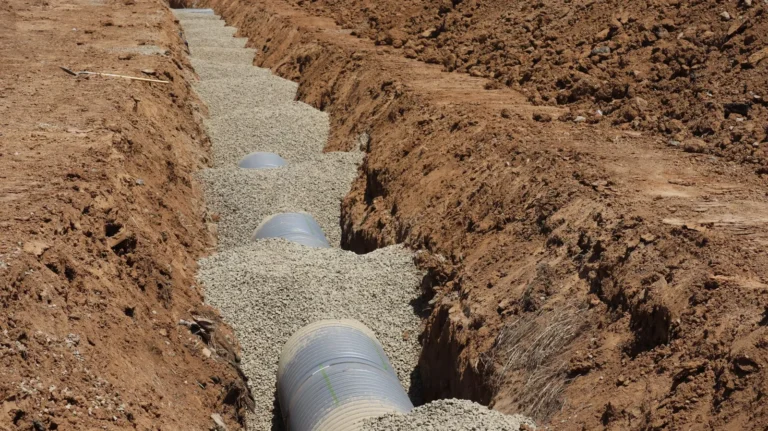
- Drainage and backfill (10–20%): Perforated pipe, gravel, and filter fabric behind the wall.
- Extras (5–15%): Permits, delivery, disposal of old soil, and rental equipment.
The drainage line is the one to watch. Water trapped behind a wall is the number-one cause of failure, and a contractor who quotes 20% under everyone else has almost certainly cut corners on drainage. If you want the wall to last, that’s not the place to save.
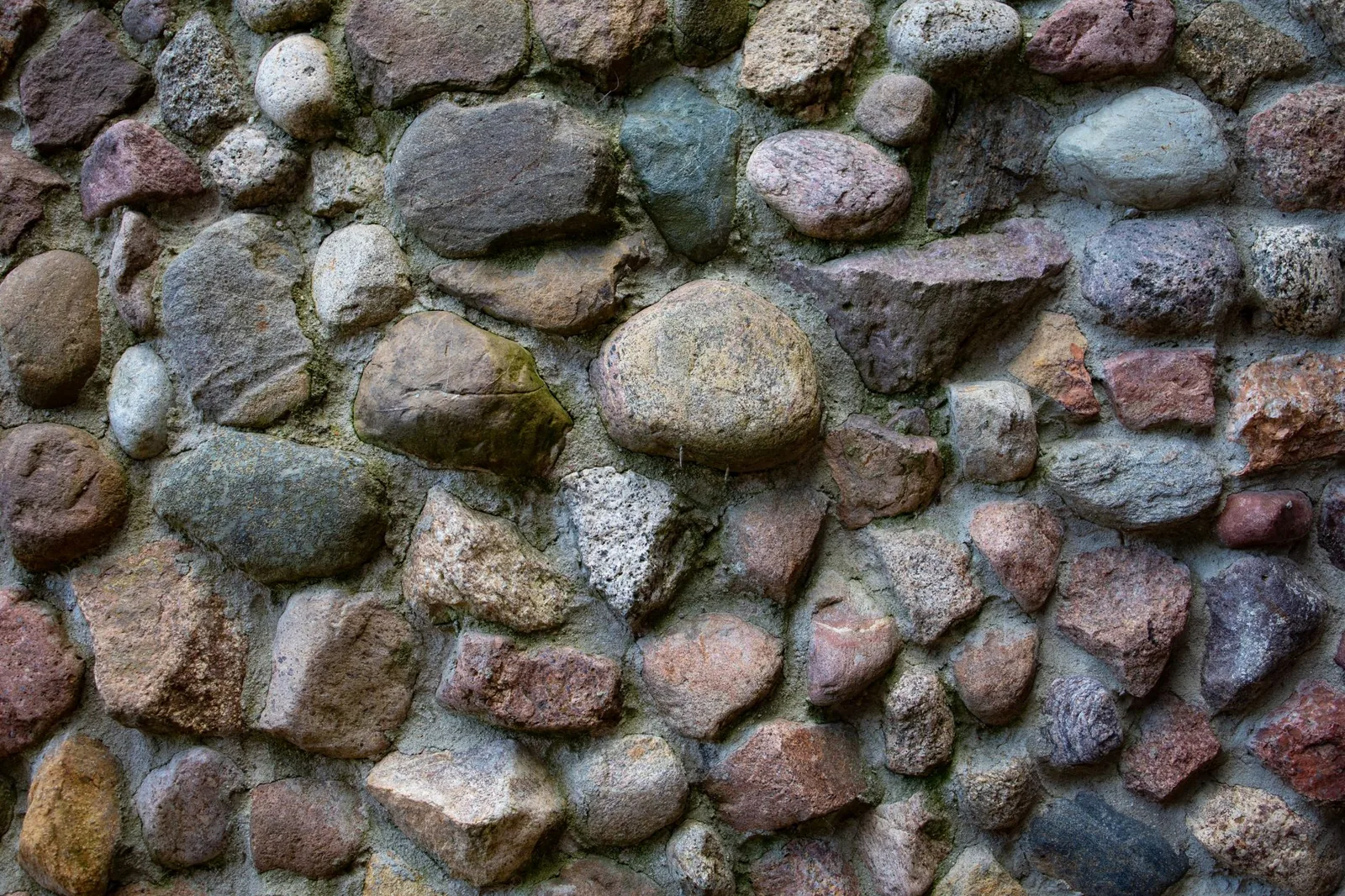
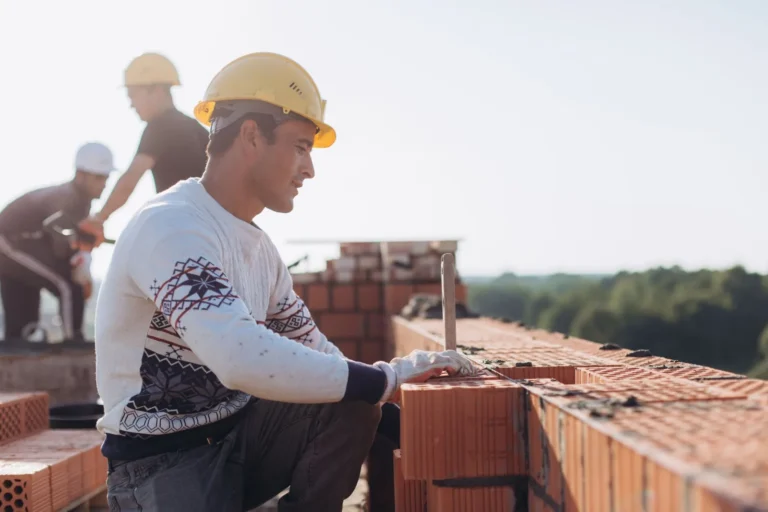
Photo by Rob N via Pexels
Retaining Wall Cost by Material
Material is the biggest lever on your price, both up front and over the life of the wall. Here’s how the common options compare for a typical 3-foot-tall, 50-foot-long wall.
| Feature | Concrete Block | Natural Stone | Pressure-Treated Timber |
|---|---|---|---|
| Material cost per sq ft | $10–$25 | $25–$60 | $10–$20 |
| Installed cost per sq ft | $25–$45 | $45–$75 | $20–$35 |
| Lifespan | 50+ years | 75+ years | 15–25 years |
| Maintenance | Low | Very low | Moderate (rot, warping) |
| Best for | Structural walls, slopes | Curb appeal, premium look | Low budget, short walls |
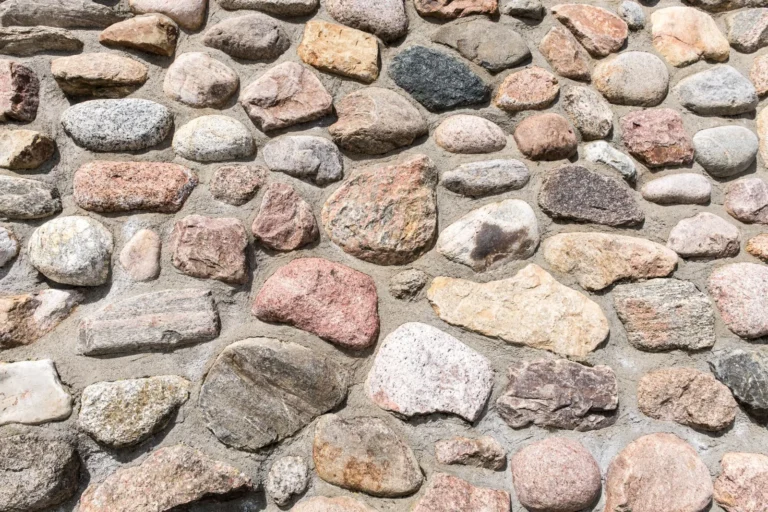
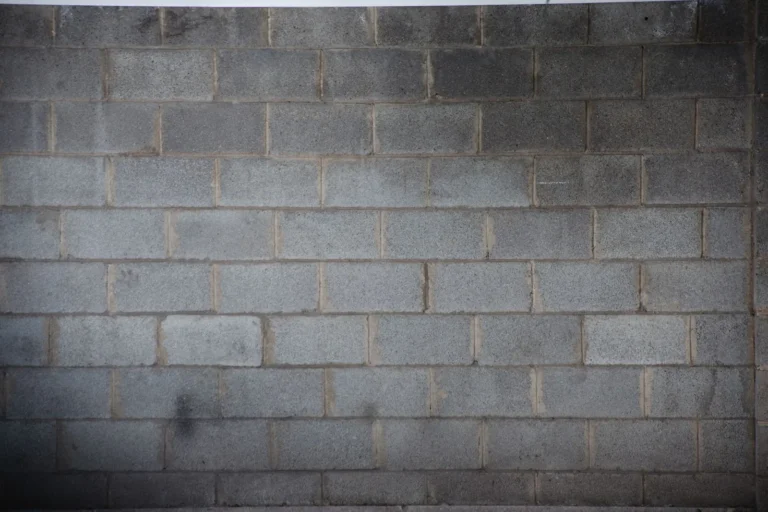
Concrete segmental block is the workhorse for most homes — strong, consistent, and reasonably priced. Natural stone costs more but reads as a permanent feature and often adds resale value. Timber is cheapest up front but rots, warps, and typically needs replacing within two decades, which usually makes it the most expensive option over time.
For a deeper look at how these materials compare long-term, see our wood vs stone retaining wall cost breakdown.
What Drives the Final Price
Beyond material, four factors move your quote more than you’d expect.
Wall height. Everything changes above about 4 feet. Taller walls hold more soil and water, need a wider base and more reinforcement, and often require an engineer’s stamp and a building permit. A 3-foot wall might need no engineering at all; a 6-foot wall frequently does.
Site access. If the crew can back a truck right up to the wall, material handling is cheap. If blocks have to be wheelbarrowed through a side gate or up a hill, labor climbs fast. Steep, narrow, or fenced yards add real money.
Soil and drainage conditions. Clay soil holds water and exerts more pressure than sandy, well-draining soil. Poor drainage means deeper excavation, more gravel, and a more robust pipe system behind the wall.
Existing wall removal. Tearing out and hauling away a failing old wall can add $10 to $20 per square foot before the new wall even starts.
Labor and Additional Costs to Budget For
Labor is usually 30 to 45 percent of the total. Retaining wall work is physically brutal and requires skill — leveling a base course within a fraction of an inch determines whether the whole wall stands straight. Most crews price labor at $15 to $35 per square foot depending on the wall’s height and complexity.
Beyond the wall itself, expect some combination of these line items:
- Excavation and grading: $50–$200 per hour, or $1,000+ for a large slope.
- Gravel base and backfill: $2–$5 per square foot for the base alone.
- Drainage system: $500–$1,500 for pipe, gravel, and filter fabric.
- Permits: $50–$300 for most residential walls; engineering, if required, $500–$2,000.
- Delivery and disposal: $150–$600 depending on distance and volume.
If drainage matters to your whole yard, not just the wall, our french drain cost per foot guide covers the connected piece of the puzzle.
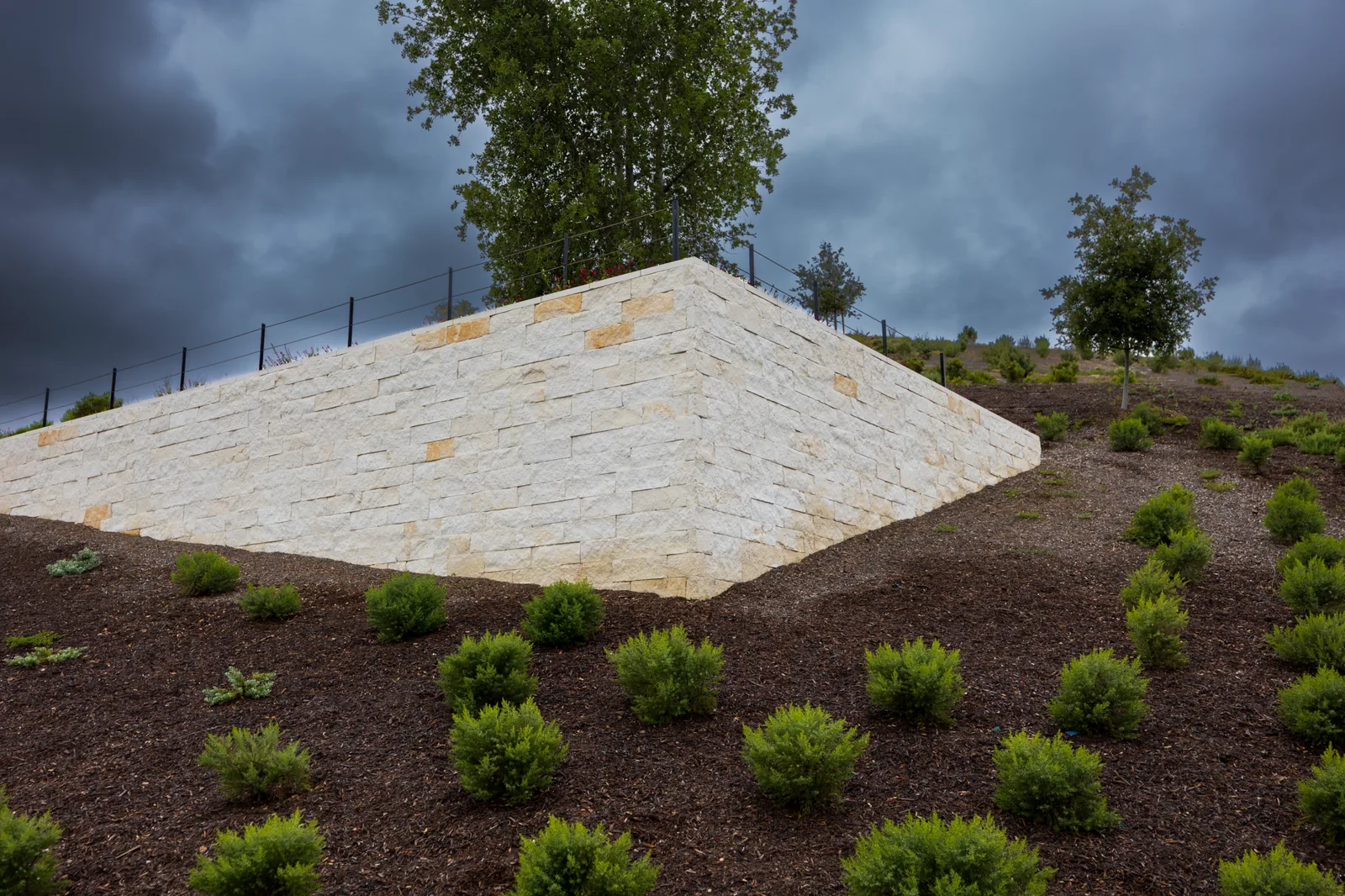
Photo by David Brown via Pexels
DIY vs. Hiring a Pro
A small garden wall under 2 feet tall is genuinely doable for a capable DIYer. You’ll pay $10 to $25 per square foot for materials and a few weekends of labor, and the risk is low because the wall isn’t holding back serious pressure.
The math changes fast as the wall grows. Once you’re retaining a real slope, a DIY mistake doesn’t just look bad — it fails structurally. A poorly drained 5-foot wall can bow, crack, and collapse within a few seasons, and then you’re paying for removal plus a professional rebuild. By that point the “savings” are gone and you’ve done the worst part of the work yourself.
A rough rule of thumb: under 2 feet and level ground, DIY is reasonable. Over 3 feet, or on any slope, hire a licensed contractor. The cost of a failed wall is the one line item no budget plan accounts for.
How to Keep Costs Down Without Cutting Corners
You can trim the retaining wall installation cost meaningfully without buying a weaker wall. The savings come from scope and timing, not from skipping drainage.
- Get three written quotes. Labor rates on wall work swing widely, and a third bid almost always reveals one outlier.
- Keep the wall short. A 3-foot wall costs a fraction of a 6-foot wall — consider two terraced 3-foot walls instead of one tall one.
- Use block for the hidden parts. If you want a natural-stone face, a stone veneer over concrete block can cost less than solid stone.
- Build in the off-season. Late fall and winter often bring slower schedules and slightly better labor rates.
- Do the easy prep yourself. Clearing brush, removing old landscaping, and digging a shallow trench are safe DIY tasks that cut labor hours.
A final note: whatever you cut, never skimp on drainage. The perforated pipe, gravel backfill, and filter fabric behind the wall are the difference between a wall that stands for 50 years and one that needs rebuilding in five.
Frequently Asked Questions
How much does a retaining wall cost per linear foot?
For a typical 3-foot-tall wall, expect $25 to $75 per linear foot installed. Taller walls cost more per foot because the base, reinforcement, and drainage all scale up. Our retaining wall cost per linear foot guide walks through the numbers by height.
Is a retaining wall worth the investment?
For a sloped yard, almost always. Beyond making the space usable, a properly built wall prevents erosion, protects your foundation from shifting soil, and adds curb appeal. Buyers consistently rank a terraced, level yard above a raw slope.
Do I need a permit for a retaining wall?
It depends on height and local code. Most municipalities require a permit for walls over 3 or 4 feet, and some require engineering review above 4 feet. Always check with your local building department before digging — unpermitted walls can become a problem at sale time.
How long does a retaining wall last?
A well-built concrete block or stone wall with proper drainage should last 50 to 75 years or more. Timber walls typically last 15 to 25 years. Drainage is the single biggest predictor of lifespan.
Can I repair a failing retaining wall instead of replacing it?
Sometimes, if the failure is caught early. Minor bowing or cracking can be stabilized, but once a wall is actively leaning, replacement is usually cheaper than a full repair. See our retaining wall repair cost guide to compare the two.
The Bottom Line
The retaining wall installation cost for most homeowners falls between $2,500 and $12,000, driven mostly by material and wall height. Budget $25 to $75 per square foot as a working range, then adjust for your site’s slope, soil, and access.
The single best way to protect that investment is to spend on the parts you can’t see. A $600 drainage system behind the wall is what turns a 20-year timber wall into a 60-year block wall. Get three quotes, compare materials honestly, and never let a low bid talk you out of the gravel, pipe, and fabric that keep the wall standing. For expert guidance on planning and building retaining walls, This Old House and Angi both publish detailed, current pricing breakdowns worth cross-checking against your quotes.