Gabion Wall vs Retaining Wall Cost: Which Is Cheaper in 2026?
If you have a slope that keeps sliding toward your lawn, driveway, or foundation, you need a retaining wall. The question most homeowners get stuck on is how much it will actually cost — and specifically how a gabion wall stacks up against a traditional concrete block, stone, or timber wall. The short answer on gabion wall vs retaining wall cost is that gabion walls usually run $20 to $40 per square foot installed, which puts them in the same general range as a concrete block wall. The difference is less about the headline number and more about where the money goes, how much work you can do yourself, and how long each wall lasts.
A gabion wall is a wire cage basket filled with stone. A conventional retaining wall is typically built from interlocking concrete blocks, poured concrete, natural stone, or pressure-treated timber. They solve the same problem — holding back soil — but they get there with very different materials, labor, and long-term costs. This guide breaks down the real prices, the hidden cost drivers, and the situations where each wall actually wins so you can decide without getting talked into something you don’t need.
Before you commit to any number, know this: retaining wall prices swing wildly by region, wall height, and access. A short decorative wall in a flat yard costs a fraction of a 6-foot structural wall on a steep, hard-to-reach hillside. Use the figures below as planning ranges, then get local quotes to lock in your real price.
What Is a Gabion Wall?
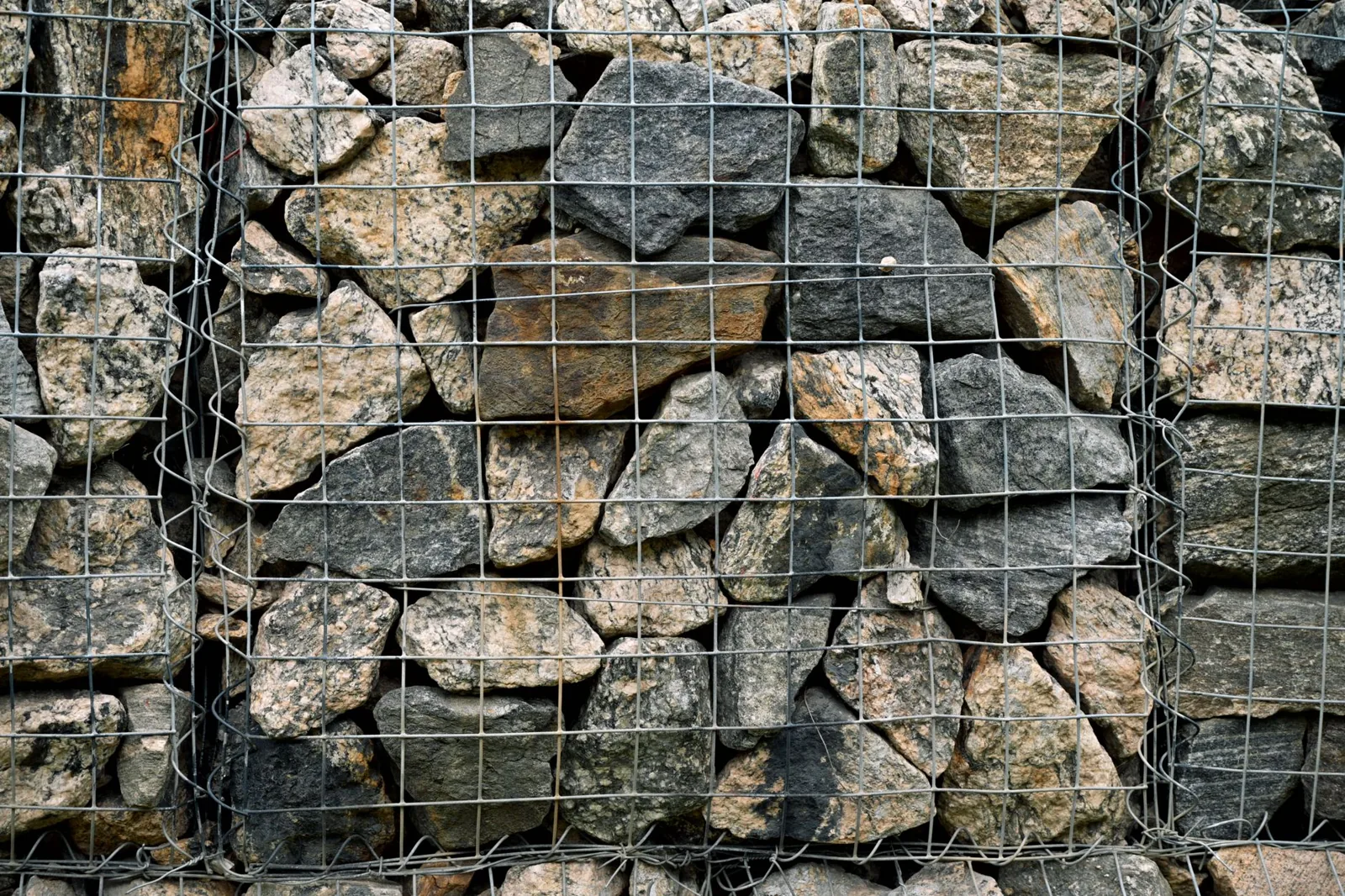
A gabion wall is a series of galvanized steel wire baskets stacked on top of each other and filled with rock. The baskets — called gabions — come in standard sizes like 3 feet by 3 feet by 3 feet, though panel-style and mattress gabions for shorter walls are common too. The steel is either galvanized or PVC-coated, and the stone fill is usually local crushed rock, river rock, or reclaimed concrete.
The appeal is simple: a gabion wall needs no mortar, no concrete footing, and no special masonry skill. The baskets are assembled, wired together, filled, and stacked. Because the structure is flexible and free-draining, it handles ground movement and water pressure better than a rigid concrete wall in many soils. That flexibility is one reason gabion walls have become a favorite for erosion control and drainage-heavy sites.
Gabion Wall vs Retaining Wall Cost: The Real Numbers
Here is the honest cost picture. Installed prices per square foot of wall face, using common contractor rates across the U.S.:
| Wall Type | Material Cost (per sq ft) | Installed Cost (per sq ft) | Typical 40-ft × 4-ft Wall |
|---|---|---|---|
| Gabion wall | $8–$20 | $20–$40 | $3,200–$6,400 |
| Concrete block wall | $10–$20 | $25–$40 | $4,000–$6,400 |
| Poured concrete wall | $15–$30 | $35–$70 | $5,600–$11,200 |
| Timber wall | $8–$15 | $15–$35 | $2,400–$5,600 |
| Natural stone / veneer | $20–$40 | $35–$80 | $5,600–$12,800 |
A few things stand out. First, gabion and concrete block land in almost the same installed range — around $30 per square foot on average — so the gabion wall vs retaining wall cost decision is rarely won on price alone. Second, gabion walls shift more of the total cost into stone fill and steel baskets (materials) and less into skilled labor, while poured concrete and stone veneer are labor-heavy and jump in price as walls get taller.
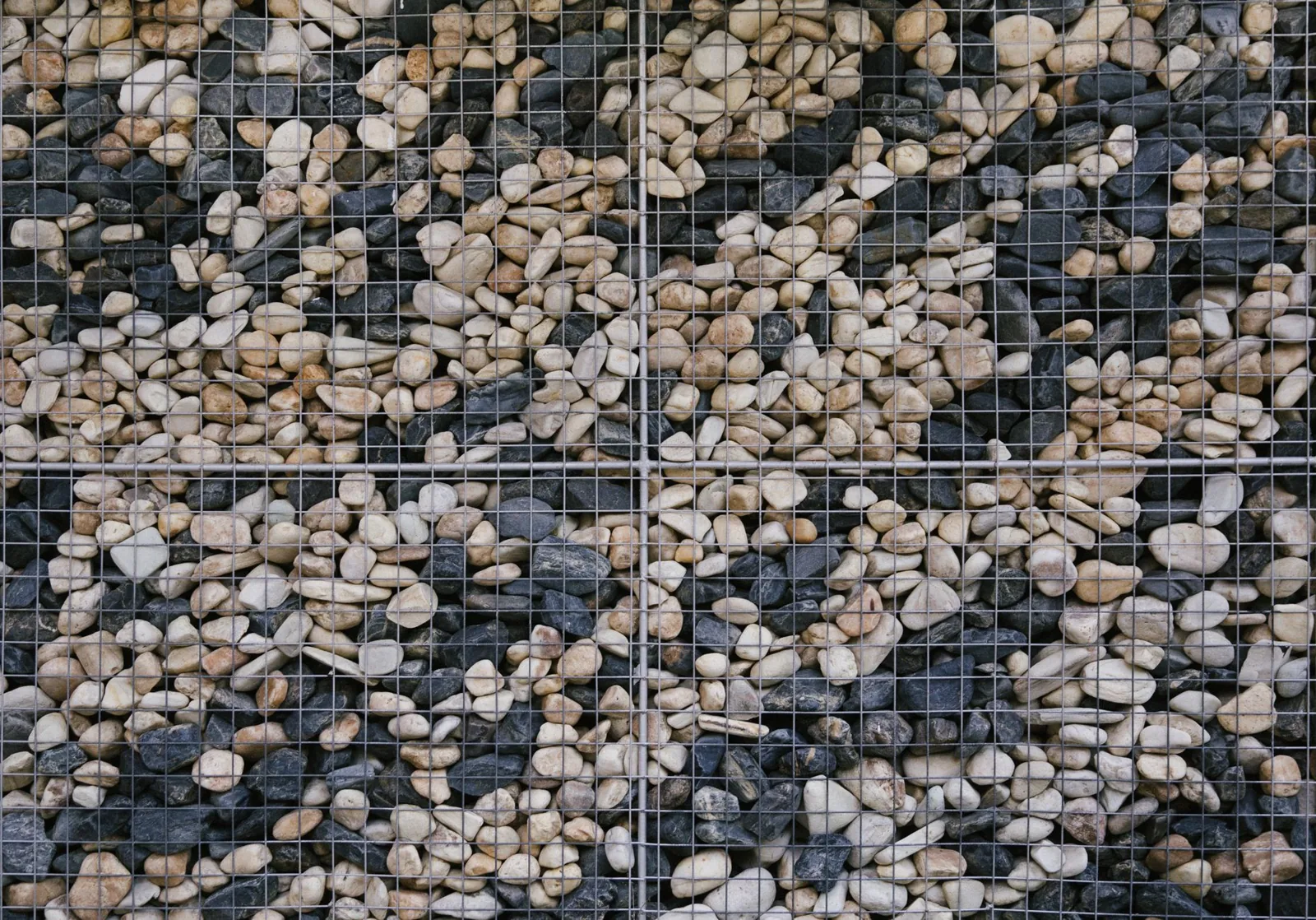
Photo by Pexels via Pexels
For a 40-foot-long, 4-foot-tall wall — a common backyard size at 160 square feet — you can expect a gabion wall around $3,200 to $6,400 installed, a block wall around $4,000 to $6,400, and a poured concrete wall from $5,600 to more than $11,000. If your wall is under 4 feet and purely decorative, many municipalities don’t require a permit or an engineer, which drops the cost meaningfully on any material.
What Drives the Price of Each Wall
The sticker price is only part of the story. These five factors move the final bill more than the material you pick.
Stone fill is the silent gabion cost. Gabion baskets are cheap — often $40 to $90 per basket. The expensive part is filling them. A 3-foot cubic basket holds about a cubic yard of stone, and crushed stone runs roughly $40 to $100 per ton delivered. If you don’t have a local quarry or a cheap source of fill, a gabion wall’s material cost can quietly climb past a block wall’s.
Height and engineering. Any retaining wall over 3 to 4 feet typically requires a building permit, a designed footing or base course, and often an engineer’s stamp. This applies to gabion walls too. Engineering and permits can add $500 to $2,000 to a project regardless of material.
Access and equipment. Both wall types need a way to get materials to the site. Steep or fenced yards mean wheelbarrows, conveyors, or even crane rental for heavy stone. Gabion walls are heavy — a single filled basket can weigh more than 2,000 pounds — so machine access matters a lot.
Drainage details. Every retaining wall needs drainage, but gabion walls are self-draining by design. A concrete block or timber wall needs a gravel backfill column, perforated pipe, and weep holes to shed water, which adds labor and material. See our breakdown of french drain cost per foot for what proper drainage adds to the budget.
Soil and slope. Clay soils that hold water and expand put more pressure on rigid walls and can force you into reinforced, engineered designs. Gabion walls tolerate that movement, but very soft or saturated ground still needs a prepared base.
DIY vs Professional Installation
This is where gabion walls genuinely shine. Building a gabion wall is mostly stacking and filling — no mortar lines to level, no forms to pour. A competent DIYer can assemble a 3- to 4-foot gabion wall in a weekend with a helper, a good pair of gloves, and a way to move stone. That can cut the project to material-only cost, roughly $8 to $20 per square foot, or $1,300 to $3,200 for the same 160-square-foot wall.
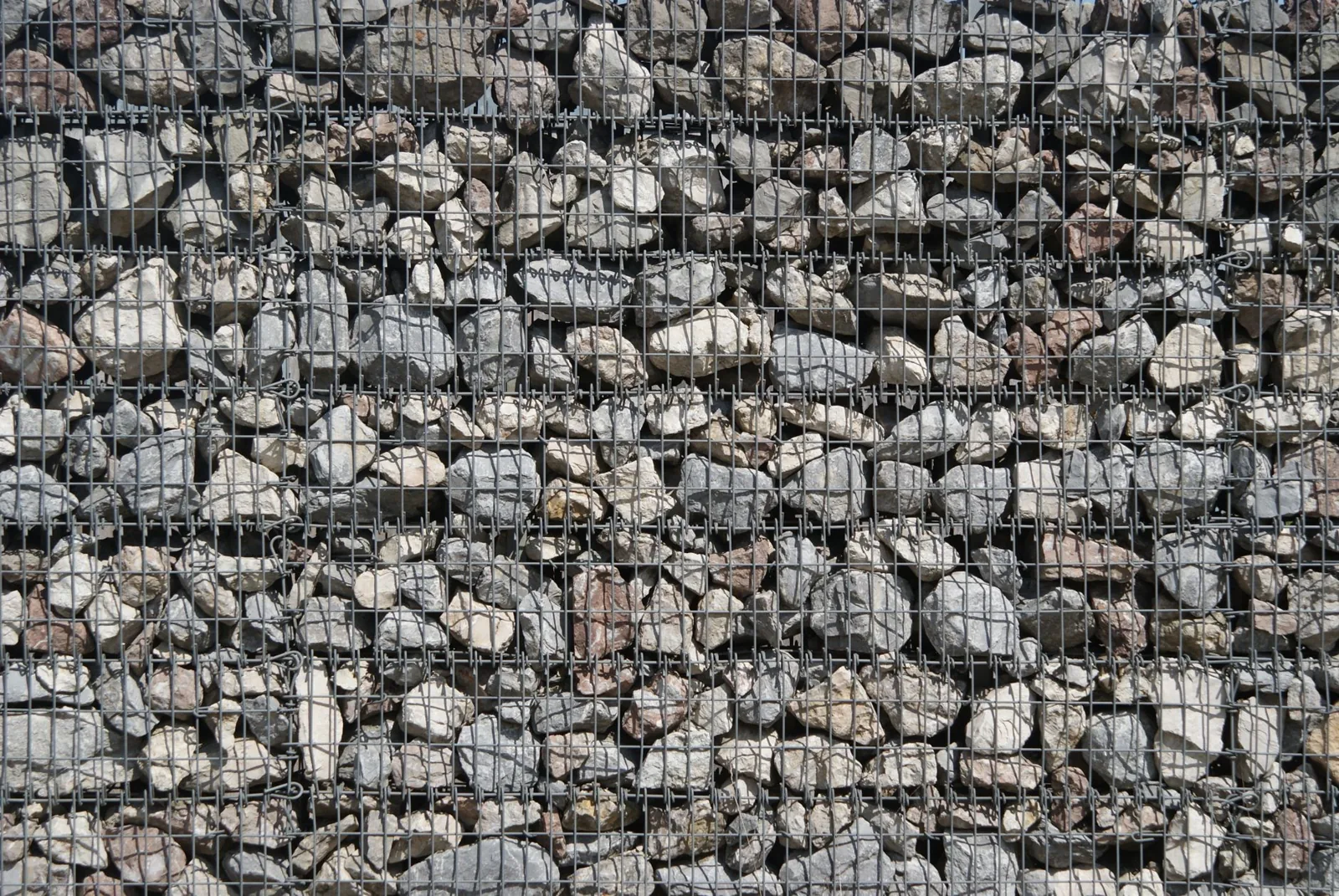
Photo by Timothy Huliselan via Pexels
By contrast, poured concrete walls are almost never a DIY job — you need forms, rebar, mixing equipment, and real experience to get a structurally sound result. Concrete block is DIY-friendly for short walls but requires careful leveling and a proper base, and natural stone veneer is skilled work best left to a pro. If you plan to build it yourself, the gabion wall vs retaining wall cost gap widens dramatically in gabion’s favor.
Even if you hire out, ask a contractor how they price. Some charge per square foot of wall face, others per linear foot, and some by the cubic yard of gabion fill. For a deeper look at how pros quote these jobs, read our guide to retaining wall installation cost.
Durability, Drainage, and Maintenance Costs
Upfront price is only one column. The cheapest wall isn’t much of a bargain if you’re repairing it in five years.
Gabion walls last 50 to 100 years when the baskets are galvanized or PVC-coated. The steel is the weak point — cheap zinc-coated baskets near salty air, sprinklers, or acidic soil can corrode. Expect to top off settled stone occasionally and check wire for damage after heavy storms. Repairs are simple: cut out a damaged section and wire in a patch, or add more fill.
Concrete block walls can last 50 to 100 years too, but they crack when the footing settles or water builds up behind them. Cracks and bowing are the classic failure modes, and fixing them usually means rebuilding a section. Timber walls are the shortest-lived at 10 to 25 years before rot sets in.
On drainage, gabion walls are the clear winner. Water flows straight through them, so hydrostatic pressure doesn’t build up the way it does behind a solid wall. If your site is wet or you’re already fighting drainage issues, that free-draining design can save you from a very expensive wall failure. For context on what standing water problems cost to fix, see our yard drainage cost per foot guide. And if you want to understand your total per-linear-foot budget across materials, start with retaining wall cost per linear foot.
When Each Option Wins
Choose a gabion wall when:
– You want a DIY build and have a cheap, local source of stone.
– The site is wet or drainage-heavy and you need water to flow through.
– You like the industrial, modern look of wire and rock.
– You’re building on ground that moves or expands.
– You’re fine with a wall that reads “engineered” rather than “traditional.”
Choose a concrete block, stone, or timber wall when:
– You want a clean, classic, or formal look that matches a traditional home.
– Stone fill in your area is expensive or hard to source.
– You need a smooth, straight face (gabion faces are bumpy).
– HOA or local code requires a specific material or finish.
– You’re planting directly against the wall and want a uniform surface.
Frequently Asked Questions
Are gabion walls cheaper than concrete retaining walls?
They’re close. Gabion walls average $20 to $40 per square foot installed versus $25 to $40 for concrete block, so gabions are usually slightly cheaper or a wash — and significantly cheaper if you do the work yourself, since the labor is unskilled stacking and filling.
How long does a gabion wall last?
A well-built gabion wall with galvanized or PVC-coated baskets lasts 50 to 100 years. The steel cage is the limiting factor, so buy quality-coated baskets and keep sprinklers off the wire.
Do gabion walls need drainage?
No pipe or weep holes are needed — the open stone structure drains itself. That’s a major advantage over solid concrete or timber walls, which need backfill, pipe, and weep holes to avoid water pressure buildup.
Can I build a gabion wall myself?
Yes. A 3- to 4-foot gabion wall is one of the most DIY-friendly retaining walls there is. The hard part is moving heavy stone, not the construction, so budget for material delivery or rent a small machine if access is poor.
What is the cheapest type of retaining wall?
Pressure-treated timber is usually the cheapest to install at $15 to $35 per square foot, but it only lasts 10 to 25 years. Gabion walls are the cheapest long-term option when you factor in lifespan and near-zero maintenance.
For material and drainage specifics, Family Handyman’s retaining wall guide covers gabion construction.
The Bottom Line
When you compare gabion wall vs retaining wall cost, gabion walls typically land between $20 and $40 per square foot installed — right alongside concrete block and cheaper than poured concrete or stone veneer. The real savings show up if you build it yourself, since gabion construction is stacking and filling rather than skilled masonry, and again over time because the wall drains itself and rarely needs repair.
The deciding factors are rarely price. Look at your site’s drainage, how much stone costs near you, whether you want to build it yourself, and the look your home and neighborhood call for. A gabion wall is a smart, long-lived, DIY-friendly choice for wet or moving ground; a block or stone wall is the better fit when you want a formal, traditional finish. Whichever you pick, budget for a proper base, buy quality materials, and get local quotes before you break ground.