Retaining Wall Repair Cost: What You’ll Pay in 2026
A sagging, cracking, or leaning retaining wall is the kind of problem that gets worse the longer you ignore it, and the retaining wall repair cost is usually a fraction of what a full rebuild would run you. Most homeowners pay between $400 and $10,000 to fix a retaining wall, with the national average landing around $3,000. Minor cosmetic repairs can cost under $1,000, while structural failures on tall or long walls can push past $15,000.
The catch is that “repair” means very different things depending on what’s actually wrong. Replacing a few cracked blocks is cheap. Rebuilding a wall that’s failing because it was never properly drained is not. That’s why a ballpark figure only gets you so far.
This guide breaks down what you can expect to pay for common repairs, what drives the number up or down, and how to tell when a repair is worth it versus a full replacement. By the end, you’ll be able to look at a contractor’s quote and know whether it’s reasonable.
What Affects the Retaining Wall Repair Cost
Before you can budget, you need to understand the handful of variables that move the price. The biggest one is simple: how bad is the damage, and how much of the wall is affected.
- Extent of the damage. A 10-foot section with three cracked blocks costs far less than 40 feet of wall that has started to rotate.
- Wall height and length. Labor climbs with both. Taller walls need scaffolding, shoring, and more careful sequencing.
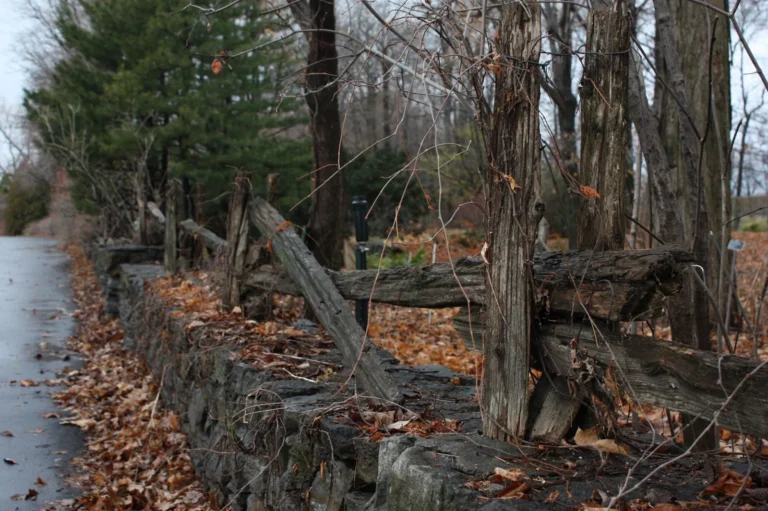
- Material. Concrete block, poured concrete, natural stone, brick, timber, and gabion walls all repair differently. Stone is the most labor-intensive to reset.
- Access. A wall behind your house with a narrow side yard is harder to work on than one with a driveway leading straight to it. Poor access adds labor hours.
- Root cause. If the wall is failing because of poor drainage or frost heave, you have to fix the underlying problem or the repair will fail again in a few years.
- Your region. Labor rates vary widely. A masonry crew in the Northeast or the Bay Area bills more than one in the rural Midwest or South.
Common Retaining Wall Problems and What They Cost to Fix
Most retaining wall repairs fall into a handful of categories. Here’s what each one typically costs.
Cracked or Chipped Blocks: $200–$1,500
Hairline cracks in a few blocks are often cosmetic. A mason can replace individual damaged units, repoint mortar joints, or patch with a polymer filler. If only a handful of blocks are affected and the wall is otherwise sound, this is the cheapest repair you’ll ever do.
Bowing or Leaning Wall: $1,500–$8,000+
A wall that’s leaning is usually a structural problem, not a cosmetic one. The fix involves excavating the soil behind the wall, straightening or rebuilding the affected section, and — critically — adding proper drainage and backfill. This is the single most common repair, and it’s where most of the money goes.
Drainage Failure: $1,000–$4,000
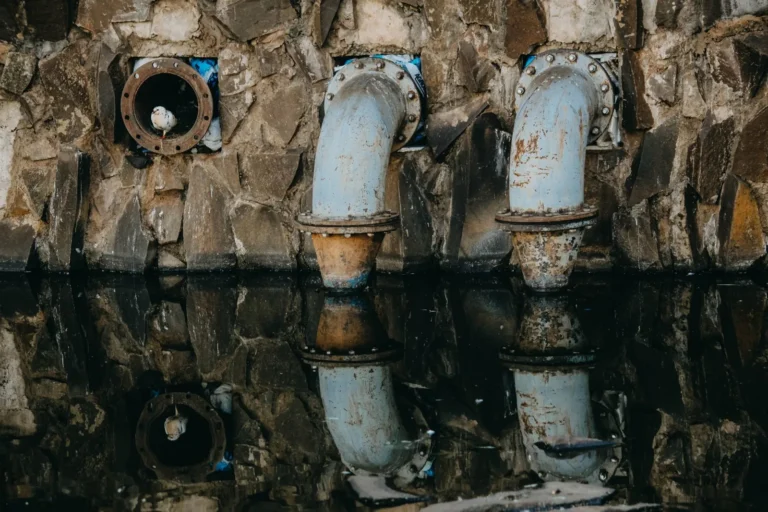
If water is pooling behind the wall and weeping through the face, the wall wasn’t built with enough drainage. Repairs involve digging out the backfill, installing or replacing a perforated drain pipe and gravel, and often adding weep holes. This work pairs naturally with a /french-drain-cost-per-foot/ project, since the two systems work together.
Efflorescence and Water Staining: $300–$1,000
That white, chalky residue on concrete and brick is efflorescence — minerals left behind as water evaporates. It’s usually harmless but ugly. Cleaning, sealing, and improving drainage can handle it, though the staining will return if the moisture source isn’t fixed.
Sinking or Settling Wall: $2,000–$10,000
A wall that’s sinking is sitting on an inadequate or washed-out footing. Repairs mean lifting or partially rebuilding the affected run, pouring a proper gravel base or concrete footing, and re-compacting the soil. On taller walls this can approach the price of new construction.
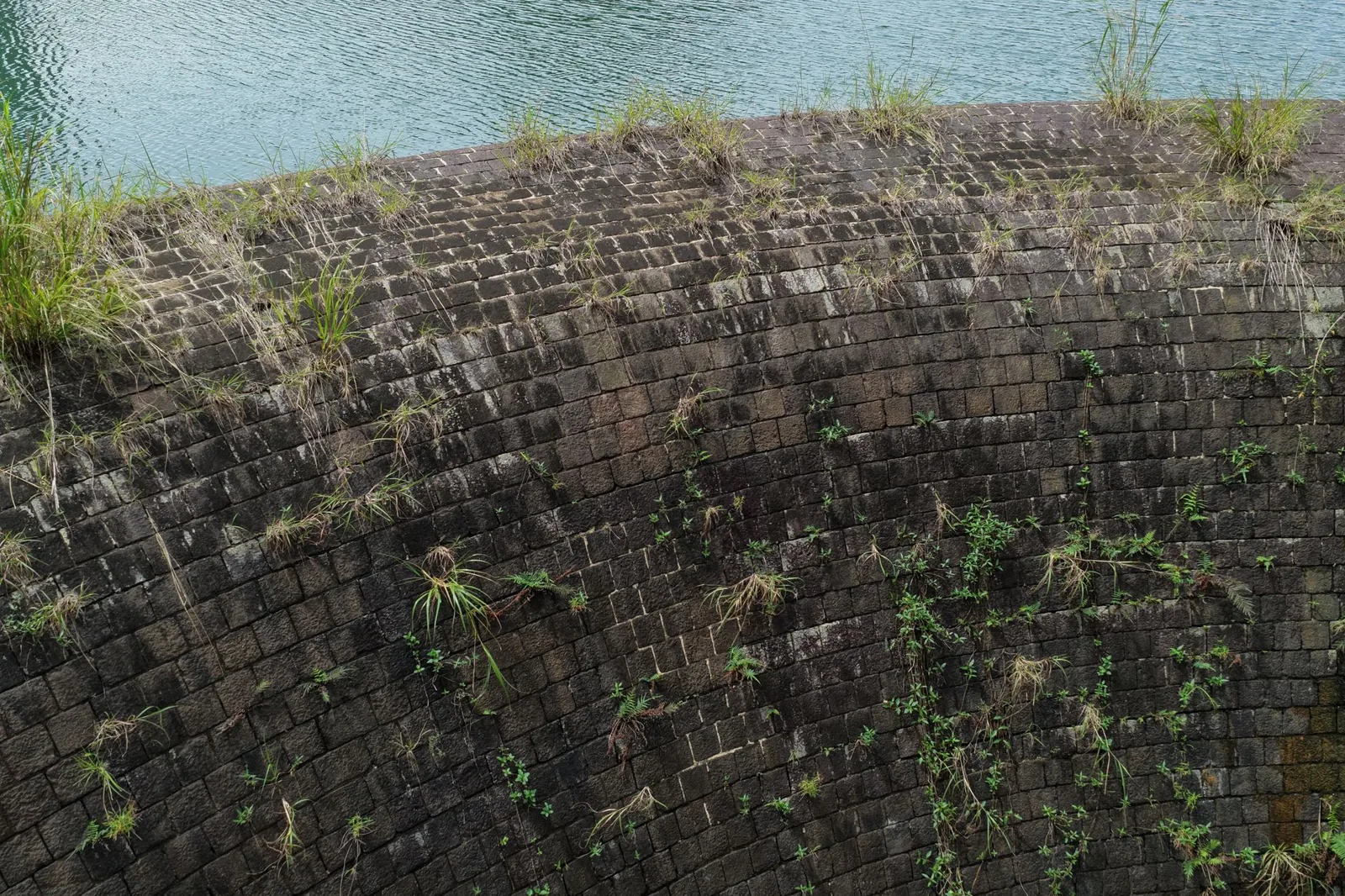
Photo by kwok fai sin via Pexels
Retaining Wall Repair Cost by Material
The material your wall is made from has a big effect on what a repair costs. Some materials are easy to work with; others are labor-intensive to reset or replace.
| Material | Typical Repair Cost | What Usually Needs Fixing |
|---|---|---|
| Timber | $500–$3,000 | Rotting or warped boards, loose posts, failed drainage |
| Concrete block | $800–$5,000 | Cracked units, bowed sections, missing drainage |
| Poured concrete | $1,500–$8,000 | Structural cracks, leaning panels, footing issues |
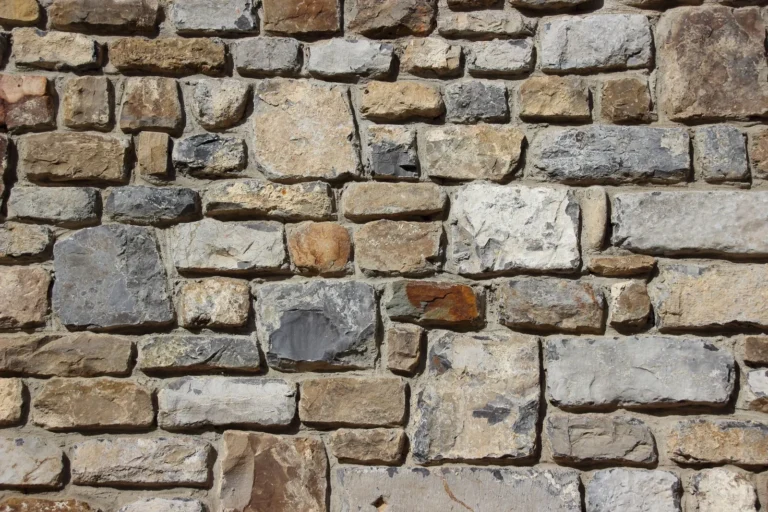
| Natural stone | $1,500–$10,000 | Loose or displaced stones, failed mortar, shifting base |
| Brick | $800–$4,000 | Cracked bricks, crumbling mortar joints, leaning sections |
| Gabion | $500–$2,500 | Bulging baskets, damaged wire, displaced fill |
Timber is the cheapest to repair because individual boards are inexpensive and easy to swap, but timber also fails faster than anything else on the list. Stone sits at the opposite end — resetting natural stone is skilled, slow work. If you’re weighing materials for a new wall, our breakdown of /wood-vs-stone-retaining-wall-cost/ covers the long-term tradeoffs.
Repair vs. Replace: How to Decide
This is the question every homeowner faces, and the answer usually comes down to a few clear signals.
Repair makes sense when: the wall is under 10 years old, the damage is localized to one section, the footing is still intact, and the wall was properly built to begin with. A well-built wall that’s failing in one spot can usually be fixed for a fraction of replacement cost.
Replace makes sense when: the wall is over 30 years old, the damage spans more than a third of the wall, the footing has failed, or the wall was never engineered correctly. A timber wall with widespread rot or a block wall with no drainage is often cheaper to rebuild than to patch repeatedly.
As a rule of thumb, if the repair estimate is more than about 60% of the cost of a new wall, replacement is usually the smarter money. You’ll get a longer life and a warranty. For context on what a new wall costs, see our guide to /retaining-wall-installation-cost/.
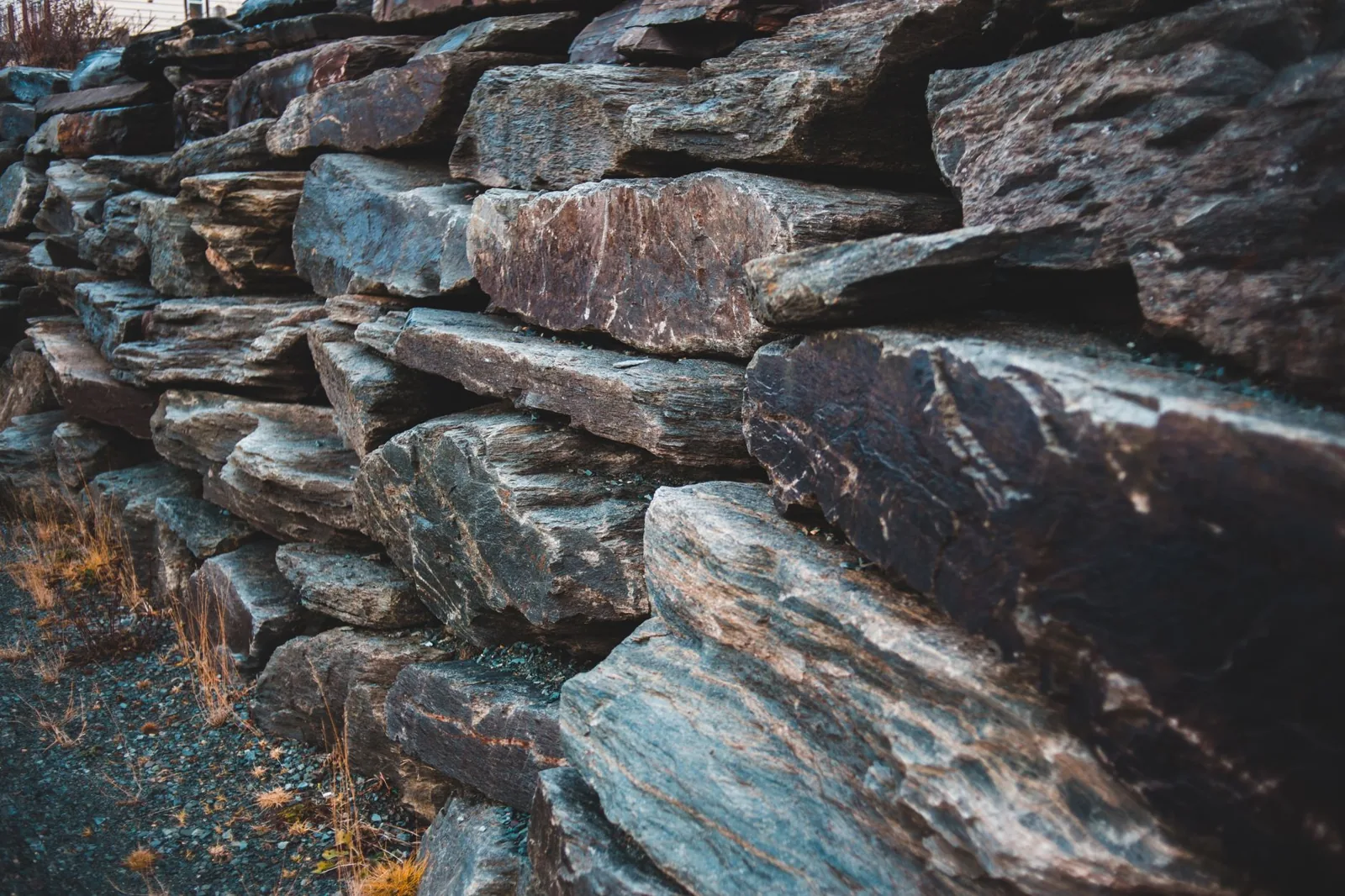
Photo by Erik Mclean via Pexels
DIY vs. Hiring a Professional
Some retaining wall repairs are genuinely doable for a confident homeowner. Others should never be attempted without a licensed contractor.
You can DIY if: you’re replacing a few cracked blocks, repointing small mortar joints, cleaning efflorescence, or resealing the face. These are low-risk, and a $150–$400 material purchase is often all it takes. Timber board swaps on a low wall (under 3 feet) are also reasonable for a handy homeowner.
Hire a pro if: the wall is leaning, sinking, or over 4 feet tall. Anything structural involves excavating behind the wall, and a failing wall can collapse during the work. Most municipalities require a permit and an engineered plan for walls over 4 feet, and a contractor will handle that. Expect labor to be $50–$100 per hour for masonry work, or roughly 60–70% of your total quote.
The money you “save” on a botched DIY structural repair gets eaten fast when the wall fails again in two years — this time with your landscaping buried under it.
How to Lower Your Retaining Wall Repair Cost
You can’t avoid paying for a structural repair, but you can keep the number honest.
- Get at least three quotes. Retaining wall pricing varies enormously between contractors. Three written quotes will quickly expose an outlier.
- Fix drainage at the same time. If you’re already excavating, adding a drain pipe and gravel costs a little extra now and prevents a second expensive repair later.
- Ask about material reuse. On stone and block walls, a good mason can often clean and reset the original material, saving you the cost of new units.
- Tackle it in the off-season. Late fall and winter are slower for hardscape crews in many regions, which can translate to lower labor rates.
- Address small problems early. A cracked block is a $300 fix. A wall that’s been left to lean for three years is a $6,000 fix.
The common thread is time. Retaining wall problems compound, and the cheapest day to fix one is the day you first notice it.
Frequently Asked Questions
How much does it cost to repair a retaining wall?
Most homeowners pay between $400 and $10,000, with an average around $3,000. Minor cosmetic fixes run under $1,000, while structural repairs on tall or long walls can exceed $15,000.
Is it cheaper to repair or replace a retaining wall?
Repair is almost always cheaper when the damage is localized and the wall is otherwise sound. If the repair estimate tops about 60% of the cost of a new wall — or the wall is old, extensively damaged, or poorly built — replacement is usually the better value.
Can I repair a leaning retaining wall myself?
Generally no. Straightening a leaning wall requires excavating behind it and correcting the drainage, which is dangerous and often needs a permit. Leave anything structural — leaning, sinking, or walls over 4 feet tall — to a licensed contractor.
How long does a retaining wall repair last?
A properly executed structural repair on a well-built wall can last 20 to 40 years or more. A quick cosmetic patch on a wall with unresolved drainage issues may only last a few seasons before the problem returns.
Does homeowners insurance cover retaining wall repair?
Usually not. Retaining walls are typically excluded from standard policies unless the damage was caused by a covered peril, like a fallen tree or a vehicle. Wear and tear, poor construction, and drainage problems are your responsibility.
For repair methods and pricing, Angi breaks down retaining wall repair costs.
If the wall is beyond repair, compare the retaining wall installation cost and the cost per linear foot for a full rebuild.
The Bottom Line
The retaining wall repair cost is one of those home expenses that rewards acting early and penalizes waiting. A few hundred dollars spent on cracked blocks or a drainage fix now beats a five-figure rebuild in five years.
Start by figuring out what’s actually wrong with your wall — cosmetic, drainage, or structural — because that determines whether you’re looking at a $500 job or a $8,000 one. If you’re not sure, a masonry or hardscape contractor will typically assess the wall during a free estimate.
Get three quotes, fix the drainage while the ground is open, and don’t try to save money by skipping the underlying cause. A retaining wall’s job is to hold back tons of earth; it only does that job if it’s built and repaired the right way. For a full picture of what your project might involve, compare the numbers with /retaining-wall-cost-per-linear-foot/ and /yard-drainage-cost-per-foot/ before you sign anything.